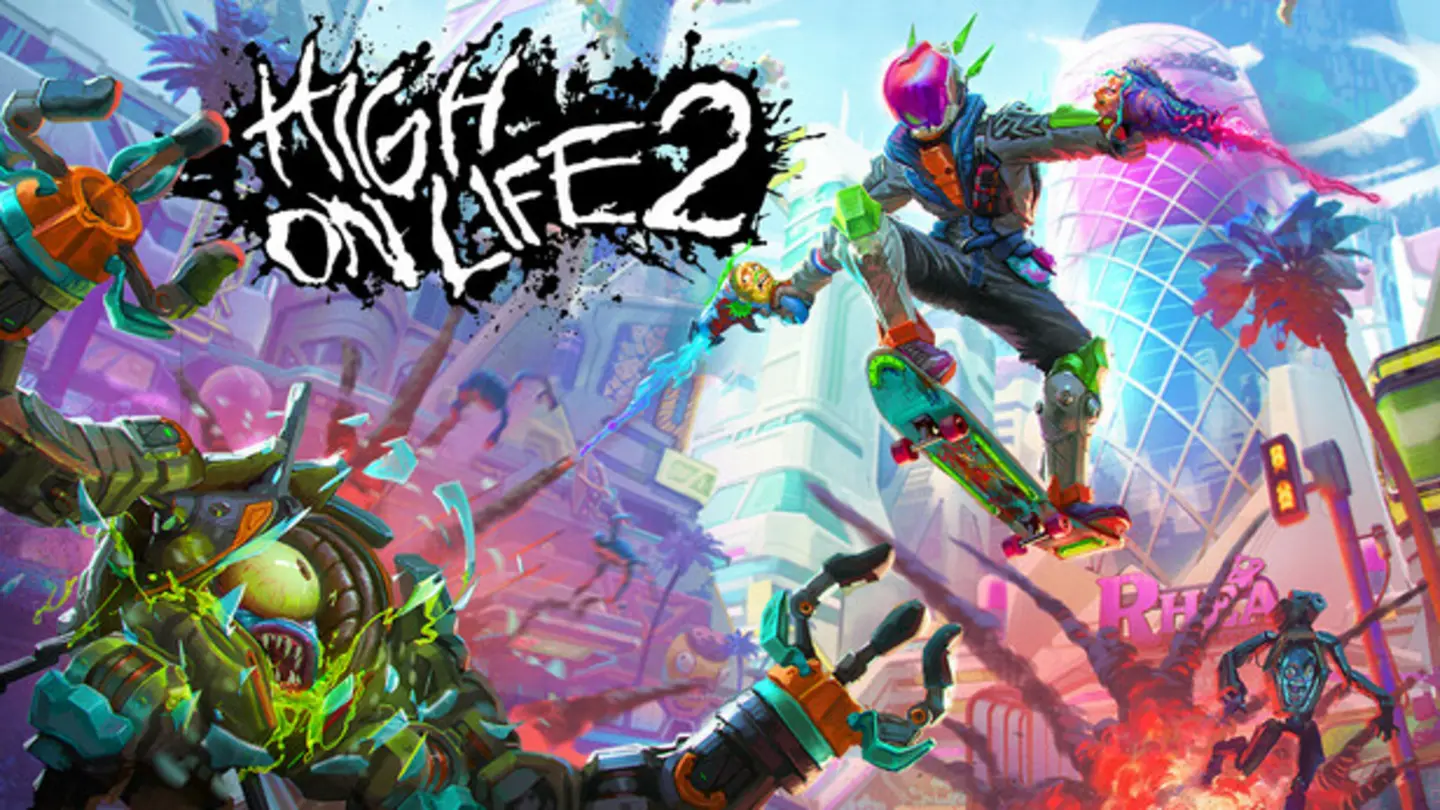
Release schedule and studio vision
The sequel, titled “High On Life 2,” is slated for a launch window that promises a tighter schedule compared with its predecessor’s extended development cycle. After the initial debut of the original title in late 2022, Dangerous Monsters announced a planned 2024 release for the follow‑up. Internal testing phases have confirmed that the game’s core mechanics are in place, with a fully playable build scheduled for early beta in the second quarter of 2024. Studio co‑founder Dan Martens has repeatedly emphasised that the sequel will retain the free‑spirited, psychedelic aesthetic that defined the first adventure, while sharpening narrative depth and expanding world size. The company’s roadmap shows a three‑month polishing sprint ahead of the target release date, leaving a narrow window for public testing but a clear expectation of high polish.
Playtime estimates and game design
Industry analysts have projected that the sequel will offer a comparable playtime to the original’s approximately 10‑hour core campaign, though side quests and hidden areas are expected to extend the experience by an additional 3 to 4 hours. The game’s design leans heavily on platform‑ing challenges interwoven with narrative puzzles, a formula that encourages multiple runs to uncover all secrets. Early playtests suggest that the average completion time lies between 12 and 14 hours, factoring in optional collectibles and the time needed to explore each psychedelic level fully. This duration aligns with the growing consumer appetite for concise yet replayable indie titles, a market segment that Dangerous Monsters has successfully carved out since the first release.
Technical upgrades and platform rollout
The sequel will launch on PC via Steam, Epic Games Store, and the Microsoft Store, with a cross‑platform release on PlayStation 5 and Xbox Series X|S slated for later in 2024. The engine upgrade from Unity 2020 to Unity 2022 promises smoother frame rates, a reduction of load‑time spikes, and enhanced visual fidelity through ray‑traced lighting. Early builds show stable 60‑frame‑per‑second performance on the current generation consoles, while the PC version reaches 144 FPS in windowed mode when paired with appropriate hardware. Multiplayer elements, hinted at in developer diaries, remain limited to local couch‑co‑op for now, preserving the solitary, meditative experience that made the original a cult favourite.
Player expectations and market impact
Player anticipation focuses on whether “High On Life 2” can capture the emotional resonance of its predecessor while introducing new mechanics. Studio co‑founder Dan Martens has highlighted a feedback‑loop system that integrates psychedelic visual glitches with real‑time character upgrades, allowing avatars to evolve mid‑run. In a recent interview with The Economic Times he said, “We aim to give fans a reason to revisit the world, not just to finish the story.” Such sentiment aligns with community demands for a balance between linear progression and emergent exploration. Market analysts note that the game’s concise length, coupled with robust post‑launch support, may attract time‑constrained gamers seeking immersive experiences. If sales reach 500,000 copies, the sequel would solidify Dangerous Monsters as a mid‑size developer capable of delivering high‑profile releases on major consoles, reinforcing trends favouring bite‑size, replayable content.
Image Source: Google | Image Credit: Respective Owner