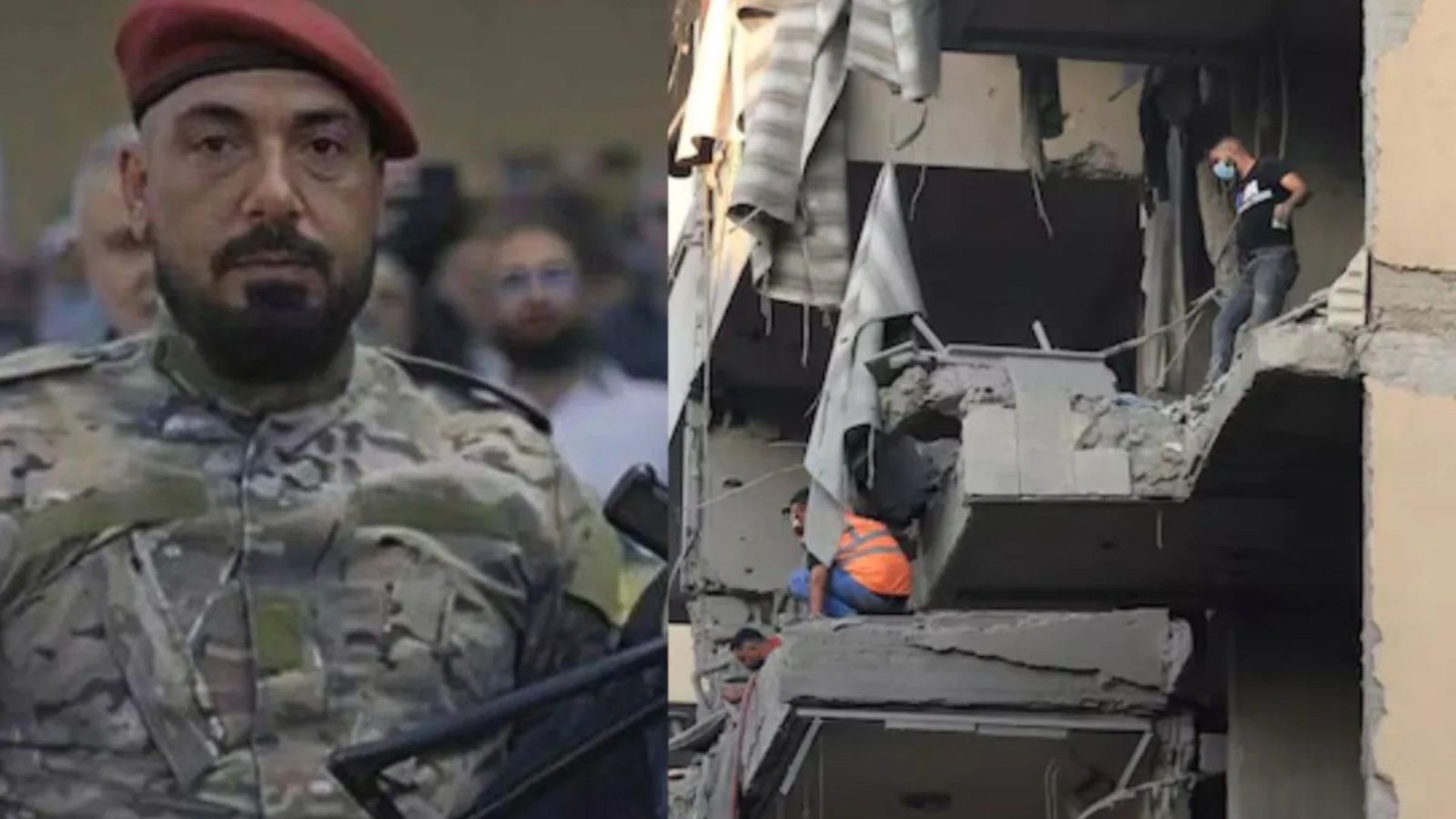
A high-ranking Hezbollah commander, Haytham Ali Tabatabai, has reportedly been killed in a strike in Beirut, Lebanon. Initial reports attribute the strike to Israel, though official confirmation from either side is pending. Tabatabai held the position of chief-of-staff within Hezbollah’s ranks, making him a significant figure in the organization’s military structure. The reported assassination marks a potential escalation of tensions in the region, already strained by ongoing conflicts and geopolitical complexities.
The Targeted Strike
The details surrounding the strike remain unclear, with varying accounts emerging from different sources. Some reports indicate that the attack was carried out via an airstrike, while others suggest a more targeted operation involving a precision missile. The location of the strike within Beirut is also subject to conflicting information, though most sources point to an area known to be a Hezbollah stronghold. The timing of the incident is particularly sensitive, given the current climate of heightened alert and frequent cross-border exchanges between Hezbollah and Israeli forces.
Haytham Ali Tabatabai’s role as chief-of-staff placed him at the heart of Hezbollah’s military planning and operations. He was believed to be deeply involved in the group’s strategic decision-making processes, and his elimination could significantly impact Hezbollah’s operational capabilities. His death comes amidst a period of increased scrutiny and pressure on Hezbollah, both domestically and internationally. The group has faced growing criticism for its involvement in regional conflicts and its alleged support for various militant groups.
Regional Implications
The killing of such a senior Hezbollah figure is likely to trigger a strong response from the organization. Hezbollah has a history of retaliating against perceived acts of aggression, and the death of Tabatabai could prompt a wave of retaliatory actions. This could manifest in the form of increased rocket attacks on Israel, or through other forms of asymmetric warfare. The potential for escalation is further heightened by the involvement of other regional actors, such as Iran, which is a key ally of Hezbollah. The incident could also exacerbate existing tensions within Lebanon, where Hezbollah wields significant political and military influence. The delicate balance of power in the country could be further disrupted, leading to increased instability and potential civil unrest.
The international community is closely monitoring the situation, with calls for restraint and de-escalation coming from various quarters. However, the complex web of alliances and rivalries in the region makes it difficult to achieve a lasting resolution. The killing of Haytham Ali Tabatabai serves as a stark reminder of the fragility of peace in the Middle East and the ever-present risk of a wider conflict. The coming days and weeks will be crucial in determining whether this incident triggers a full-blown escalation or remains a contained episode in the ongoing struggle for power and influence in the region.
Image Source: Google | Image Credit: Respective Owner