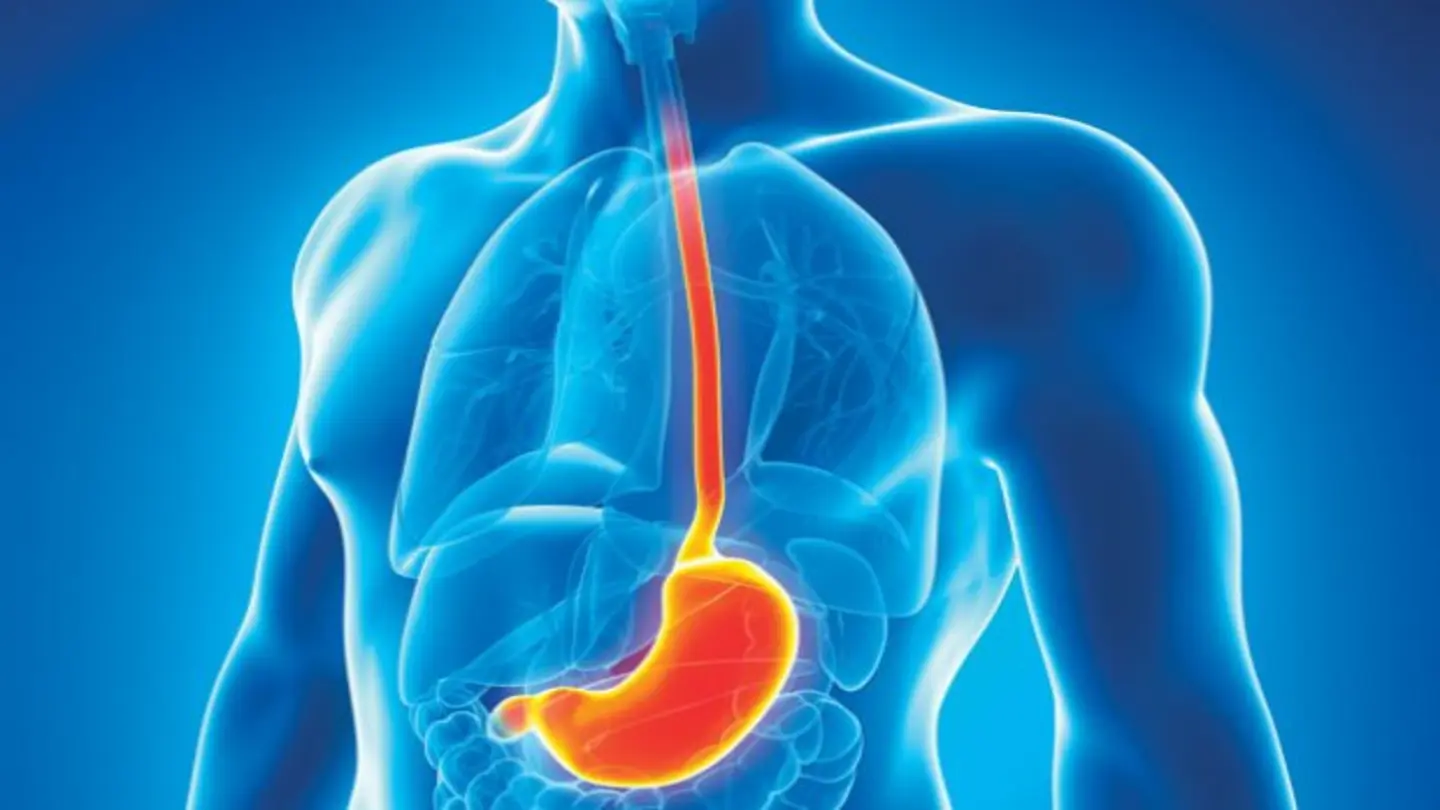
Frequent heartburn, often dismissed as a minor discomfort, could be an early warning sign of esophageal cancer, a disease increasingly prevalent in the United States. According to medical experts, the rising incidence of this cancer necessitates heightened awareness and proactive screening, particularly among individuals experiencing persistent acid reflux. Esophageal cancer, which affects the tube connecting the throat to the stomach, often presents with subtle symptoms in its initial stages, making early detection challenging but crucial for effective treatment.
Understanding Esophageal Cancer
Esophageal cancer develops when cells in the esophagus undergo abnormal changes and grow uncontrollably, forming a tumor. The two main types are adenocarcinoma, often linked to chronic acid reflux and Barrett’s esophagus (a precancerous condition), and squamous cell carcinoma, associated with smoking and excessive alcohol consumption. While the exact causes of esophageal cancer are not fully understood, several risk factors have been identified, including age, gender (men are more susceptible), obesity, and a diet low in fruits and vegetables.
The symptoms of esophageal cancer can vary depending on the location and size of the tumor. Common indicators include difficulty swallowing (dysphagia), chest pain, weight loss, hoarseness, chronic cough, and vomiting. However, these symptoms may also be indicative of other, less serious conditions, emphasizing the importance of seeking medical evaluation for persistent or worsening symptoms.
The Link Between Heartburn and Esophageal Cancer
Chronic heartburn, or gastroesophageal reflux disease (GERD), is a significant risk factor for adenocarcinoma of the esophagus. When stomach acid repeatedly flows back into the esophagus, it can damage the lining, leading to Barrett’s esophagus. While not all individuals with Barrett’s esophagus will develop cancer, it significantly increases the risk. Therefore, managing heartburn through lifestyle modifications, medications, and regular monitoring is essential for preventing the progression to cancer.
Prevention and Early Detection
Preventing esophageal cancer involves addressing modifiable risk factors. Lifestyle changes, such as maintaining a healthy weight, quitting smoking, limiting alcohol consumption, and adopting a balanced diet, can significantly reduce the risk. Individuals with chronic heartburn should consult with their doctor about appropriate management strategies, including medications like proton pump inhibitors (PPIs) to reduce acid production. Regular endoscopic screening may be recommended for those with Barrett’s esophagus to detect any precancerous changes early on. Early detection through screening allows for timely intervention and potentially curative treatment options, such as surgery, chemotherapy, and radiation therapy. As the incidence of esophageal cancer continues to rise, public awareness campaigns and educational initiatives are crucial to promote early diagnosis and improve patient outcomes.
Image Source: Google | Image Credit: Respective Owner