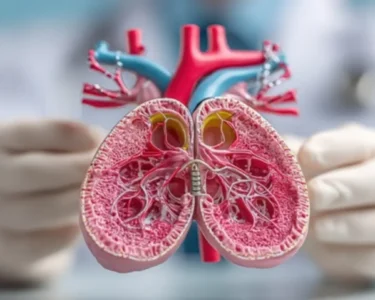
A growing body of research shows that high blood pressure, once considered a disease of middle‑aged adults, is increasingly affecting teenagers and young adults across the United States. Data from the Centers for Disease Control and Prevention indicate that roughly one in ten adolescents now meets criteria for hypertension, a figure that has risen sharply over the past decade. The uptick coincides with rising rates of obesity, high‑salt diets, and sedentary lifestyles, prompting a coalition of clinicians and public‑health specialists at UW Medicine to draft a comprehensive response.
Underlying Causes Identified
The UW Medicine team points to three primary drivers of the surge. First, excess body weight places added strain on the cardiovascular system, amplifying peripheral resistance and reducing arterial elasticity. Second, the modern diet—packed with processed foods, sugary beverages, and ultra‑processed snacks—delivers sodium levels far above the American Heart Association’s 2,300‑milligram recommendation for most adolescents. Third, limited physical activity, exacerbated by screen time and reduced participation in school‑based sports, prevents the body from maintaining healthy vascular tone. Each factor interacts synergistically, making early detection and intervention critical.
Screening Recommendations
To catch hypertension before it progresses, the experts advocate for universal blood‑pressure screening starting at age three during routine pediatric visits, with follow‑up assessments at every subsequent checkup until adulthood. They stress the importance of using validated cuff sizes and allowing the child to rest for five minutes before measurement. The panel also recommends incorporating home monitoring for children identified as at‑risk, using digital devices that can sync data with electronic health records. This dual‑track approach not only improves accuracy but also empowers families to track trends over time.
Lifestyle Interventions
Dietary changes sit at the core of the proposed plan. The DASH (Dietary Approaches to Stop Hypertension) diet, which emphasizes fruits, vegetables, whole grains, lean proteins, and low‑fat dairy, is highlighted as an evidence‑based blueprint. Schools are urged to revise lunch programs, reducing sodium by at least 30 % and replacing sugary drinks with water or milk. Community initiatives—such as after‑school sports clubs and active‑play workshops—should be expanded to encourage daily moderate‑to‑vigorous activity. The experts note that even 60 minutes of play can offset many of the metabolic risks associated with prolonged sitting.
Technology and Telehealth
Emerging wearable devices capable of continuous blood‑pressure monitoring are seen as a promising adjunct, especially for adolescents who may feel uncomfortable visiting clinics repeatedly. UW Medicine researchers suggest integrating these devices with smartphone apps that provide instant feedback, reminders for medication adherence (if prescribed), and alerts when readings exceed safe thresholds. Telehealth platforms can facilitate virtual follow‑ups, allowing clinicians to review trends without requiring in‑person visits, thereby easing access for rural families and those facing transportation barriers.
Policy and Education
The report calls for state and federal policy updates, including stricter labeling requirements for packaged foods marketed to children and incentives for beverage manufacturers to lower sugar and sodium content. School curricula should embed basic cardiovascular health lessons, teaching students how blood pressure works and why lifestyle choices matter. Partnerships with community health organizations can amplify outreach, delivering workshops to parents on reading nutrition labels and preparing heart‑healthy meals at home.
Addressing Disparities
Disparities in hypertension prevalence persist among low‑income and minority youth, largely due to limited access to fresh foods and safe exercise spaces. The UW Medicine panel recommends targeted grant programs that fund mobile health clinics in underserved neighborhoods, providing free screenings, counseling, and blood‑pressure monitors. Culturally competent outreach, including bilingual materials and community ambassadors, can improve engagement and trust, ensuring that all adolescents receive the preventive care they need.
Taken together, the outlined steps form a layered strategy that emphasizes early detection, personalized lifestyle coaching, technological support, and equitable policy reforms. Implementing these measures, the experts argue, could reverse the upward trajectory of youth hypertension and lay the groundwork for healthier adult populations in the coming decades.
Image Source: Google | Image Credit: Respective Owner