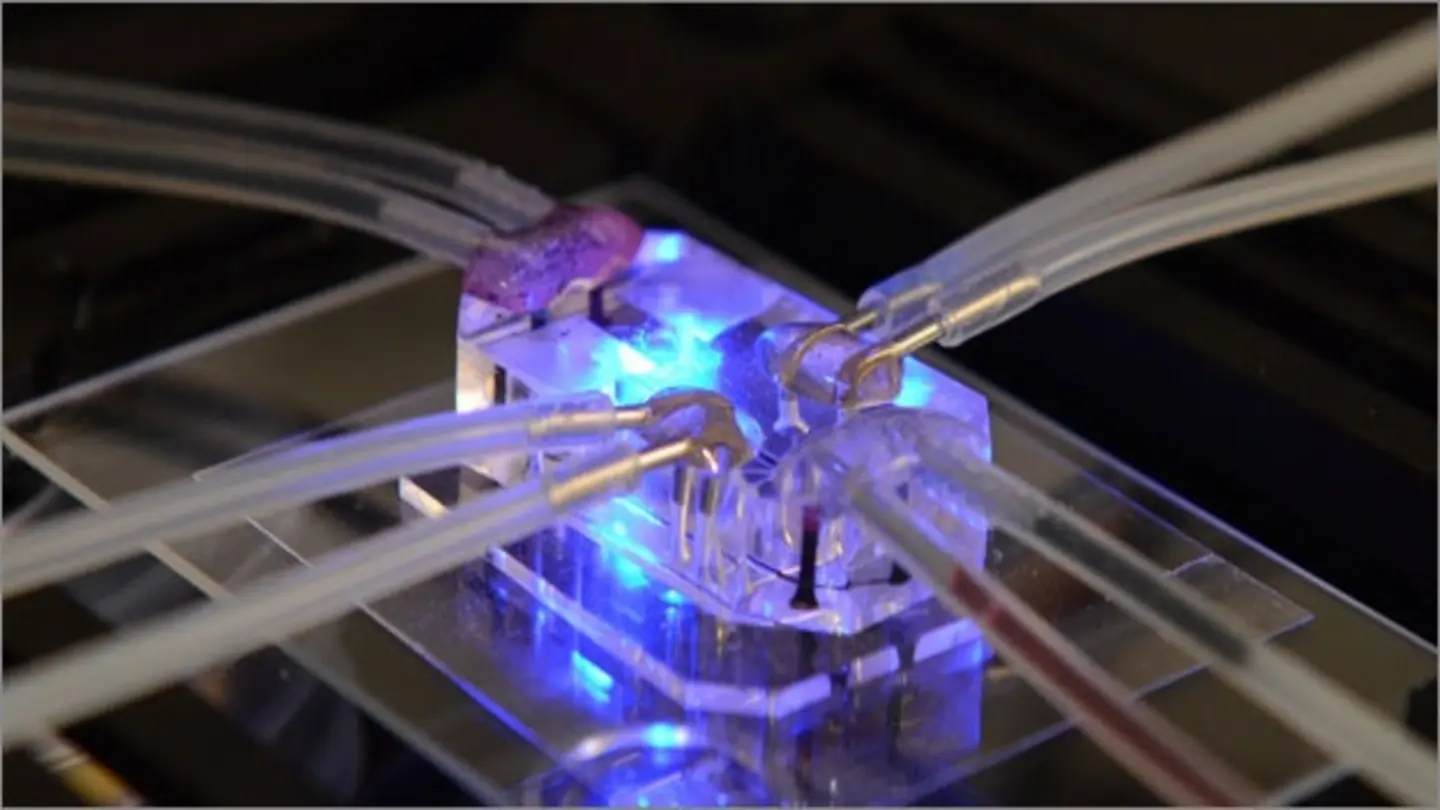
The Wyss Institute at Harvard University has received funding from Wellcome Leap to develop the first Human Organ Chip model for heavy menstrual bleeding, also known as menorrhagia. This innovative project aims to revolutionize the understanding and treatment of a condition that affects millions of women worldwide.
Menorrhagia can significantly impact a woman’s quality of life, leading to anemia, fatigue, and emotional distress. Current treatments often involve hormonal therapies or invasive procedures like hysterectomy. The lack of a comprehensive understanding of the underlying mechanisms driving heavy menstrual bleeding has hindered the development of more targeted and effective therapies.
The Human Organ Chip Approach
The Wyss Institute’s approach leverages its expertise in creating microphysiological systems, or Organ Chips. These chips are designed to mimic the structure and function of human organs, providing a platform for studying diseases and testing potential treatments in a controlled environment. The Human Organ Chip for heavy menstrual bleeding will replicate the complex interactions between the different cell types in the uterus, including the endometrium, myometrium, and immune cells. This will allow researchers to investigate the mechanisms that contribute to excessive bleeding.
“This project represents a significant step forward in our efforts to understand and treat heavy menstrual bleeding,” said Dr. Jennifer Wyss, lead investigator of the project. “By creating a Human Organ Chip that accurately reflects the complexity of the uterus, we can identify novel therapeutic targets and develop more effective and personalized treatments for women suffering from this condition.”
The research team will utilize advanced microfabrication techniques to create the Organ Chip, incorporating microfluidic channels to deliver nutrients and remove waste products. They will also integrate sensors to monitor key parameters, such as hormone levels and inflammatory markers. The chip will be populated with human cells derived from patients with and without heavy menstrual bleeding, allowing for a direct comparison of the cellular and molecular processes involved.
Potential Impact and Future Directions
The development of the Human Organ Chip for heavy menstrual bleeding has the potential to transform the way this condition is studied and treated. By providing a more accurate and physiologically relevant model, the chip can accelerate the discovery of new drug targets and enable the development of personalized therapies tailored to individual patients. The project also aligns with the growing trend towards using human-relevant models in biomedical research, reducing the reliance on animal testing.
The Wyss Institute’s work is supported by Wellcome Leap, an organization that funds high-risk, high-reward projects with the potential to transform human health. The funding will enable the research team to develop and validate the Human Organ Chip, as well as to conduct preclinical studies to evaluate the efficacy of potential therapies. The ultimate goal is to translate the findings from the Organ Chip into clinical trials and, eventually, to bring new and effective treatments to women with heavy menstrual bleeding.
Image Source: Google | Image Credit: Respective Owner