Harvard Astrophysicist Avi Loeb Raises Concerns Over Methane Discovery
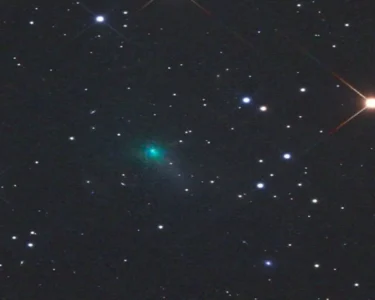
Cambridge, MA – Harvard University astrophysicist Avi Loeb has issued a statement highlighting a perplexing anomaly detected in data collected by the Hubble and James Webb Space Telescopes. Loeb, known for his research into various astronomical phenomena, including potential extraterrestrial intelligence, has identified unusual methane outgassing from a distant star system, specifically a binary star system designated as HD 164595.
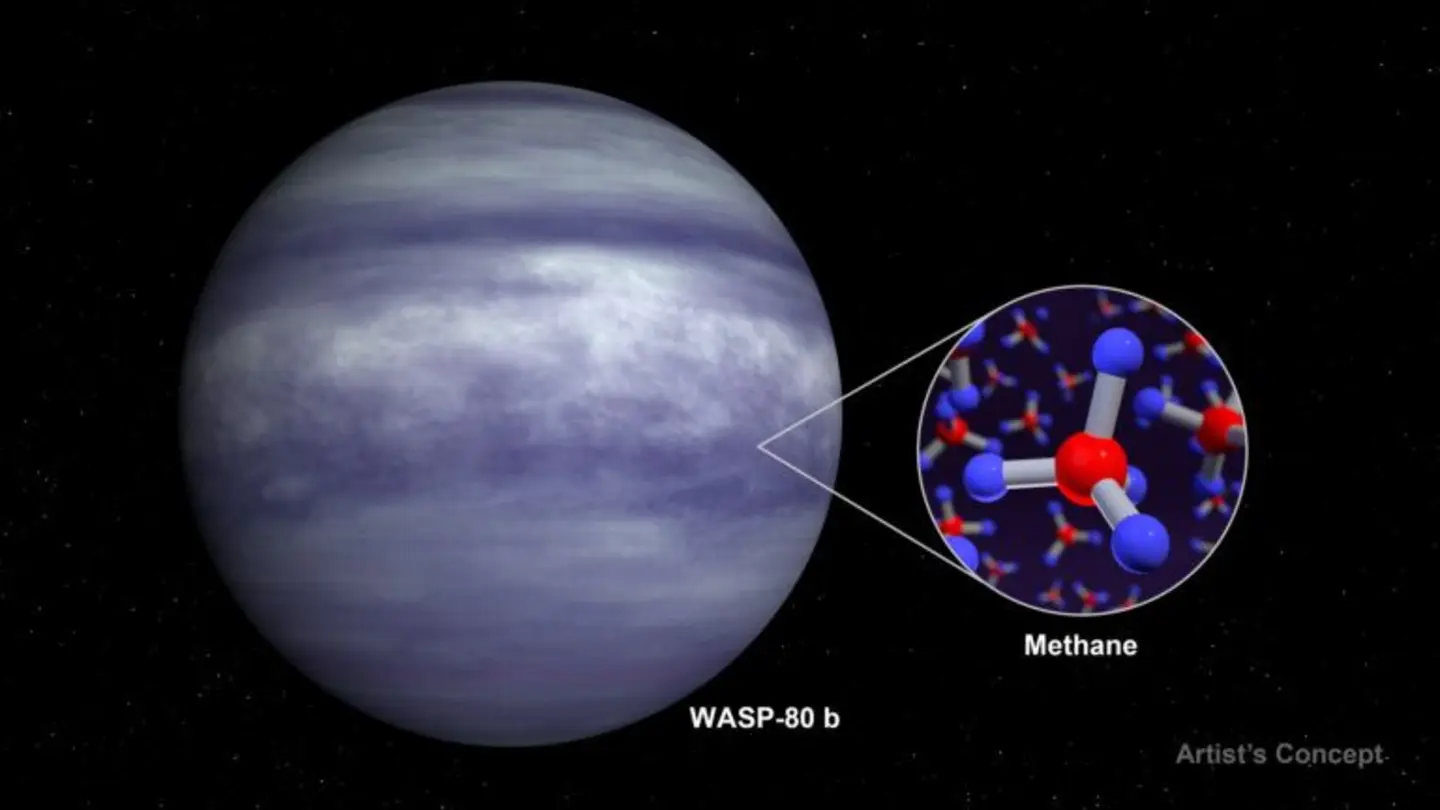
The findings, detailed in a recent communication, suggest a level of methane production that doesn’t align with current astrophysical models. While methane is a common molecule in space, typically produced through geological processes or stellar activity, the observed quantity and spectral signature are proving difficult to explain using established theories. Loeb’s team has been meticulously analyzing data from both telescopes, focusing on the light emitted by the binary system. The Webb telescope’s superior infrared capabilities have been particularly crucial in identifying subtle spectral lines indicative of methane.
“We’re seeing a significant excess of methane compared to what we’d expect from the known processes at play in this system,” Loeb explained in a press release. “This could indicate a previously unknown mechanism for methane production, or – and this is the more intriguing possibility – it could be a sign of something truly extraordinary.”
HD 164595 is a binary system consisting of a G-type star and a smaller, cooler red dwarf. The system is located approximately 330 light-years from Earth in the constellation Cisternus. The researchers are currently investigating various hypotheses, including the possibility of a subsurface ocean on one of the planets orbiting the red dwarf, which could be generating the methane. Another possibility is the presence of unusual chemical reactions occurring within the star itself.
Potential Implications and Future Research
The discovery has sparked considerable interest within the scientific community. Many researchers are eager to examine the data and contribute to the ongoing investigation. The unusual methane levels could provide valuable insights into the formation and evolution of planetary systems, particularly those around red dwarf stars, which are the most common type of star in the Milky Way galaxy. Further observations with both the Hubble and Webb telescopes, as well as potentially with other ground-based observatories, are planned to gather more data and refine the understanding of this intriguing phenomenon.
Loeb’s work underscores the importance of continued exploration and observation in the quest to unravel the mysteries of the universe. The detection of anomalous methane could represent a significant step forward in our understanding of planetary habitability and the potential for life beyond Earth. The team is particularly interested in determining the origin of the methane and whether it could be indicative of biological activity, although they caution that such a conclusion would require substantial further evidence.
The research is ongoing, and the scientific community awaits further data and analysis with anticipation.
Image Source: Google | Image Credit: Respective Owner