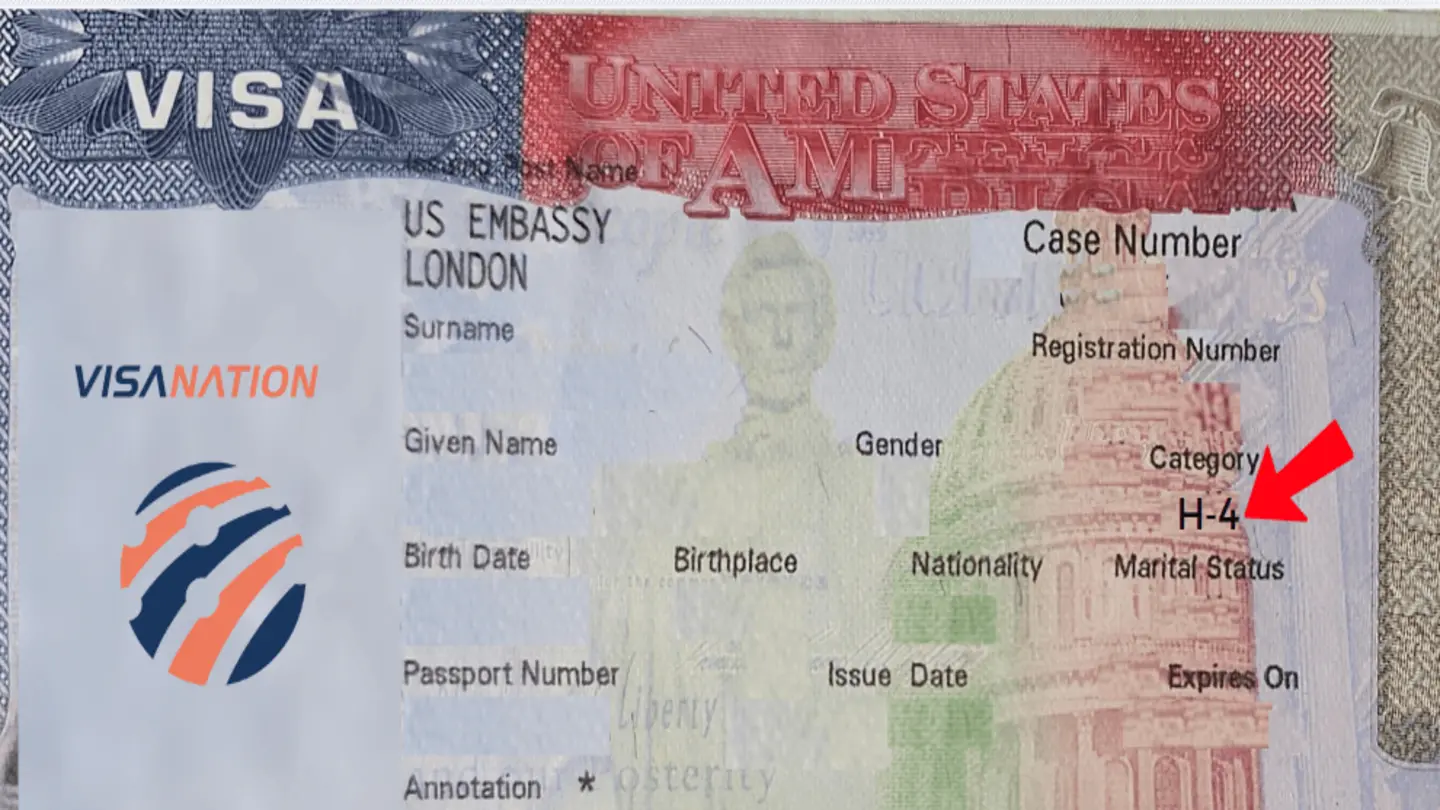
Visa approvals have slowed sharply for many H-1B holders and their H-4 dependents, leaving workers and families in limbo about returning to the United States. Immigration attorneys report intensified scrutiny and prolonged processing at U.S. consulates, with some cases taking months instead of weeks. This has disrupted travel plans, separated families, and created career uncertainty for workers employed by U.S. companies.
Industry observers note rising requests for evidence and detailed compliance checks, increasing the documentation burden on applicants. Legal experts advise applicants to submit meticulous paperwork, maintain clear records of travel history and employment, and prepare for follow-up questions during interviews. Building extra time into timelines and having backup plans for travel and housing is recommended.
Workers are being counseled to avoid last-minute trips and to consult experienced immigration counsel if they receive notices, requests for evidence, or delays beyond normal processing windows. Families with H-4 dependents are urged to align applications and travel together where possible to reduce the risk of separation. Employers should also ensure that petitions and supporting documents are complete and up to date.
For those already abroad when delays occur, coordinating with employers and legal counsel is critical to minimize employment disruptions and maintain status. Some families have resorted to staggered travel, but this can be costly and stressful. Longer-term solutions require coordination between employers, legal teams, and, in some cases, congressional outreach to request case inquiries.
Communication with the National Visa Center and consular posts can be difficult due to high inquiry volumes. Applicants should use official channels, keep copies of all submissions, and follow up systematically. Where delays exceed posted processing times, a formal inquiry or congressional casework can sometimes clarify the status and restore movement.
Despite the hurdles, legal advisers emphasize that most cases eventually resolve if documentation is sound and the applicant remains patient and responsive to requests. For those still waiting, the best path is to prepare thoroughly, anticipate scrutiny, and plan conservatively on timing.
Image Source: Google | Image Credit: Respective Owner