The gut microbiome, a complex ecosystem of bacteria, fungi, viruses, and other microorganisms, plays a vital role in overall health. An imbalance in this ecosystem, often referred to as gut dysbiosis, can manifest in various ways, including through skin conditions. Recognizing these skin-related signs can be crucial for addressing the underlying gut issues. Here are five common skin manifestations of gut imbalance:
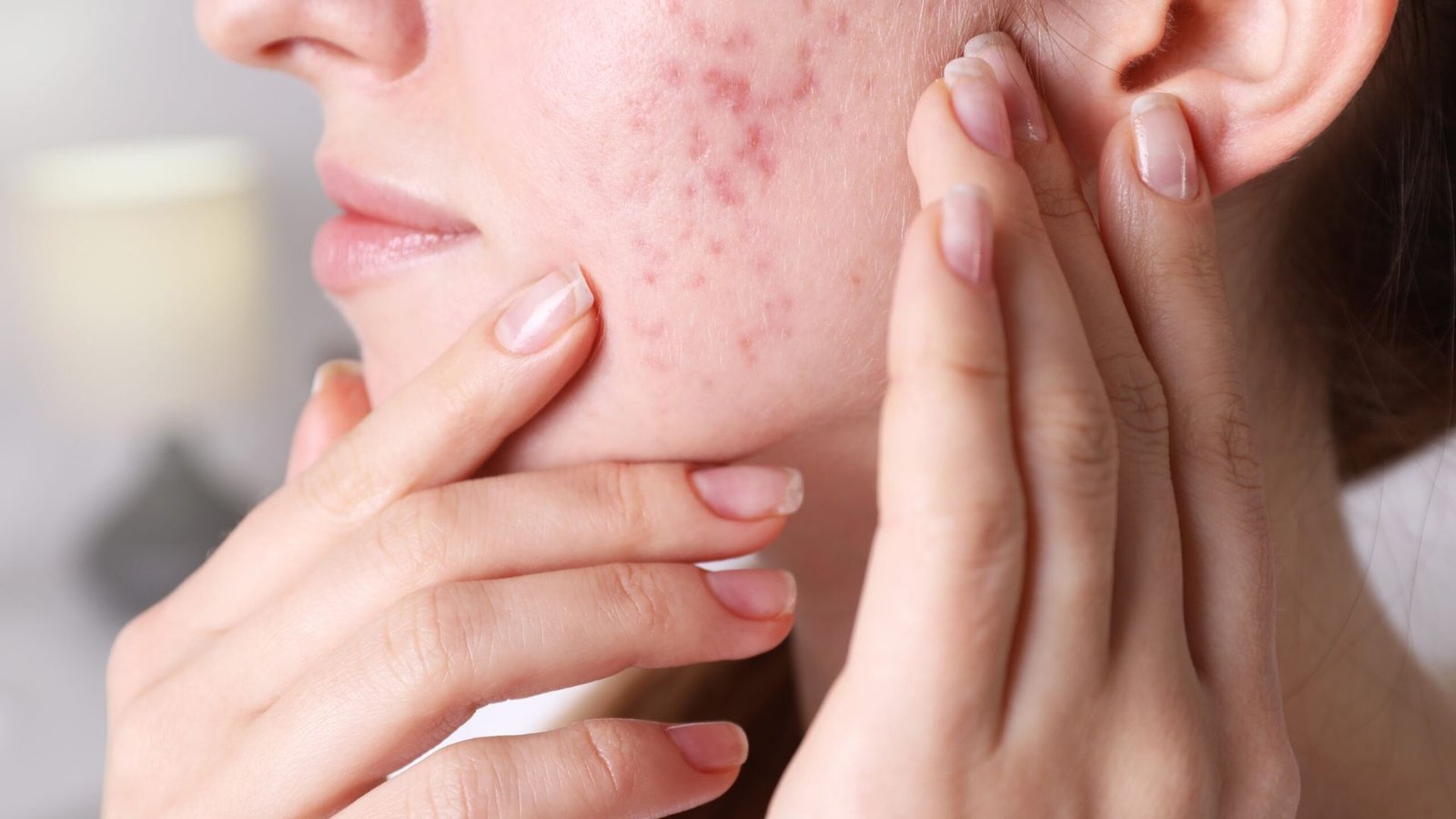
1. Acne
Acne is a prevalent skin condition often linked to gut health. An imbalanced gut can lead to increased inflammation throughout the body, including the skin. This inflammation can trigger the overproduction of sebum, an oily substance that can clog pores and contribute to acne breakouts. Furthermore, gut dysbiosis can disrupt the balance of hormones, such as androgens, which are known to stimulate sebum production. Research has shown a connection between gut bacteria and the severity of acne, suggesting that improving gut health may alleviate acne symptoms.
2. Eczema
Eczema, also known as atopic dermatitis, is another skin condition often associated with gut health. Studies have indicated that individuals with eczema have altered gut microbiomes compared to those without the condition. Gut dysbiosis can compromise the gut barrier, leading to increased permeability, often referred to as “leaky gut.” This allows toxins and undigested food particles to enter the bloodstream, triggering an immune response that can manifest as inflammation on the skin. Probiotics, which promote a healthy gut microbiome, have shown promise in reducing eczema symptoms.
3. Rosacea
Rosacea, a chronic skin condition characterized by redness, flushing, and small, pus-filled bumps, has also been linked to gut health. Some studies have found a higher prevalence of small intestinal bacterial overgrowth (SIBO) in individuals with rosacea. SIBO occurs when there is an excessive amount of bacteria in the small intestine, which can lead to inflammation and disrupt nutrient absorption. This inflammation can contribute to the development or exacerbation of rosacea symptoms. Addressing SIBO through diet and targeted therapies may improve rosacea.
4. Psoriasis
Psoriasis, an autoimmune condition causing red, scaly patches on the skin, has also been connected to gut health. Gut dysbiosis can trigger an immune response that contributes to the inflammation seen in psoriasis. Some studies suggest that individuals with psoriasis have altered gut microbiomes and increased gut permeability. Modifying the gut microbiome through diet and lifestyle changes may help manage psoriasis symptoms. Consuming anti-inflammatory foods and avoiding processed foods can improve gut health and potentially reduce psoriasis flares.
5. Hives
Hives, also known as urticaria, are itchy, raised welts on the skin that can appear as a result of an allergic reaction or other triggers. In some cases, chronic hives may be linked to gut health. Gut dysbiosis can lead to increased gut permeability, allowing allergens and toxins to enter the bloodstream and trigger an immune response that results in hives. Identifying and addressing any underlying gut issues, such as food sensitivities or imbalances in the gut microbiome, may help reduce the frequency and severity of hives.
In conclusion, various skin conditions can be indicative of an underlying gut imbalance. Addressing gut health through diet, lifestyle changes, and targeted therapies may improve these skin conditions and promote overall well-being. Consulting with a healthcare professional is recommended to determine the best course of action for your specific needs.
Image Source: Google | Image Credit: Respective Owner