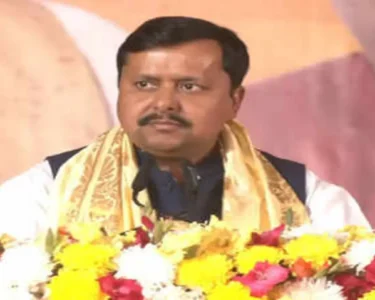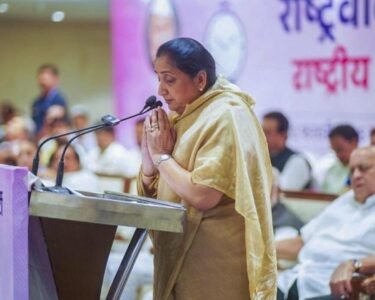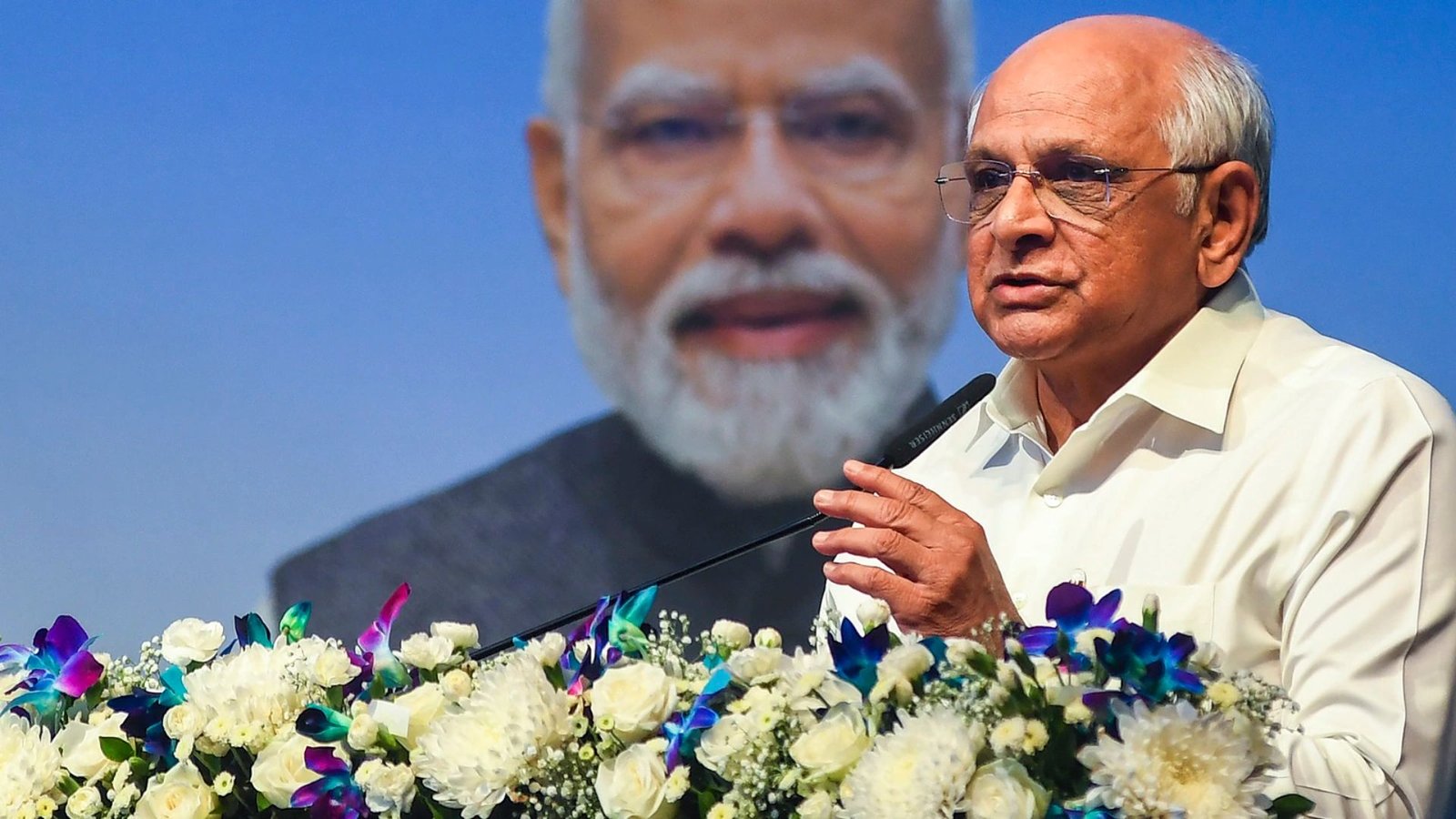
In a surprising turn of events, the entire cabinet of the Gujarat government has resigned ahead of upcoming local elections. This move, seen as a strategic maneuver by the Bharatiya Janata Party (BJP), has sparked considerable debate and speculation regarding its underlying motives and potential impact on the political landscape.
Unexpected Resignation
The mass resignation, while officially framed as a means to provide an opportunity for new faces and perspectives within the government, has been interpreted by many as a pre-emptive measure to mitigate potential anti-incumbency sentiment. Gujarat, a stronghold of the BJP, is gearing up for crucial local body polls, and the party appears keen on ensuring a favorable outcome. Political analysts suggest that the resignation allows the BJP to reshuffle its leadership and present a fresh image to the electorate.
The move echoes a similar strategy employed by the BJP in the past, albeit with a distinctive twist. While cabinet reshuffles are not uncommon, the complete resignation of the entire council of ministers is relatively rare, particularly in a state where the ruling party enjoys a comfortable majority. This bold step underscores the BJP’s determination to maintain its dominance in Gujarat and signals a proactive approach to address any potential challenges to its electoral prospects.
Possible Motivations
Several factors may have contributed to the BJP’s decision. Firstly, local elections often serve as a barometer of public opinion and can influence the outcome of subsequent state and national elections. The BJP, therefore, is likely aiming to secure a resounding victory in these polls to reinforce its position and boost the morale of its cadres. Secondly, the resignation allows the party to address any internal discontent or performance issues within the cabinet without resorting to piecemeal changes that could be perceived as reactive or indecisive. By initiating a clean slate, the BJP can handpick individuals who are perceived as more capable, dedicated, and aligned with the party’s goals.
Potential Impact
The implications of this move are far-reaching. The newly formed cabinet will be under intense scrutiny as it navigates the challenges of governance and prepares for the upcoming elections. The BJP hopes that the reshuffle will inject fresh energy and ideas into the government, leading to improved service delivery and enhanced public satisfaction. However, the transition period may also present some challenges, as the new ministers familiarize themselves with their portfolios and establish their priorities. The opposition parties are expected to seize this opportunity to criticize the BJP’s governance record and highlight any perceived shortcomings in the new cabinet. How the BJP manages this transition will be crucial in determining its success in the local polls and beyond. The situation warrants close observation as Gujarat’s political chessboard witnesses this strategic play unfold.
Image Source: Google | Image Credit: Respective Owner