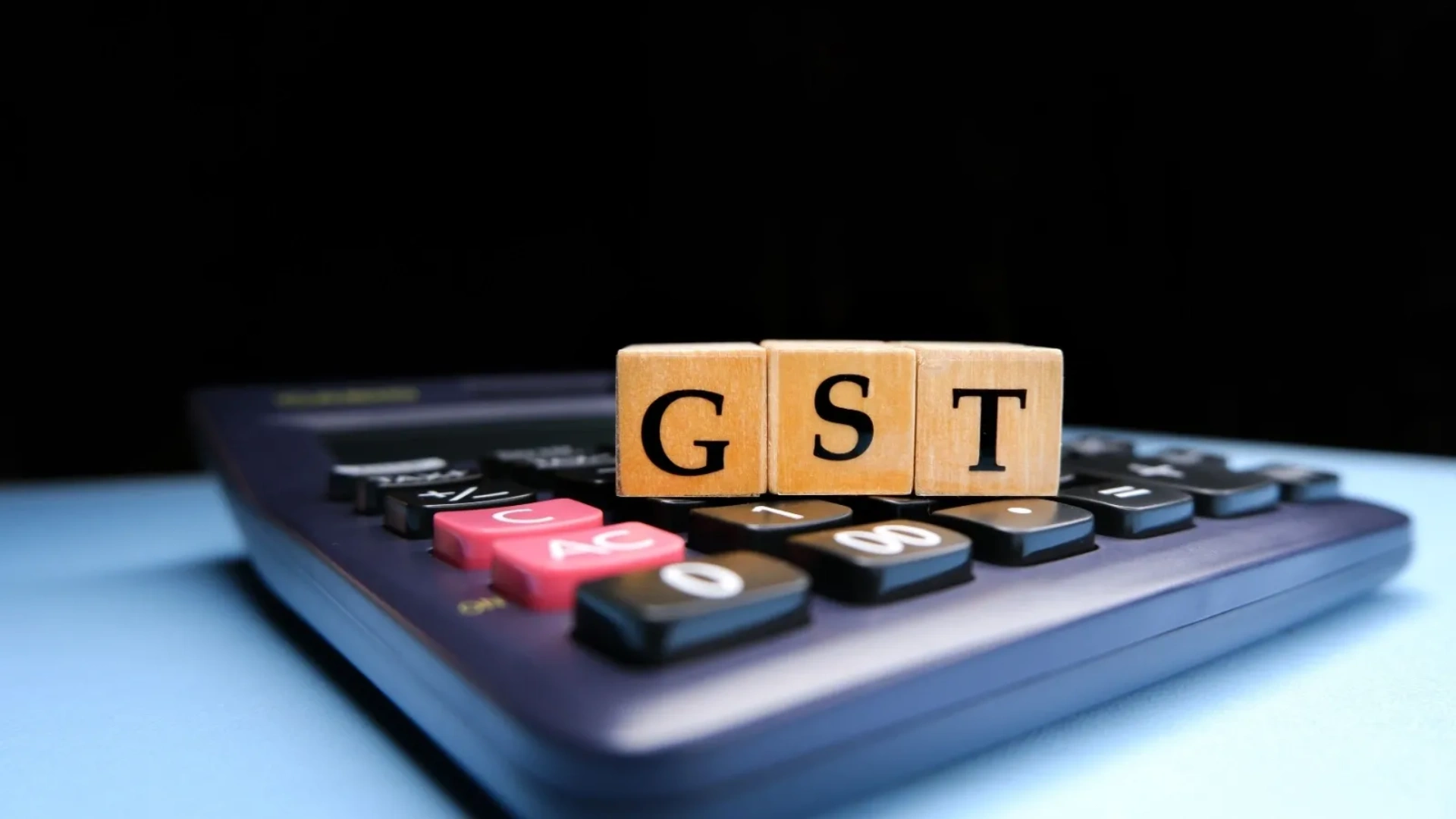
The Goods and Services Tax (GST) Council, chaired by Union Finance Minister Nirmala Sitharaman, is set to meet today to consider major tax reforms that could reduce prices of everyday essentials and simplify the existing system.
Key Proposals on the Table
- Two-Slab Structure: The council is expected to replace the current four-slab system (5%, 12%, 18%, 28%) with just two rates—5% and 18%.
- Daily-Use Items: Most goods currently taxed at 12% may move down to the 5% slab, directly benefiting the middle class.
- Luxury & Sin Goods: A special 40% levy is being considered for tobacco products, luxury automobiles and a few other items. Only 5–7 goods are likely to fall under this category.
- Reduction from 28% Slab: About 90% of products currently taxed at 28% could shift to the 18% bracket.
Economic Impact
Officials estimate the rationalisation could reduce government revenues by nearly ₹50,000 crore. However, the Centre expects the loss to be offset by a surge in consumption, particularly among middle-class households.
A State Bank of India research report recently suggested that GST reforms, combined with income tax cuts, could lift consumption by over ₹5.3 lakh crore—about 1.6% of GDP.
Wider Context
The proposed overhaul comes at a time when India is seeking to cushion the impact of global trade pressures, including U.S. tariffs announced by President Donald Trump that affect $48 billion worth of Indian exports. The government hopes the reforms, along with strong Q1 GDP growth of 7.8%, will further boost India’s position as a fast-growing economy.
Political Opposition
Several opposition-ruled states, including Tamil Nadu, Punjab and West Bengal, have raised concerns over revenue losses. They are expected to push for additional duties on sin and luxury goods, with revenues shared among states as compensation.
The council’s decision will shape the next phase of India’s tax reform journey, aimed at structural simplification, rate rationalisation and improving ease of living.
Image Source: Google | Image Credit: Respective Owner