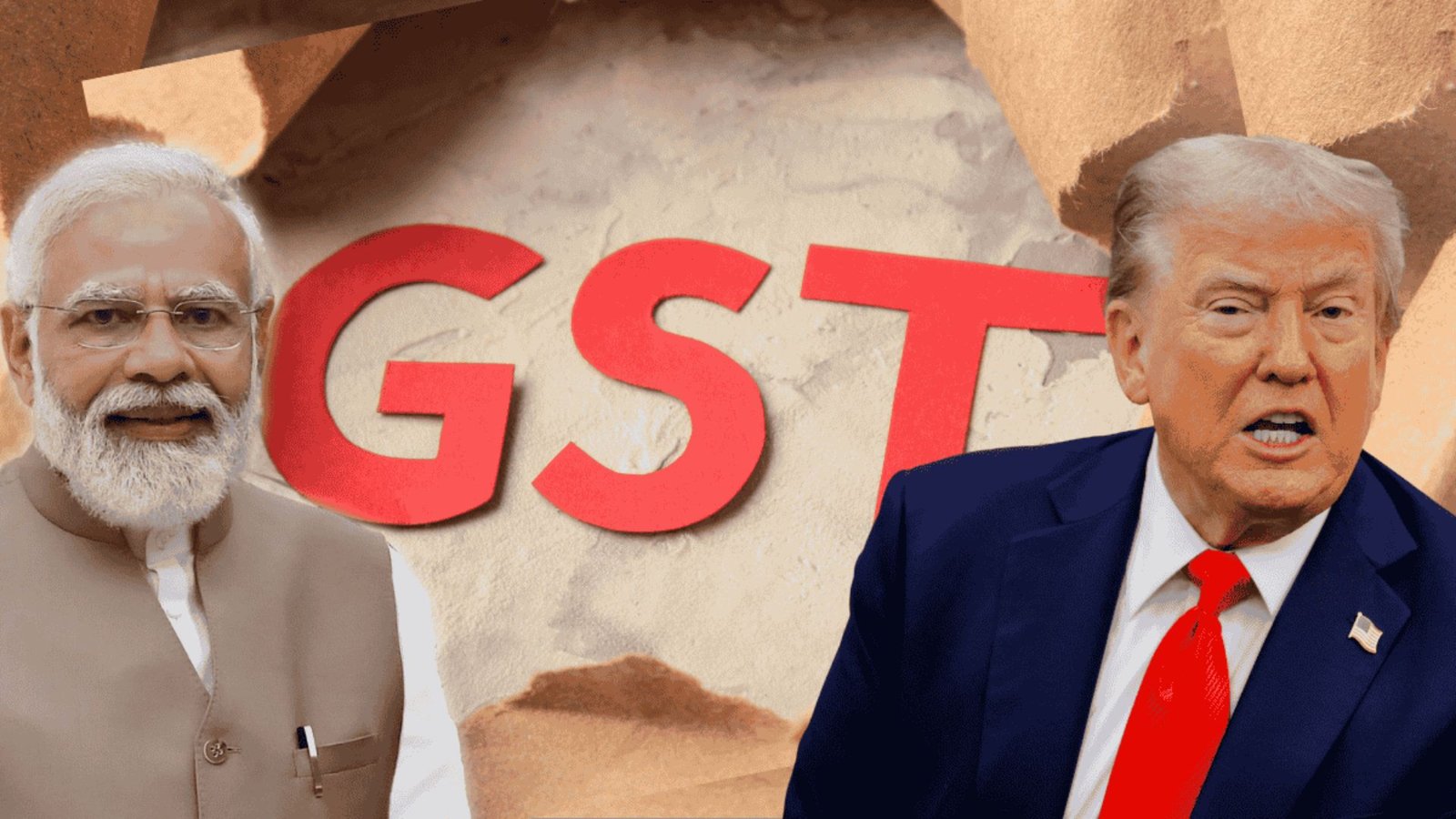
A new analysis suggests that the implementation of GST 2.0 provides India with a significant buffer against potential tariffs imposed by the United States under a second Trump administration. However, economists like Malhotra & co are cautioning against aggressive rate cuts, warning of a potential “overdose” effect that could destabilize the economy. The Reserve Bank of India’s Monetary Policy Committee (RBI MPC) is closely monitoring the situation.
The Shield of GST 2.0
The Goods and Services Tax (GST), especially in its evolved form often referred to as GST 2.0, has streamlined India’s indirect tax system, creating a more unified and efficient market. This has boosted domestic production and made Indian exports more competitive globally. The unified tax structure reduces cascading effects and compliance costs, thereby increasing the resilience of Indian businesses to external shocks like tariffs. The improved tax collection efficiency has also bolstered government revenues, providing fiscal space for targeted interventions if needed.
According to the analysis, the consolidated tax base makes it harder for external economies to levy tariffs as there’s a unified system within India. This means that even if tariffs are imposed on certain goods entering the U.S. market, Indian producers have the benefit of a well-integrated domestic market to fall back on. Furthermore, GST’s input tax credit mechanism assists in reducing the overall tax burden on exporters.
The Rate Cut Dilemma
Despite the protective benefits of GST, Malhotra & co warn that further aggressive rate cuts could pose risks. While lower GST rates can stimulate consumption and boost economic growth in the short term, they can also lead to revenue shortfalls for the government and potentially fuel inflation if not managed carefully. The economists are particularly concerned about the possibility of an “overdose,” where excessive rate reductions erode the tax base and undermine fiscal stability. They emphasize the importance of a balanced approach that considers both growth and sustainability.
The RBI MPC is reportedly factoring these concerns into its monetary policy deliberations. The committee is already grappling with the challenge of balancing the need to support economic recovery with the need to control inflation. Aggressive GST rate cuts could complicate this task by adding to inflationary pressures and creating uncertainty about future tax revenues. The MPC may, therefore, adopt a cautious stance, preferring to maintain a stable policy rate while closely monitoring the evolving economic situation.
Looking Ahead
The interplay between GST, potential U.S. tariffs, and the RBI’s monetary policy highlights the complex challenges facing the Indian economy. While GST 2.0 offers a degree of protection against external shocks, policymakers must remain vigilant and avoid the temptation to pursue overly aggressive rate cuts that could undermine fiscal stability. A measured approach that balances growth, stability, and revenue sustainability is essential to navigate these uncertain times. The MPC’s future decisions will be crucial in determining India’s economic trajectory.
The overall strategy should focus on boosting export competitiveness through infrastructure development and trade facilitation, alongside prudent fiscal management.
Image Source: Google | Image Credit: Respective Owner