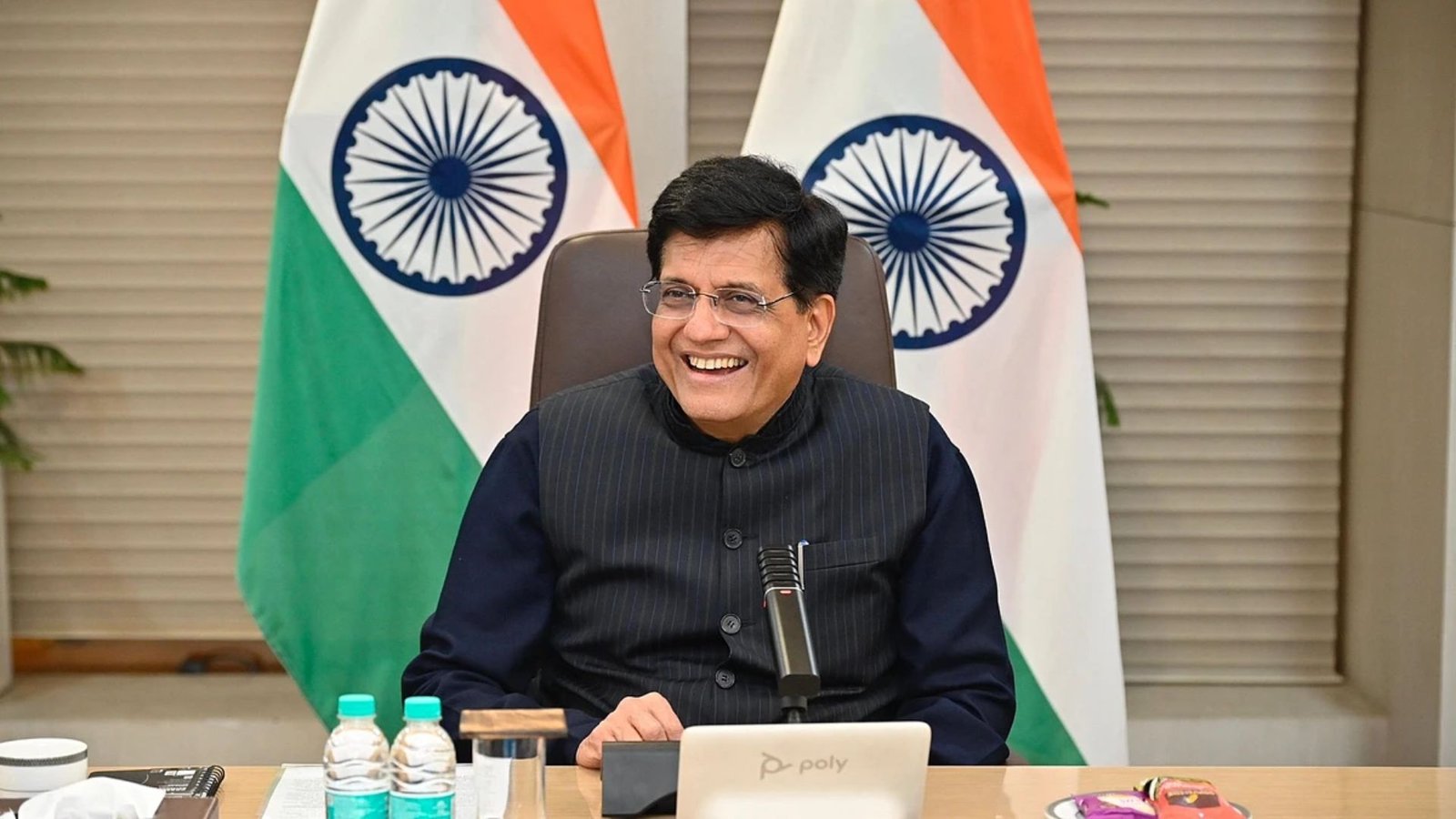
Minister Nitin Goyal emphasized the necessity for swift finalization of the India-US trade agreement, stating that the United States should proceed to sign the deal if terms are acceptable. Speaking at a recent press conference, Goyal underscored the mutual benefits of concluding negotiations promptly, highlighting ongoing discussions that have persisted since early 2023. The minister’s remarks reflect a growing urgency to resolve longstanding trade disparities amid shifting global economic dynamics.
The negotiations, centered on narrowing trade imbalances, have encountered significant challenges on both sides. The US has persistently pressed India to reduce tariffs on agricultural and manufactured goods, particularly dairy, electronics, and machinery. India, meanwhile, seeks greater market access for its exports, including pharmaceuticals, textiles, and services, while demanding fair pricing for agricultural commodities. These demands have created a complex landscape requiring delicate compromise from both nations.
Among the primary issues is the US demand for improved market access for American agricultural products. India maintains protective tariffs to support its farmers, a stance that has drawn frustration from Washington. Additionally, technology transfer and intellectual property protections remain contentious points, with the US seeking clearer guidelines for Indian firms operating in the US market. These sticking points have repeatedly stalled progress, necessitating extensive diplomatic engagement.
Goyal’s assertive stance signals a strategic shift in India’s approach. “If the US is satisfied with the terms we’ve proposed, there’s no reason to delay signing,” he declared. Analysts suggest that a swift agreement could bolster bilateral economic ties amid global market volatility, offering both nations strategic advantages in the Indo-Pacific region. Such a pact could enhance trade flows worth billions of dollars annually, fostering growth in key industries like automotive, renewable energy, and digital services.
Economists, however, caution that lingering disagreements on tariff structures could prolong negotiations. “The devil is in the details,” noted a trade expert at the Observer Research Foundation. “Without concessions on core sectors, reaching a comprehensive deal remains elusive.” The Ministry of Commerce reports that preliminary agreements have been reached on e-commerce regulations and investment protection, creating a foundation for broader discussions. These provisional accords address critical pain points for businesses operating across borders, particularly in digital trade and cross-border data flows.
Both countries have invested considerable diplomatic effort into these talks, viewing a successful outcome as a signal of strengthened partnership. The next round of negotiations is scheduled for late October, with officials expressing cautious optimism. Stakeholders on both sides anticipate that a finalized pact could stabilize supply chains and reduce dependency on third-party markets. Industry leaders emphasize the importance of transparent terms and predictable policies to facilitate long-term investment decisions.
Industry leaders welcome progress but urge greater clarity. “Transparency on market access and tariff reductions is essential for businesses planning long-term strategies,” said a spokesperson for the Federation of Indian Chambers of Commerce and Industry. The potential agreement is expected to set a precedent for future trade frameworks in the Indo-Pacific, influencing regional cooperation and economic integration. Analysts predict that a successful deal could also prompt similar negotiations with other major economies, reinforcing India’s position on the global stage.
The broader implications extend beyond bilateral trade. A finalized agreement may enhance India’s geopolitical standing, offering a counterbalance to China’s growing influence in the region. For the US, deepening economic ties with India aligns with strategic interests in securing reliable supply chains and technology partnerships. As both nations navigate domestic political pressures and industry lobbying, the path to a consensus remains fraught but potentially rewarding.
Image Source: Google | Image Credit: Respective Owner