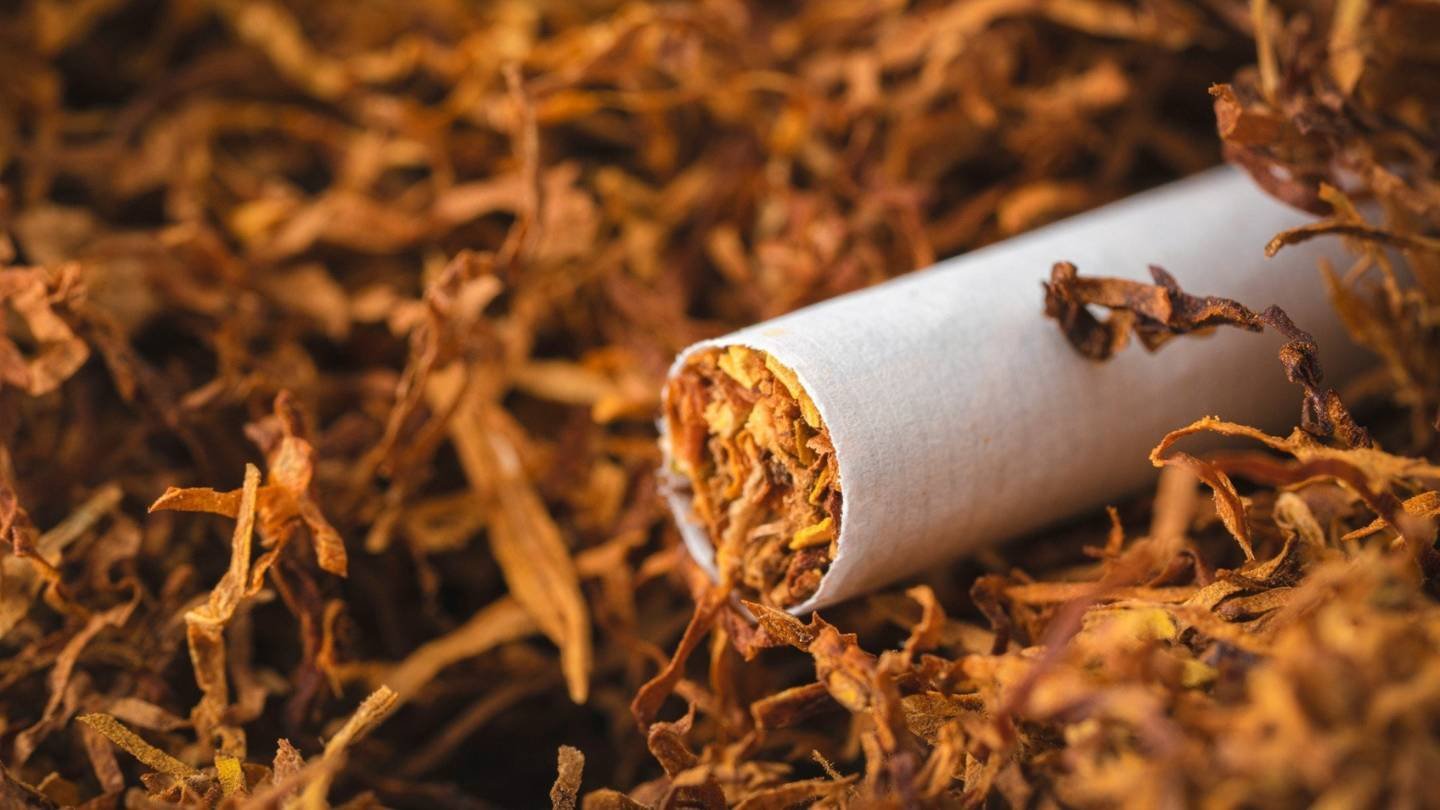
The central government is preparing to table legislation in Parliament’s winter session that could restructure taxation on tobacco and related products. The move is expected to replace the current GST compensation cess with a higher 40% GST rate on these items.
At present, tobacco products such as cigarettes, gutkha, pan masala, zarda, unmanufactured tobacco, and bidi attract a 28% GST plus compensation cess, along with additional central excise and national calamity duties — together amounting to roughly 53% indirect tax.
Cess to Stay Until Loan Repayments Complete
The compensation cess, originally meant to help states cover revenue shortfalls after the rollout of GST in 2017, will remain in force for at least three more months. Officials said the extension is necessary to complete repayment of loans taken to bridge earlier state losses.
“On tobacco, the GST part is settled at 40%, and we expect the compensation cess period to be over by this calendar year,” an official told Economic Times, adding that the government is weighing options for a replacement levy to ensure tax levels on tobacco remain high.
Timeline and Context
The GST Council, chaired by Union Finance Minister Nirmala Sitharaman, confirmed that the existing cess and rates will continue until the loans are fully settled. The government’s initial target was to end the cess by October 31, based on estimated collections of ₹10,000 crore per month.
However, with luxury cars, coal, and aerated drinks exiting the cess structure from September 22, overall monthly collections will decline, extending the repayment period.
The winter session of Parliament, usually held in late November or early December, is expected to take up the new bill.
What Changes for Consumers
Once the cess is phased out, tobacco products will directly fall under the 40% GST slab, streamlining the tax structure but keeping effective tax rates broadly similar. For consumers, this is likely to mean little relief on pricing, as the government intends to maintain high taxation levels on tobacco to discourage consumption while protecting revenues.
Image Source: Google | Image Credit: Respective Owner