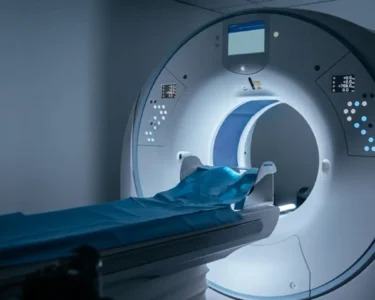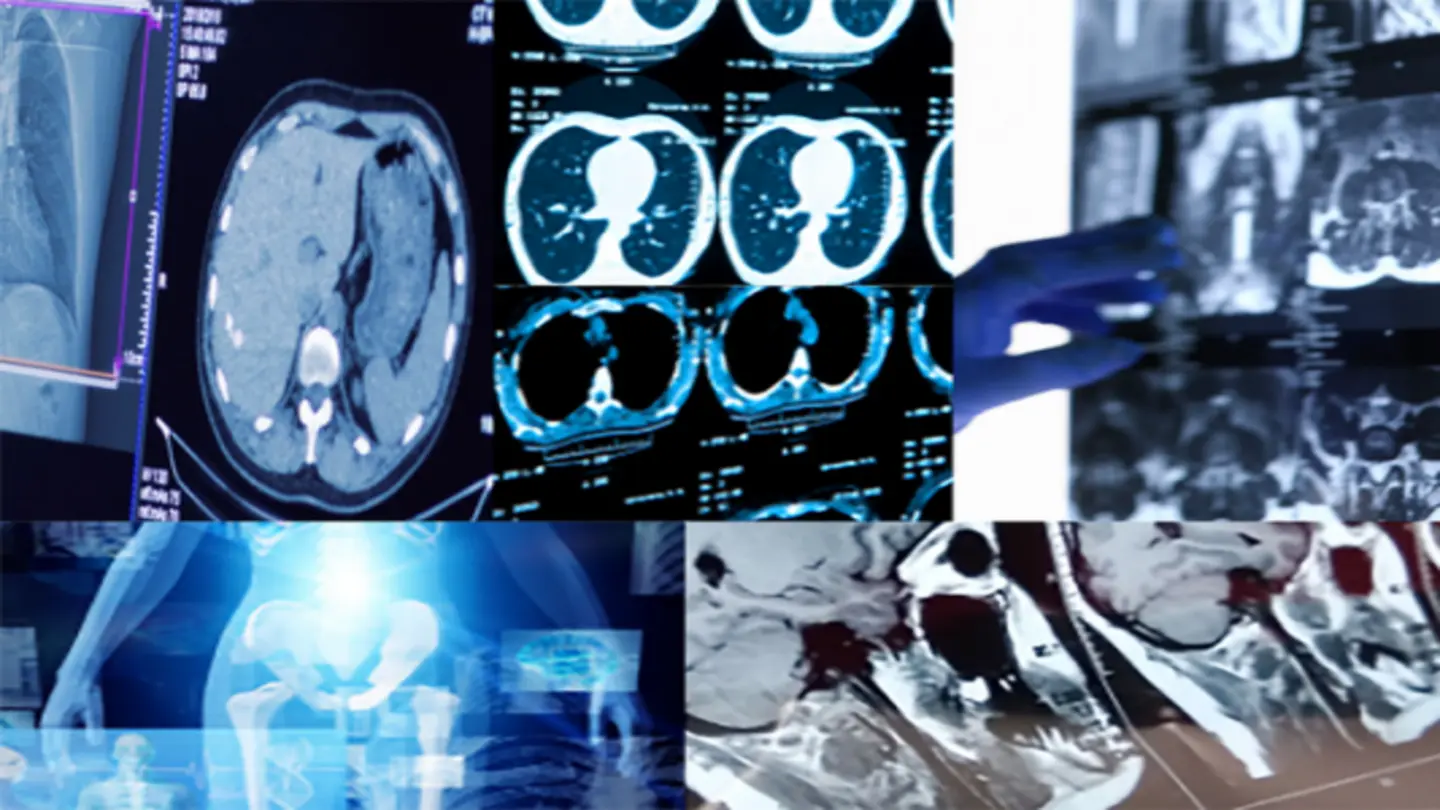
Google has released MedGemmma 1.5, a new iteration of its open-source medical AI model, significantly expanding its capabilities to include the analysis of 3D CT and MRI scans. This advancement marks a substantial step towards democratizing access to sophisticated medical image analysis tools, previously limited to specialized software and expertise.
The original MedGemmma, launched earlier this year, focused on answering questions about medical images. MedGemmma 1.5 builds upon this foundation by adding the ability to process and understand volumetric data – the three-dimensional representations generated by CT and MRI machines. This allows the model to provide more comprehensive and nuanced insights into a patient’s condition.
According to Google, the model has been trained on a large dataset of medical images and associated reports, enabling it to identify anatomical structures, detect anomalies, and generate detailed descriptions of the scans. The inclusion of 3D data processing is particularly crucial for applications like surgical planning, radiation therapy, and the diagnosis of complex diseases.
Key Improvements and Capabilities
The upgrade isn’t simply about handling more data types. Google highlights improvements in the model’s accuracy and efficiency. MedGemmma 1.5 demonstrates enhanced performance in tasks such as identifying and segmenting organs, detecting tumors, and assessing the severity of injuries. The model’s ability to reason about spatial relationships within the 3D scans is a key differentiator.
Being open-source, MedGemmma 1.5 is freely available for researchers, developers, and healthcare professionals to use, modify, and distribute. This fosters collaboration and accelerates innovation in the field of medical AI. Google encourages the community to contribute to the model’s development and tailor it to specific clinical needs.
The release includes pre-trained weights and tools for fine-tuning the model on custom datasets. This allows users to adapt MedGemmma 1.5 to their particular areas of interest, such as analyzing lung nodules or detecting brain hemorrhages. Google provides documentation and support resources to help users get started.
While MedGemmma 1.5 is a powerful tool, Google emphasizes that it is not intended to replace the judgment of qualified medical professionals. Instead, it is designed to augment their capabilities and provide them with additional information to make more informed decisions. The model’s outputs should always be reviewed and validated by a clinician.
The potential applications of MedGemmma 1.5 are vast. It could be used to automate routine image analysis tasks, freeing up radiologists to focus on more complex cases. It could also be deployed in resource-limited settings where access to specialized expertise is limited. Furthermore, the model could play a role in medical education and training.
Google’s commitment to open-source AI in healthcare is evident with MedGemmma 1.5. By making this technology accessible to a wider audience, they are empowering the medical community to develop innovative solutions that improve patient care. The company plans to continue investing in this area and releasing new versions of the model with even more advanced capabilities.
Image Source: Google | Image Credit: Respective Owner