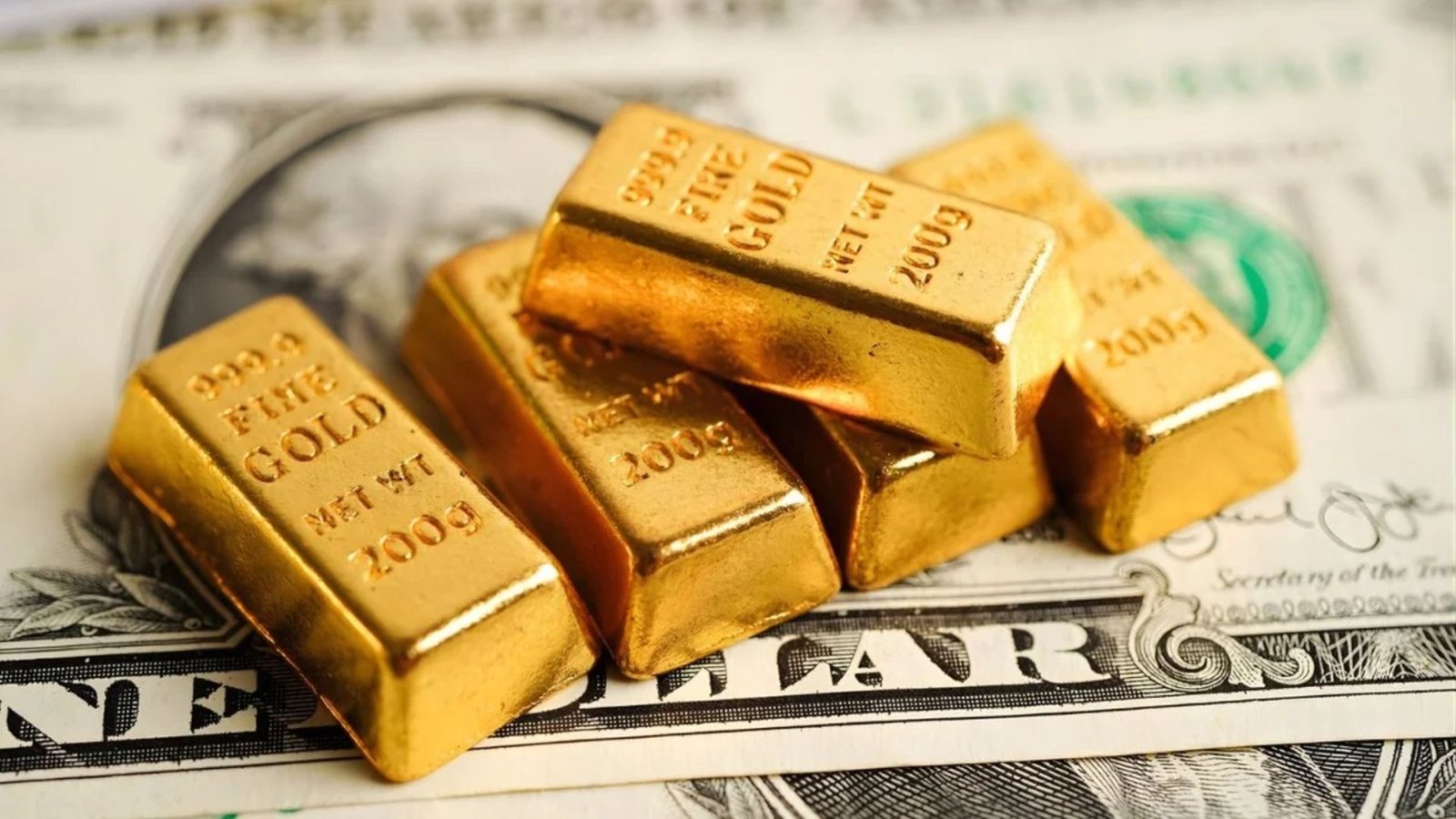
Gold prices continued their impressive ascent, breaking through the $5,200 per ounce barrier as the US dollar plummeted to its lowest level in four years. This surge in gold’s value reflects a complex interplay of economic factors, including weakening dollar sentiment, rising inflation expectations, and increasing geopolitical tensions. Investors are turning to gold as a traditional safe-haven asset, driving demand and pushing prices higher.
The dollar’s weakness is largely attributed to expectations that the Federal Reserve will maintain a dovish monetary policy, indicating a potential pause or even cuts to interest rates. Lower interest rates typically diminish the appeal of holding dollar-denominated assets, as the potential return decreases. This makes gold, which doesn’t offer a yield, more attractive in comparison. Recent economic data coming out of the US has shown signs of cooling, fueling speculation that the Fed may be nearing the end of its tightening cycle.
Investor Sentiment & Demand
Beyond monetary policy, anxieties surrounding global economic growth and escalating geopolitical risks are bolstering gold’s appeal. The ongoing conflicts in Ukraine and the Middle East create an environment of uncertainty, prompting investors to seek refuge in assets perceived as less risky. Demand is not solely coming from institutional investors; retail participation in the gold market is also notably increasing. This broad-based interest further amplifies the upward pressure on prices.
Analysts suggest that gold’s performance isn’t purely reactive to immediate events. Instead, it’s increasingly being viewed as a strategic asset to protect against long-term inflation and potential currency devaluations. The diversification benefits of having gold in a portfolio are also being highlighted, particularly amidst volatile stock markets. Furthermore, central banks worldwide have been accumulating gold reserves at a significant pace, indicating a growing preference for the metal as a store of value.
The latest rally is prompting some profit-taking among traders, which could lead to brief periods of consolidation. However, the underlying fundamentals remain supportive of higher prices. Many experts believe that gold has the potential to reach even greater heights in the coming months, potentially challenging previous all-time highs. Factors to carefully monitor include future inflation reports, central bank announcements, and any significant developments in global geopolitical hotspots. Maintaining a cautious yet optimistic outlook is crucial for investors in this dynamic market.
While the current price surge presents opportunities for some, it also raises concerns about affordability for potential buyers. A sustained high price may restrain demand from certain segments of the market, such as the jewelry industry. However, the overall trend suggests that gold is firmly establishing itself as a key asset in a tumultuous world economy, and its long-term prospects appear promising.
Looking ahead, the interplay between dollar strength, inflation rates, and geopolitical risks will continue to shape gold’s trajectory. The market is keenly awaiting next cues from the Federal Reserve and any escalations or de-escalations in international conflicts.
Image Source: Google | Image Credit: Respective Owner