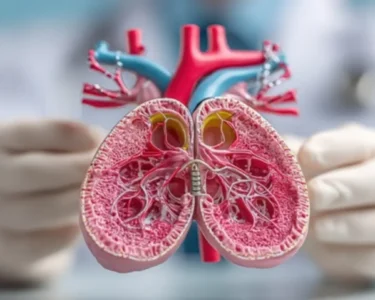
A recent study published by the European Medical Journal reveals that glucocorticoids can significantly reduce mortality rates in patients suffering from community-acquired pneumonia (CAP). This finding offers a promising avenue for improving treatment outcomes for a common and potentially life-threatening infection. CAP is a lung infection acquired outside of a hospital setting, affecting millions worldwide each year and leading to substantial morbidity and mortality.
The research, meticulously analyzed and presented in the journal, suggests that the anti-inflammatory properties of glucocorticoids play a crucial role in mitigating the severe inflammatory response associated with CAP. This hyper-inflammatory state can lead to acute respiratory distress syndrome (ARDS), organ damage, and ultimately, death. By modulating the immune system, glucocorticoids help to dampen this exaggerated response, preventing further lung injury and improving patient survival rates.
Mechanism of Action
Glucocorticoids, a class of corticosteroids, work by binding to glucocorticoid receptors present in nearly every cell in the body. This interaction influences gene expression, leading to decreased production of pro-inflammatory cytokines and chemokines. These substances are responsible for recruiting immune cells to the site of infection and perpetuating the inflammatory cascade. By suppressing their production, glucocorticoids reduce the influx of neutrophils and other immune cells into the lungs, minimizing collateral damage to lung tissue.
Furthermore, glucocorticoids enhance the resolution of inflammation by promoting the production of anti-inflammatory mediators. This helps to restore the balance between pro- and anti-inflammatory processes, facilitating tissue repair and preventing the development of chronic lung conditions. The study highlights the importance of timing and dosage when administering glucocorticoids for CAP. Optimal outcomes were observed when glucocorticoids were initiated early in the course of the infection and administered at moderate doses. High doses or delayed administration may not yield the same benefits and could potentially increase the risk of adverse effects.
The findings have important implications for clinical practice. While antibiotics remain the cornerstone of CAP treatment, the addition of glucocorticoids may offer a valuable adjunctive therapy, particularly for patients with severe disease or those at high risk of complications. However, the use of glucocorticoids is not without potential risks. Common side effects include hyperglycemia, increased susceptibility to infections, and psychiatric disturbances. Therefore, careful patient selection and monitoring are essential to minimize the risk of adverse events. Further research is needed to identify specific subgroups of patients who are most likely to benefit from glucocorticoid therapy and to optimize the treatment protocols. Randomized controlled trials are warranted to confirm the findings of this study and to establish clear guidelines for the use of glucocorticoids in CAP management.
This research underscores the evolving understanding of CAP pathogenesis and the importance of targeting the inflammatory response in addition to combating the underlying infection. Glucocorticoids represent a promising therapeutic tool for improving outcomes in patients with CAP, but their use should be carefully considered and individualized based on patient characteristics and disease severity.
Image Source: Google | Image Credit: Respective Owner