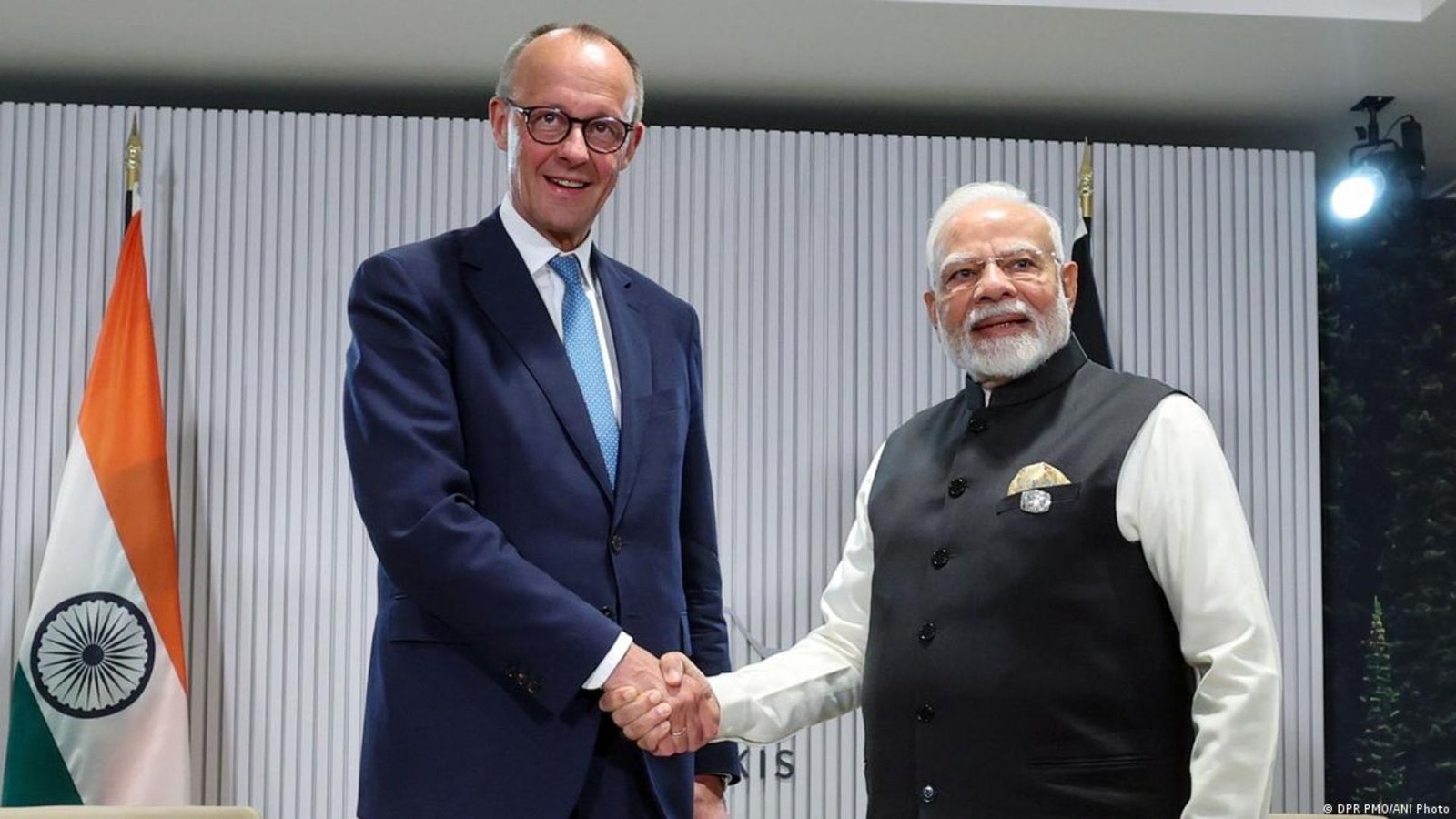
Germany and India share a growing desire for closer strategic ties, recognizing the shifting global landscape and the need for diversified partnerships. However, forging a truly robust relationship will be a complex undertaking, beset by a number of challenges stemming from differing priorities, bureaucratic hurdles, and a degree of historical baggage.
Recent high-level visits, including German Chancellor Olaf Scholz’s trip to India, signify a renewed commitment to strengthening bilateral cooperation. Both nations are keen to explore increased collaboration in areas like renewable energy, technology, defense, and trade. India, seeking to reduce its reliance on traditional partners and diversify its supply chains, views Germany as a crucial gateway to European markets and technological expertise. Germany, facing its own geopolitical challenges, sees India as a significant economic power and a potential counterweight to China.
Key Areas of Cooperation
One primary focus is on enhancing economic partnership. Germany is already a significant investor in India, and there’s potential for expanding this investment. The India-EU Free Trade Agreement, currently under negotiation, is seen as a vital catalyst for boosting trade volumes. Beyond traditional trade, opportunities exist in green technologies – a strong suit of Germany – and India’s rapidly expanding digital economy. Skill development initiatives, particularly in areas like manufacturing and engineering, are also being prioritized.
Defense cooperation, while nascent, is gaining momentum. Joint exercises and potential co-development of defense technologies are under consideration. India is looking to procure advanced defense equipment, and Germany is offering options to help modernize the Indian armed forces. However, German export regulations, often stricter than those of other arms-exporting nations, could present obstacles.
Despite the positive signals, several obstacles hinder deeper integration. A major challenge is the differing perspectives on intellectual property rights and regulatory frameworks. Indian bureaucracy and red tape are frequently cited by German businesses as impediments to investment. Germany’s stringent environmental standards and labor laws also create complexities when operating in India.
Furthermore, the war in Ukraine has highlighted divergences in foreign policy. While Germany firmly condemns Russian aggression and has imposed sanctions, India has maintained a more neutral stance, continuing to trade with Russia. This divergence, though understandable given India’s strategic considerations, creates friction and raises questions about alignment on key geopolitical issues.
Another subtle challenge arises from cultural and historical differences. Germany, rooted in a strong tradition of multilateralism, may find India’s more independent and non-aligned approach challenging. Overcoming these differences requires a sustained effort at diplomatic engagement and mutual understanding.
Ultimately, the success of the German-Indian partnership hinges on both sides demonstrating a willingness to compromise and address their respective concerns. It’s a partnership built on shared interests, but one that will demand patience, pragmatism, and a long-term strategic vision to navigate the complexities and deliver tangible results.
Image Source: Google | Image Credit: Respective Owner