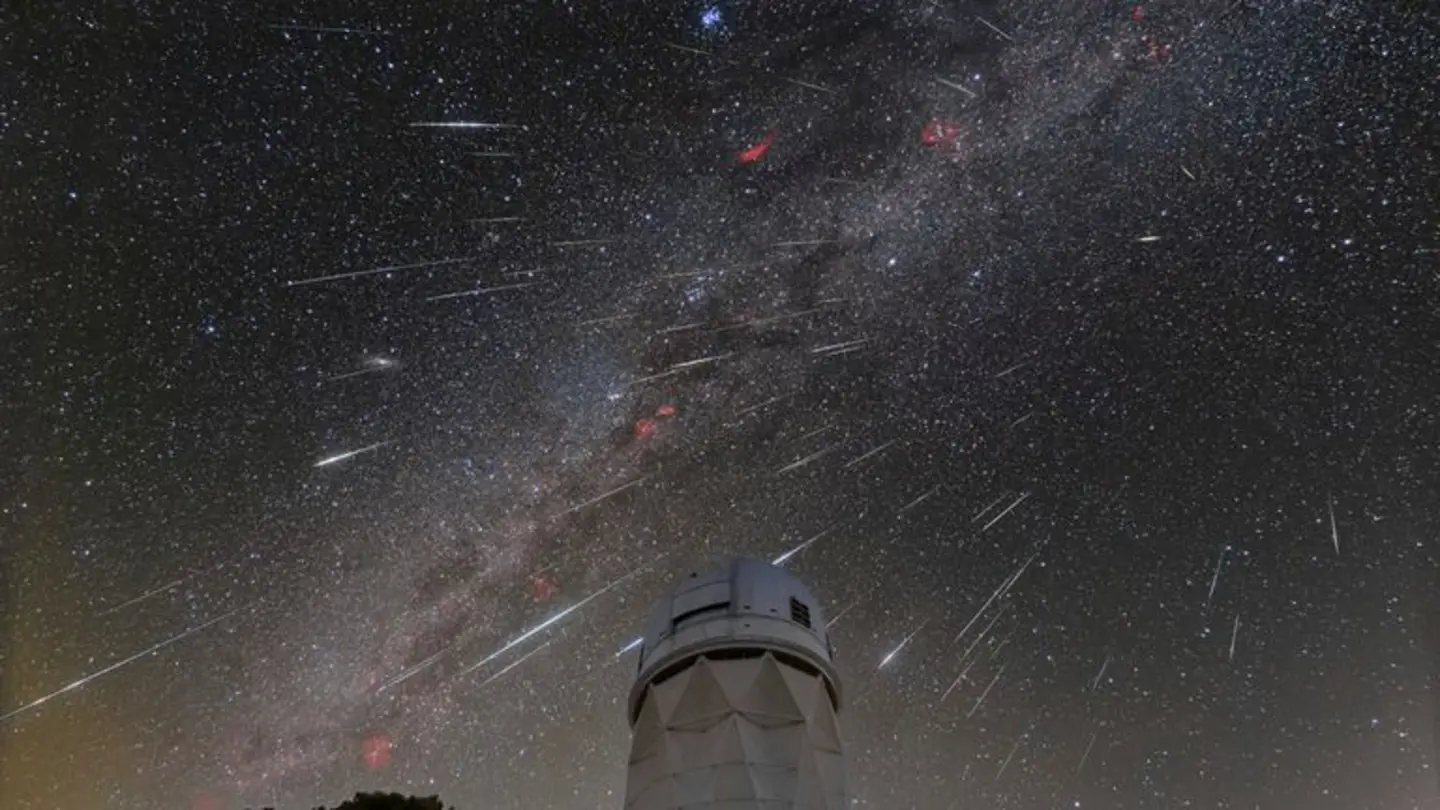
The Geminid meteor shower, one of the most spectacular celestial events of the year, will peak in mid-December, offering stargazers a dazzling display of shooting stars. Expected to reach its maximum between the nights of December 13 and 14, the Geminids are renowned for their bright, multicolored meteors and relatively high rates of activity.
Unlike many meteor showers that originate from comets, the Geminids derive from debris left by asteroid 3200 Phaethon. This unusual parent body, classified as a rocky rather than icy body, results in denser, faster meteors that often appear as vivid streaks of light. During the peak, observers under ideal conditions may witness up to 120 meteors per hour, though light pollution can reduce this number.
The Geminid shower is named after the Gemini constellation, from which the meteors appear to radiate. This radiant point will be positioned high in the night sky during the peak, making the display visible worldwide. However, the best viewing conditions will be found in regions with dark, clear skies and minimal moonlight. The waning gibbous moon will create some glare, slightly diminishing visibility.
For optimal viewing, experts recommend finding a location far from city lights, allowing the eyes to adjust to darkness for about 30 minutes. Lying on a comfortable surface and looking upwards, with no equipment necessary, will provide the best experience. Meteors can appear anywhere in the sky, though they will trace back to the Gemini radiant near the constellation’s twin brothers, Castor and Pollux.
The Geminid shower has been increasing in intensity over the past decade due to Earth passing through denser debris trails left by Phaethon. NASA and other astronomical institutions will monitor the event, providing live streaming options for those unable to view directly. Scientists also use the Geminids to study meteoroid composition and atmospheric entry dynamics, contributing to our understanding of asteroid materials.
Historical records of the Geminids first appeared in the 19th century, though the shower was faint until the 20th century when it grew more pronounced. Today, it is considered one of the most reliable and breathtaking meteor showers, often surpassing the Perseids in brightness and intensity during its peak.
Whether you are a seasoned astronomer or a casual observer, the Geminid meteor shower offers a memorable celestial spectacle. Mark your calendars for the nights of December 13 and 14, bundle up against the cold, and prepare for a sky filled with natural fireworks. Cameras and binoculars can capture the event, but the human eye remains the best tool for appreciating the sheer number and beauty of these fleeting streaks of light.
Image Source: Google | Image Credit: Respective Owner