A new study published in the European Medical Journal has revealed a concerning association between gastric bypass surgery and an increased risk of stomach cancer, particularly in the excluded stomach. This finding has significant implications for patients who have undergone this weight-loss procedure.
Gastric bypass, a common bariatric surgery, involves altering the digestive system to promote weight loss. While effective for many, it can lead to complications, and this latest research highlights a potential long-term risk. The study analyzed data from a large cohort of patients who had undergone gastric bypass and followed them over several years.
The Excluded Stomach and Cancer Risk
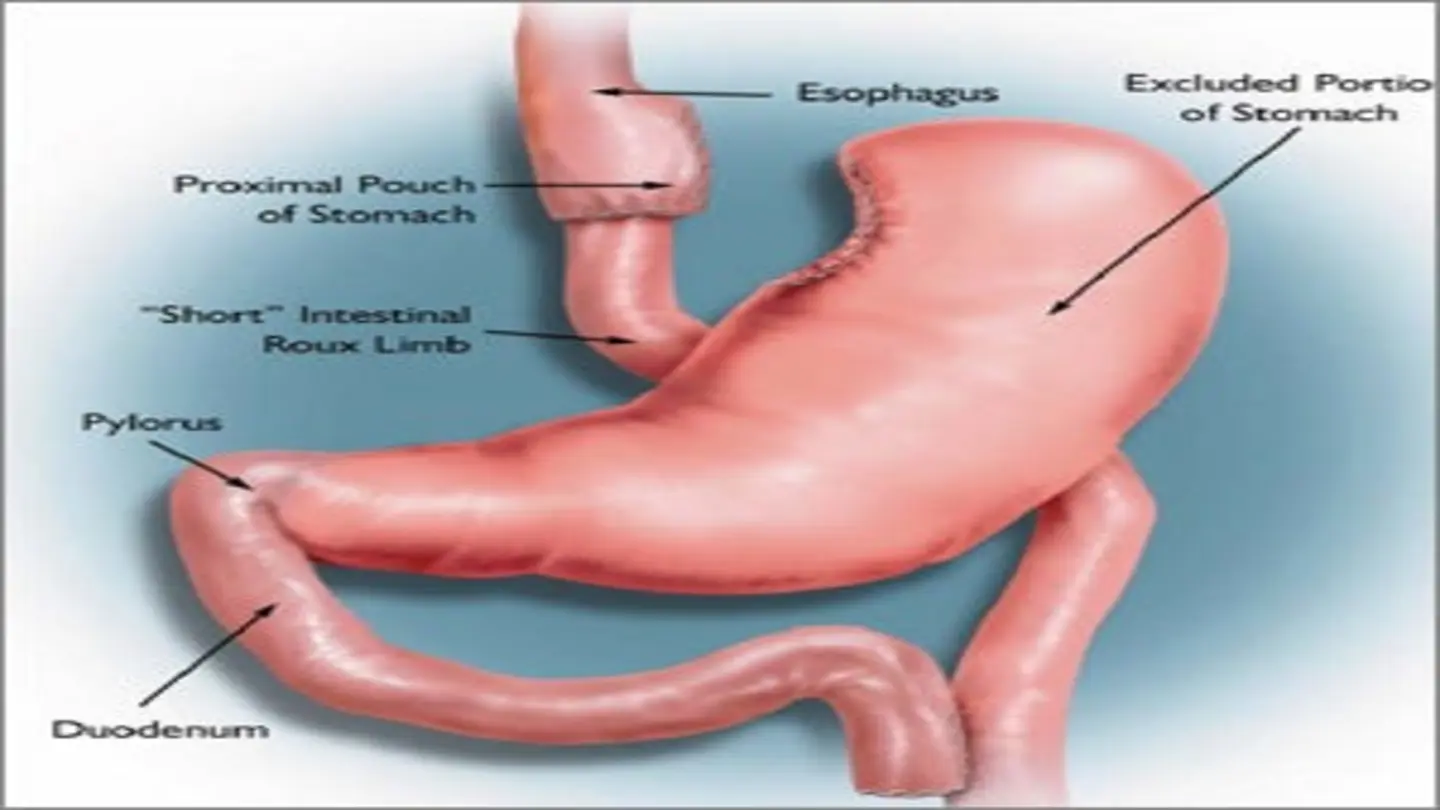
During gastric bypass, a portion of the stomach is often bypassed, and the remaining stomach pouch is disconnected from the rest of the digestive tract. This left-over portion, known as the excluded stomach, is believed to be a key factor in the observed increased cancer risk. The altered anatomy can disrupt normal digestive processes and potentially create an environment conducive to tumor development.
Researchers observed a higher incidence of stomach cancer in patients with the excluded stomach compared to those who had a more complete gastric bypass. The exact mechanisms behind this increased risk are still being investigated, but potential explanations include chronic inflammation, changes in gastric acid exposure, and altered gut microbiome composition.
Implications for Patients and Physicians
This study underscores the importance of long-term monitoring for patients who have had gastric bypass surgery. Regular endoscopic surveillance may be necessary to detect any early signs of cancer.
Furthermore, surgeons and healthcare providers should be aware of this potential risk and discuss it thoroughly with patients before and after the procedure. Patient education about the potential long-term implications is crucial for informed decision-making. Future research will focus on identifying strategies to mitigate this risk, potentially through dietary modifications, medications, or more refined surgical techniques.
While gastric bypass remains a valuable tool for treating severe obesity, this research adds another layer of complexity to its long-term considerations. The findings emphasize the need for continued research and vigilance in managing the health of bariatric surgery patients. It is important to note that the absolute risk of stomach cancer remains relatively low, but awareness and proactive monitoring are recommended.
Image Source: Google | Image Credit: Respective Owner