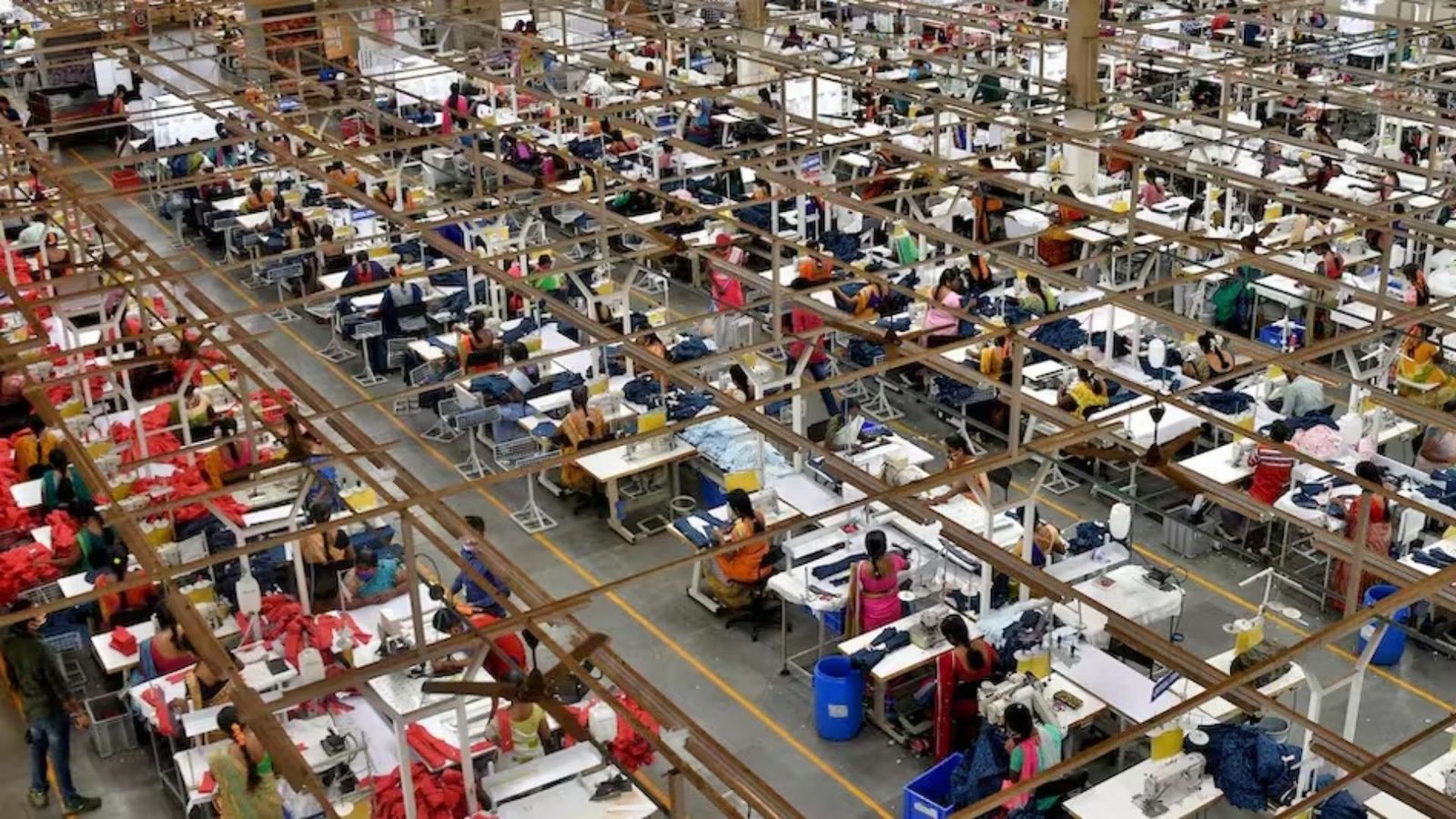
Garment exporters face a turbulent landscape as shifting U.S. trade policies reshape global supply chains. Recent tariff adjustments and evolving regulatory frameworks threaten to alter the competitive edge of India’s textile and apparel industry, a key player in the American market. Analysts warn that sustained challenges could force exporters to adapt or risk losing market share to rivals in Vietnam, Bangladesh, and Pakistan, which already benefit from preferential U.S. access agreements like USMCA.
The U.S. has imposed trade barriers on Chinese goods under Section 301 tariffs, prompting global supply chain realignments. Indian exporters, however, now face indirect consequences as American brands seek alternative low-cost manufacturers. Compliance with stringent U.S. safety and labeling standards adds operational complexity, increasing production costs. Small and medium enterprises (SMEs), which dominate India’s export landscape, struggle to absorb these expenses without compromising quality or pricing.
Trade committees highlight the need for clarity in U.S. policy towards South Asian exporters. Current disputes under the Generalized Scheme of Preferences Plus (GS+P) framework exacerbate uncertainty. While U.S. demand for sustainable and ethically sourced garments grows, Indian manufacturers must invest in eco-friendly practices to remain viable. Industry experts emphasize the importance of digital tools and automation to streamline production and meet stringent quality requirements.
Despite hurdles, Indian exporters retain opportunities. The U.S. apparel market’s projected growth to $25 billion annually by 2030 drives interest among domestic producers. Collaborations with American retailers and participation in trade missions could solidify ties. However, reliance on aging manufacturing infrastructure and a fragmented export ecosystem remains a barrier. Stakeholders urge government intervention in skills development and infrastructure upgrades to bolster competitiveness.
As geopolitical tensions and economic cycles reshape trade dynamics, the garment sector stands at a crossroads. Exporters must navigate uncertainty while seizing opportunities to secure a foothold in one of the world’s largest fashion markets. Strategic adaptation, policy advocacy, and innovation will define success in the evolving transatlantic trade relationship.
Image Source: Google | Image Credit: Respective Owner