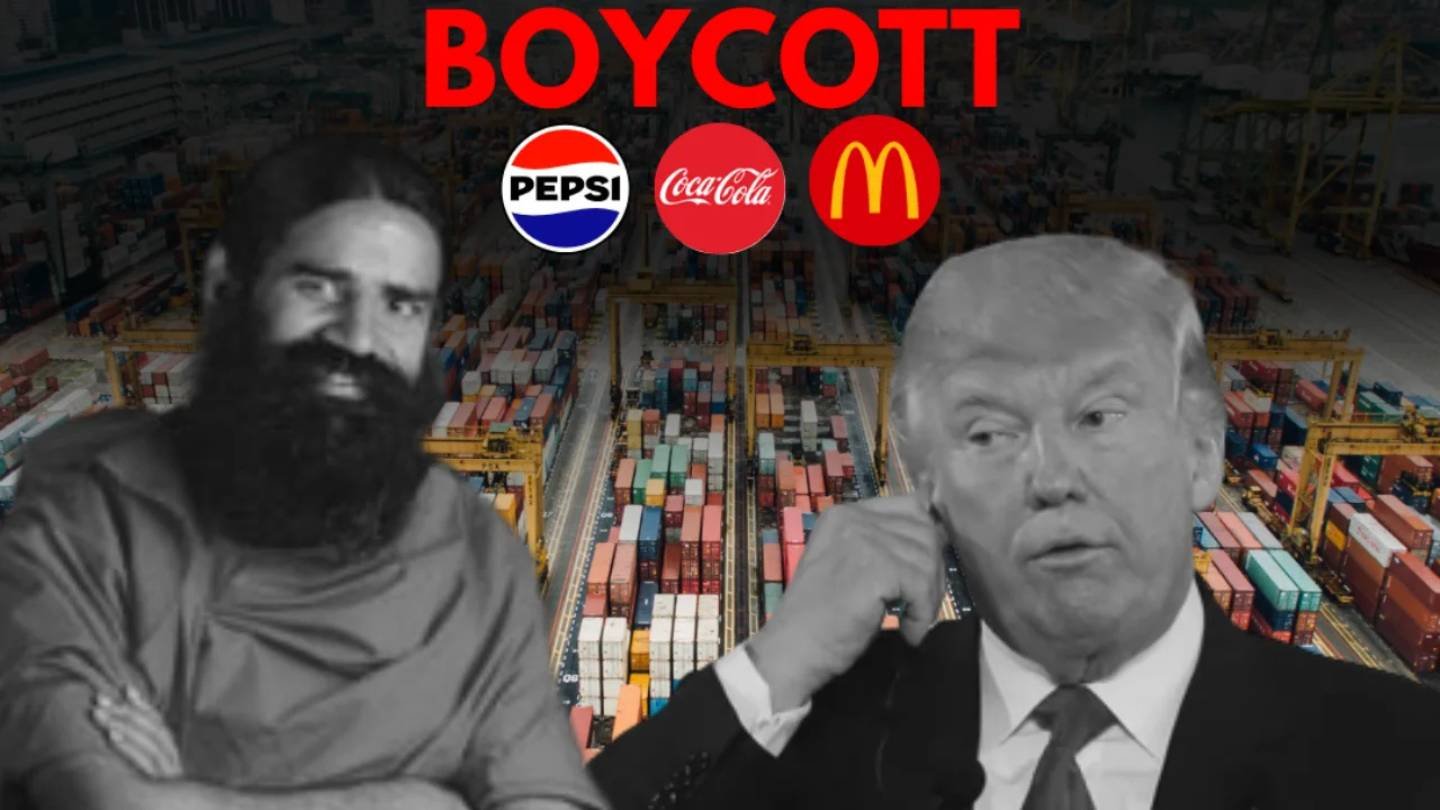
Several American consumer giants, including Pepsi, Coca-Cola, McDonald’s, KFC and Subway, are facing mounting backlash in India after US President Donald Trump imposed steep tariffs on Indian goods.
The latest move comes as part of Washington’s response to India’s continued purchase of Russian oil. Trump announced a total of 50% tariffs, among the highest globally, accusing New Delhi of reselling Russian crude for profit. The extra duty took effect recently.
Calls for a ‘Swadeshi’ Push
The decision has triggered a wave of anti-US sentiment across India. Yoga guru Ramdev urged people to boycott American products, saying not a single Indian should be seen consuming Pepsi, Coke or visiting US fast-food chains. Prime Minister Narendra Modi also reiterated his long-standing “vocal for local” call, asking citizens to choose Indian-made products to strengthen the domestic economy.
“There is a politics of economic selfishness worldwide, but India must focus on swadeshi goods made by our own people,” Modi said in a recent address.
Wider Global Protests
India is not the only country witnessing pushback. Boycotts of American brands have also been reported in parts of Europe and Canada. But with a population of over 1.4 billion, India’s potential boycott could cause a significant financial setback for US multinationals.
Industry Impact
American companies have a strong foothold in the Indian market. Westlife Foodworld, which runs McDonald’s in West and South India, posted ₹2,390 crore in revenue in FY2024, up 5% from the previous year. PepsiCo India reported ₹8,200 crore in revenue the same year, with India ranked among its top 15 global markets. The company has invested nearly ₹4,000 crore in the country in the last three years.
India’s Response
Rejecting Trump’s justification, New Delhi called the tariffs “unfair and unreasonable” and vowed to take necessary steps to safeguard its national interests. AAP MP Ashok Kumar Mittal also drew parallels with the 1905 Swadeshi Movement, warning the US of the potential consequences if Indians restrict American businesses.
With trade tensions escalating, American consumer brands may find themselves at the center of a growing economic and political standoff.
Image Source: Google | Image Credit: Respective Owner