A groundbreaking study reveals that the agricultural productivity of many countries is heavily reliant on atmospheric moisture originating from forests located in other nations. This finding underscores the interconnectedness of global ecosystems and highlights the critical role forests play in maintaining agricultural stability worldwide.
The research, published in Down To Earth, emphasizes that deforestation in one region can have significant consequences for agricultural yields in distant lands. The study meticulously tracks the movement of atmospheric moisture, demonstrating how forests act as crucial sources of water vapor that travels across continents, eventually precipitating as rainfall in agricultural areas.
Interdependence of Ecosystems
The study employed sophisticated climate modeling techniques to trace the origins and pathways of atmospheric moisture. The results indicate that a substantial portion of the rainfall that sustains agriculture in several key regions is derived from forests located thousands of miles away. This highlights the importance of international cooperation in forest conservation efforts, as the benefits of preserving forests extend far beyond national borders.
“Our findings demonstrate that the fate of agriculture in many countries is intrinsically linked to the health and preservation of forests in other parts of the world,” explained the lead author of the study. “Deforestation not only reduces local rainfall but also diminishes the supply of atmospheric moisture available to agricultural regions downwind.”
Impact of Deforestation
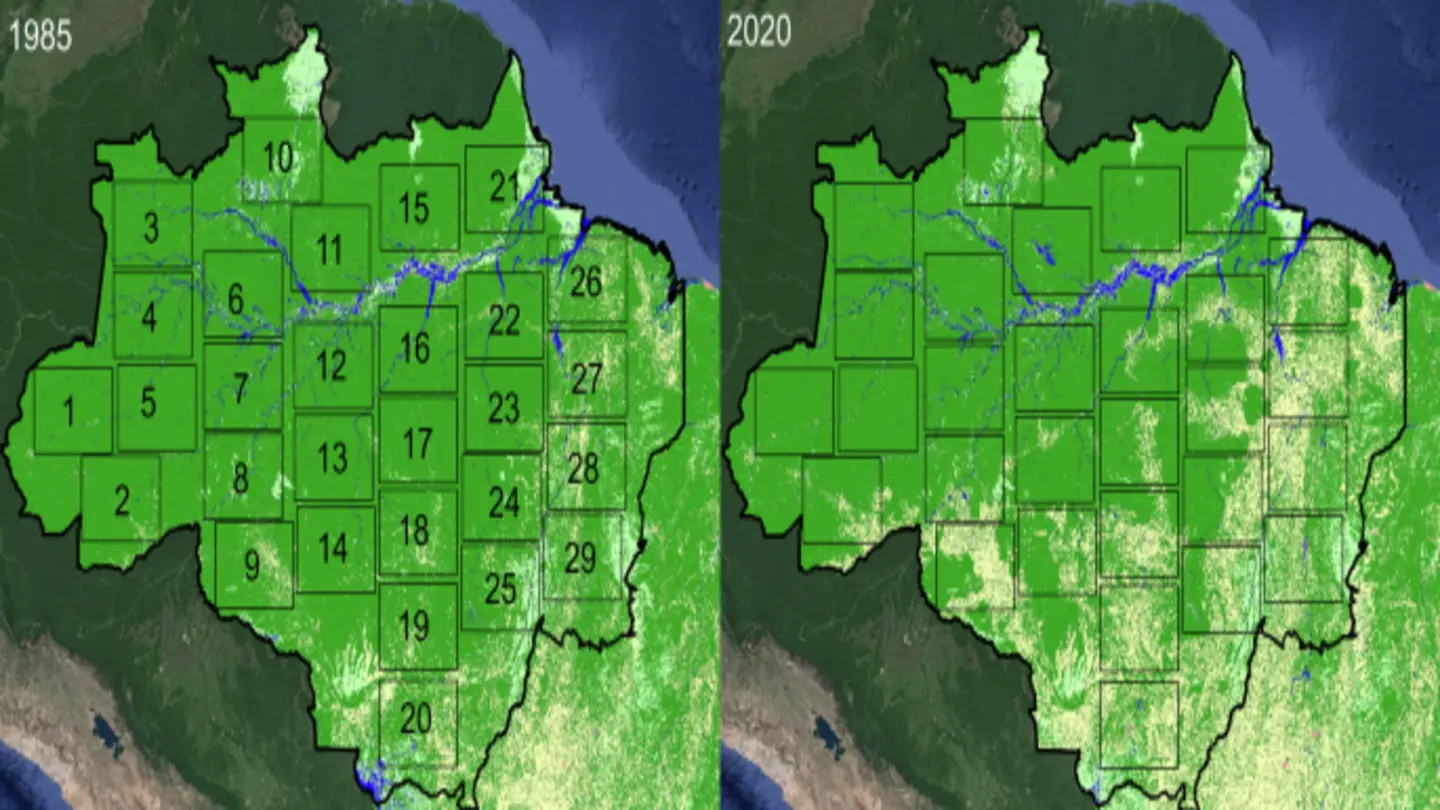
The implications of this study are particularly relevant in the context of ongoing deforestation in regions such as the Amazon rainforest and Southeast Asia. These forests are major sources of atmospheric moisture for agricultural areas in South America, Asia, and even parts of Europe and North America. The study warns that continued deforestation in these regions could lead to decreased rainfall and reduced agricultural productivity in these downstream areas.
Furthermore, the study highlights the need for a more holistic approach to land management and agricultural policy. It suggests that policies aimed at promoting sustainable forestry practices and reducing deforestation should be integrated into broader strategies for ensuring food security and mitigating the impacts of climate change. The study also calls for increased awareness among policymakers and the public about the vital role forests play in maintaining global agricultural stability.
In conclusion, the research underscores the urgent need for international cooperation in forest conservation to protect the world’s agriculture. The delicate balance of ecosystems means that actions in one country directly impact food production in others, making sustainable forestry a global imperative.
Image Source: Google | Image Credit: Respective Owner