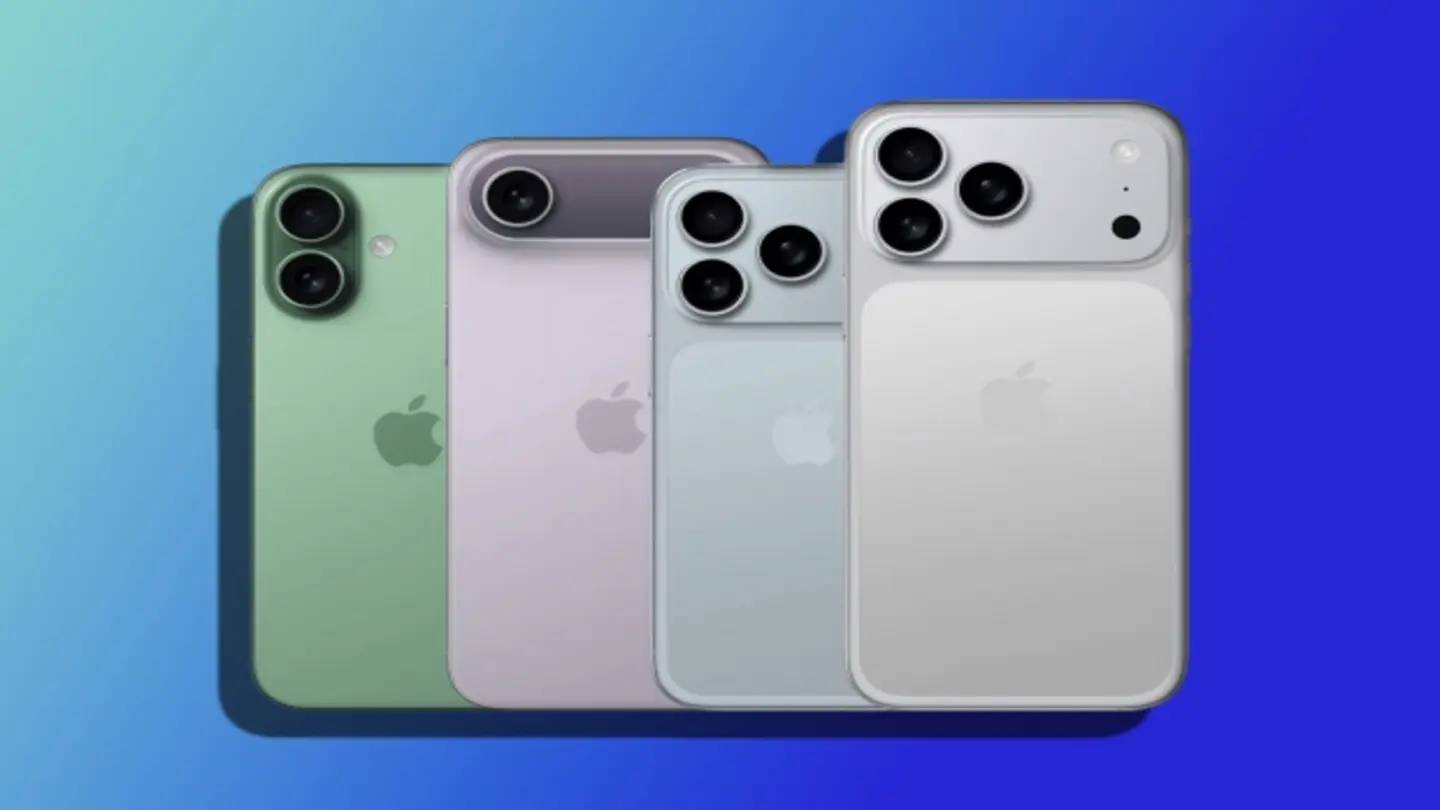
Apple is reportedly gearing up to launch its first foldable iPhone in 2026, and it’s expected to be the company’s most expensive iPhone yet. The development marks Apple’s entry into the burgeoning foldable smartphone market, currently dominated by companies like Samsung and Huawei. While details remain scarce, industry analysts suggest that the foldable iPhone will feature a clamshell design, similar to the Samsung Galaxy Z Flip series, rather than a book-style fold like the Galaxy Z Fold. This design choice would prioritize portability and ease of use, aligning with Apple’s user-centric philosophy.
Pricing Expectations
The anticipated high price tag stems from several factors. Foldable displays are significantly more complex and costly to manufacture than traditional smartphone screens. Furthermore, Apple is known for its premium pricing strategy, often reflecting the high quality of its materials, components, and software integration. Given the innovative nature of a foldable device and Apple’s brand cachet, a premium price point is almost guaranteed.
The launch of a foldable iPhone could reshape the competitive landscape of the smartphone market. Apple’s entry is likely to legitimize the foldable category, driving further innovation and adoption among consumers. Other manufacturers may feel pressured to develop and release their own foldable devices to compete with Apple’s offering. It’s also expected that the entrance will impact component suppliers and display manufacturers, particularly those capable of producing high-quality foldable displays.
Design and Features
While the exact specifications are unknown, there’s speculation that the foldable iPhone will incorporate advanced display technologies, such as a flexible OLED panel with ultra-thin glass, to enhance durability and visual quality. The device is also expected to feature Apple’s latest processor, a sophisticated camera system, and seamless integration with the company’s ecosystem of services and devices. Moreover, Apple will undoubtedly optimize iOS to take full advantage of the foldable form factor, offering unique user experiences and multitasking capabilities.
The decision to launch in 2026 suggests that Apple is taking its time to refine the design and technology of its foldable iPhone, ensuring that it meets the company’s high standards for quality and usability. This approach contrasts with some competitors who have rushed to market with less polished foldable devices. Apple’s deliberate strategy underscores its commitment to delivering a truly exceptional product that pushes the boundaries of mobile innovation. The company clearly aims not just to participate in the foldable market, but to redefine it.
Image Source: Google | Image Credit: Respective Owner