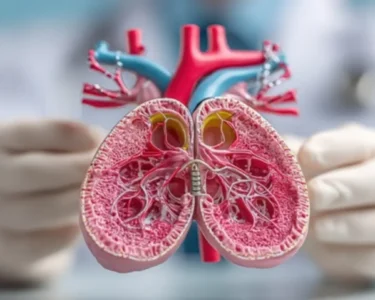
In a medical milestone, scientists in China have successfully transplanted a genetically engineered pig lung into a human for the first time. The recipient was a 39-year-old man declared brain-dead after a brain hemorrhage, whose family consented to the experimental procedure.
How It Was Done
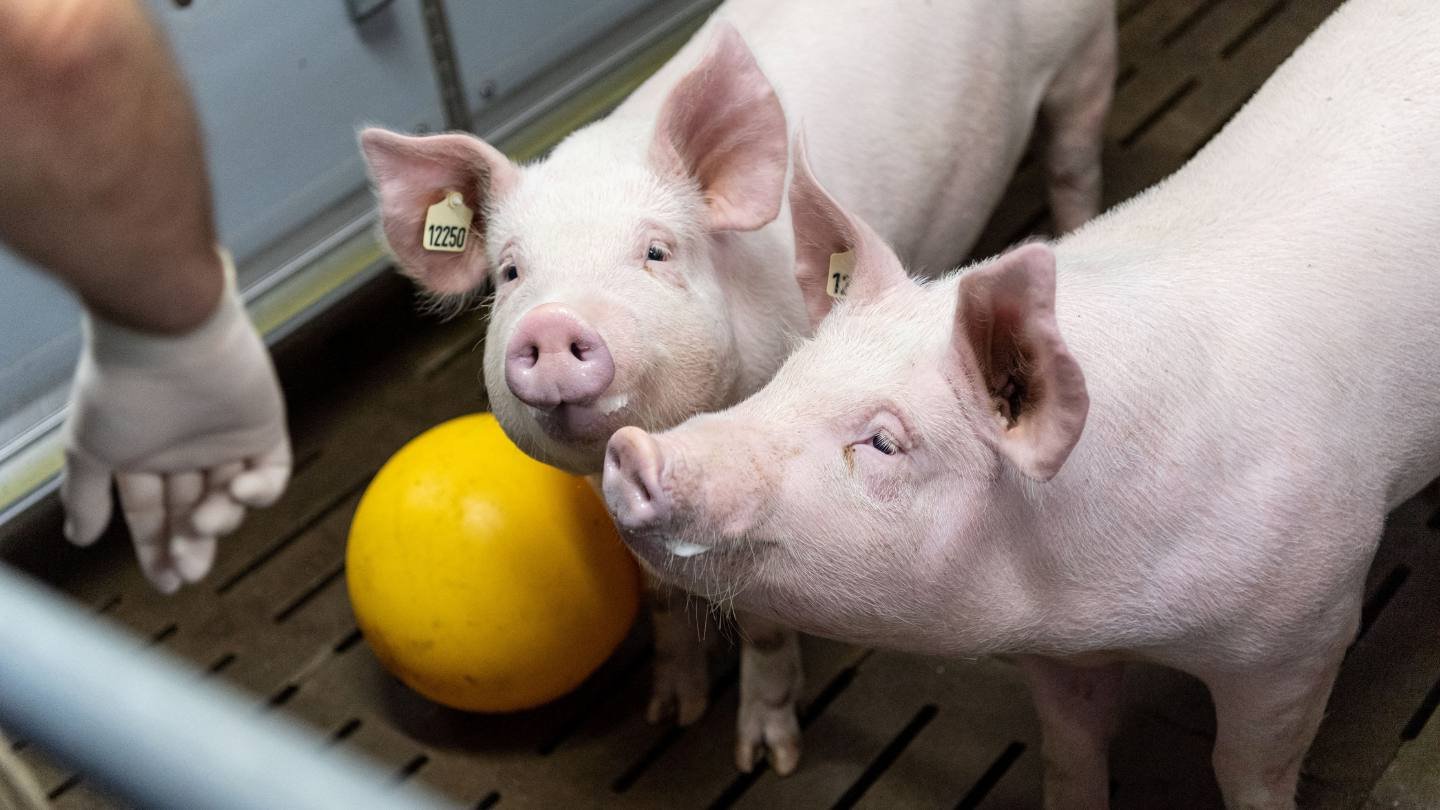
The donor lung came from a pig that had been modified with six genetic edits designed to reduce the risk of immune rejection. The surgery team at the First Affiliated Hospital of Guangzhou Medical University monitored the transplanted lung for nine days (216 hours).
Doctors were particularly watching for “hyperacute rejection” — the body’s immediate, violent reaction against a foreign organ — which has long been a barrier in xenotransplantation. Encouragingly, this did not occur.
What Happened After Transplant
- The lung remained viable and functional for the duration of the observation period.
- At 24 hours, doctors observed severe edema (swelling) similar to what can happen in human-to-human lung transplants, possibly due to ischemia–reperfusion injury (tissue stress when blood supply is restored).
- Signs of antibody-mediated rejection appeared on days 3 and 6 but partially improved by day 9.
- Doctors used an aggressive immunosuppressive drug regimen — including tacrolimus, steroids, rituximab, and others — adjusting doses as the immune response evolved.
Why This Matters
Lungs are among the most fragile organs to transplant. Even in traditional human lung transplants, rejection and infection are common challenges. Until now, pig-to-human xenotransplantation had been tested only with hearts and kidneys in deceased recipients.
This breakthrough demonstrates that:
- A pig lung can function in the human body, at least temporarily.
- Genetic engineering plus advanced immunosuppression may help overcome the most immediate hurdles.
The Road Ahead
While promising, the researchers stressed that this does not mean pig lung transplants are ready for clinical use. Rejection, infection risks, and long-term survival remain unsolved challenges. More preclinical studies — likely including animal trials and further work in brain-dead human recipients — will be needed before living patients could be considered.
Still, the study represents a huge step toward addressing global organ shortages, where thousands die every year waiting for a lung transplant.
Image Source: Google | Image Credit: Respective Owner