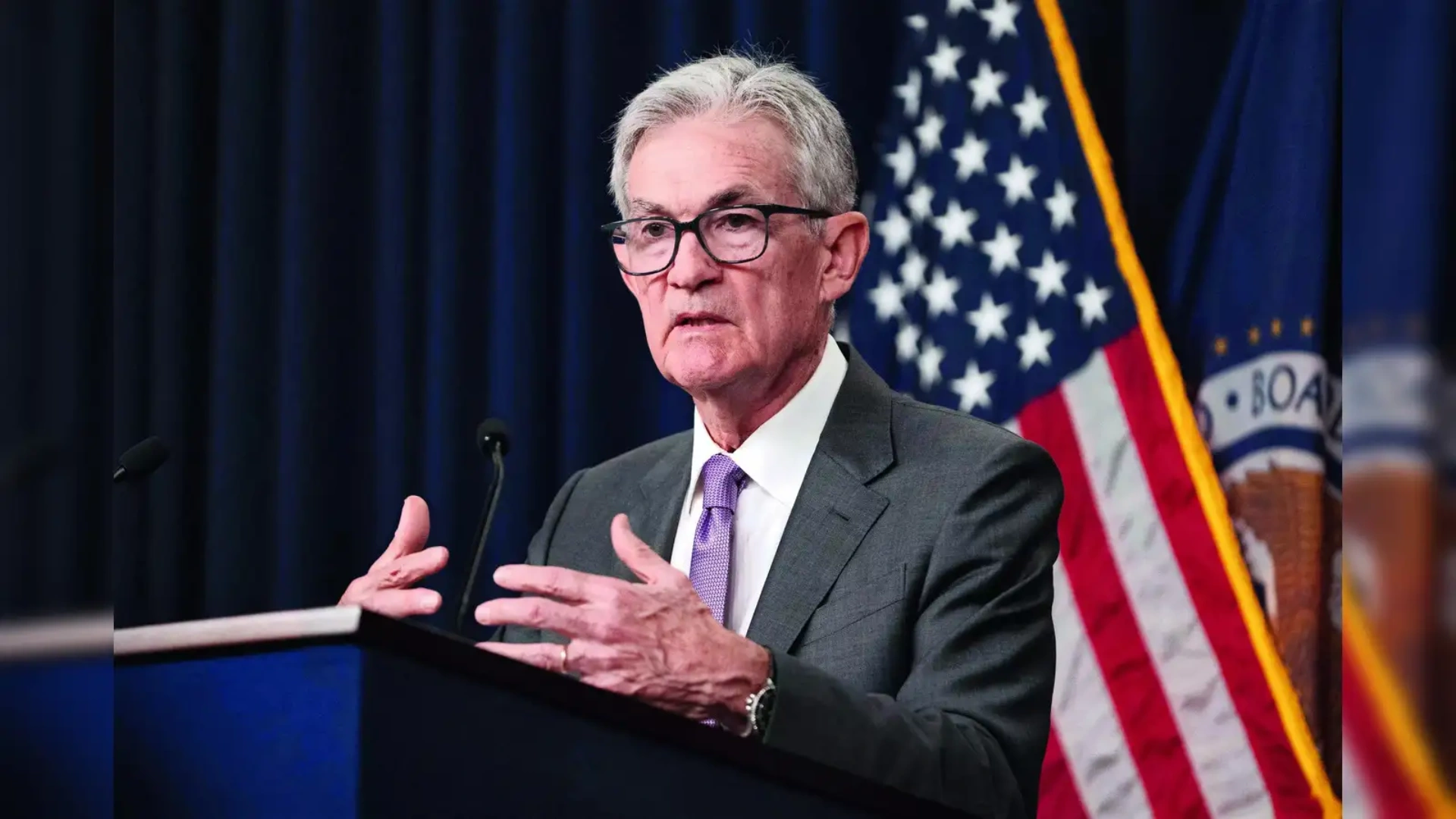
Federal Reserve Chair Jerome Powell has indicated that two additional interest rate cuts are likely in 2025. This projection, revealed in recent statements, suggests a more dovish stance from the central bank as it navigates economic uncertainties and aims to achieve its dual mandate of price stability and full employment.
Powell’s remarks followed the latest Federal Open Market Committee (FOMC) meeting, where policymakers assessed the current economic landscape. The committee acknowledged that while inflation has shown signs of moderating, it remains above the Fed’s 2% target. The labor market continues to be robust, but there are indications of a gradual slowdown, prompting a cautious approach to monetary policy.
Economic Indicators and Fed’s Response
The Fed’s decision-making process is heavily influenced by key economic indicators. Recent data on inflation, GDP growth, and employment figures play a crucial role in shaping the central bank’s outlook and policy adjustments. The Consumer Price Index (CPI) and the Personal Consumption Expenditures (PCE) price index are closely monitored to gauge inflationary pressures. Similarly, GDP growth provides insights into the overall health of the economy.
Powell emphasized that the Fed would remain data-dependent, meaning that future policy decisions would hinge on incoming economic data. This approach allows the central bank to respond flexibly to evolving economic conditions. The potential for two rate cuts in 2025 suggests that the Fed anticipates a need to provide additional stimulus to the economy as it navigates potential challenges.
Market Reactions and Expert Opinions
Financial markets reacted positively to Powell’s dovish signals. Stock prices rose, and bond yields fell, reflecting expectations of lower borrowing costs in the future. Investors interpreted the Fed’s stance as a sign that the central bank is committed to supporting economic growth.
However, analysts caution that the economic outlook remains uncertain. Geopolitical tensions, supply chain disruptions, and the ongoing impact of the COVID-19 pandemic could all pose risks to the global economy. Some economists argue that the Fed should maintain a more hawkish stance to ensure that inflation is brought under control.
Others contend that the Fed’s gradual approach is appropriate, given the potential for a recession if interest rates are raised too aggressively. The debate over the appropriate course of monetary policy is likely to continue as economic conditions evolve.
Implications for Businesses and Consumers
The prospect of lower interest rates in 2025 has implications for businesses and consumers. Lower borrowing costs could stimulate investment and consumer spending, providing a boost to economic activity. Businesses may be more inclined to undertake new projects, and consumers may be more willing to make large purchases, such as homes and cars.
However, lower interest rates could also have unintended consequences. For example, they could fuel asset bubbles and lead to excessive risk-taking in financial markets. The Fed must carefully balance the benefits of lower interest rates against the potential risks.
Powell reiterated the Fed’s commitment to achieving its dual mandate of price stability and full employment. The central bank will continue to monitor economic conditions closely and adjust its policies as needed to achieve these goals. The potential for two rate cuts in 2025 reflects the Fed’s assessment of the current economic landscape and its expectations for the future.
Image Source: Google | Image Credit: Respective Owner