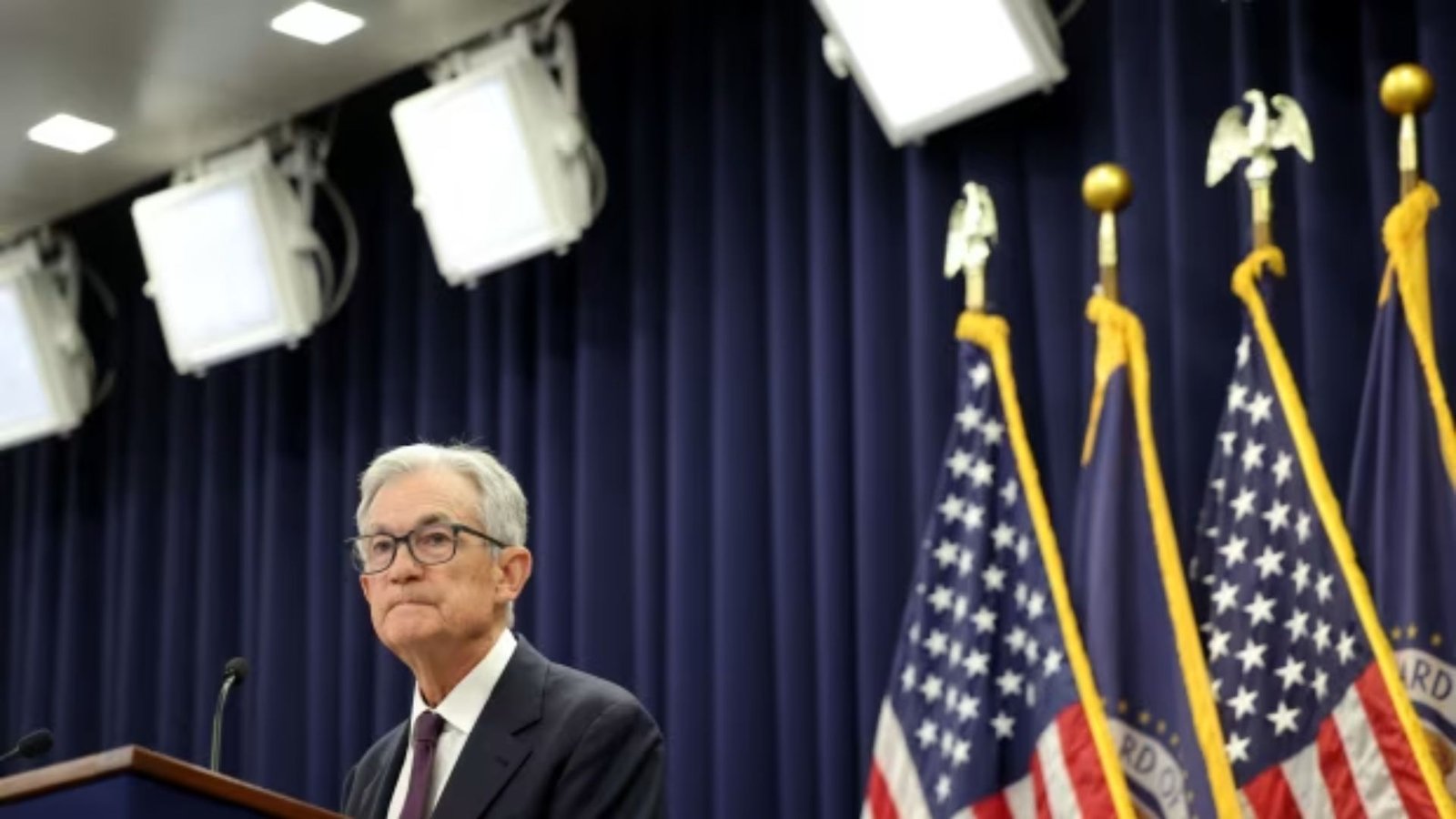
The Federal Reserve’s Federal Open Market Committee (FOMC) concluded its latest meeting today, announcing it would hold interest rates steady within the current target range of 3.50%-3.75%. This decision, led by Chair Jerome Powell, dashes hopes for an immediate reduction in borrowing costs and signals a continued cautious approach to combating inflation.
While acknowledging some encouraging signs of cooling inflation, the committee stated that it remains committed to returning inflation to its 2% goal. The latest economic data indicates a resilient labor market and persistent inflationary pressures, prompting the Fed to prioritize price stability over stimulating economic growth. The statement released following the meeting emphasized that future decisions will be data-dependent, suggesting that the path of interest rates remains uncertain.
Economic Projections and Future Guidance
Crucially, the Fed did not signal a pivot toward easing monetary policy. Instead, projections released alongside the policy statement indicate that most FOMC members anticipate interest rates remaining above 5% through the end of 2024. This represents a hawkish stance, indicating a willingness to tolerate some economic slowdown in order to bring inflation under control. The median projection sees rates falling only modestly in 2025 and 2026.
Jerome Powell, during the post-meeting press conference, reiterated the Fed’s commitment to its inflation target, acknowledging the difficulties in achieving a soft landing – a scenario where inflation cools without significant job losses. He emphasized that the Fed will monitor the impact of its tightening policies on the economy, but remains prepared to raise rates further if necessary. He pointed towards the continued strength in the labor market as a key factor influencing the Fed’s decision-making process.
The lack of an immediate rate cut impacts various sectors of the economy. Mortgage rates are likely to remain elevated, hindering housing affordability. Businesses may face higher borrowing costs, potentially leading to reduced investment and hiring. Consumers will continue to feel the pinch of higher interest rates on credit cards and other loans. Financial markets reacted negatively to the news, with stocks falling and bond yields rising as investors priced in the possibility of prolonged higher interest rates.
However, analysts suggest that the Fed’s cautious approach is ultimately necessary to prevent inflation from becoming entrenched. A premature easing of monetary policy could jeopardize the progress made so far and require even more aggressive action in the future. The Fed’s challenge now is to navigate a delicate balance between curbing inflation and avoiding a recession.
The committee will hold their next meeting in January, where they will reassess the economic data and determine whether further rate hikes – or a potential shift in policy – are warranted. The ongoing geopolitical uncertainties and supply chain disruptions remain potential risks to the economic outlook, adding to the complexity of the Fed’s task.
Overall, today’s decision from the Federal Reserve underscores its unwavering commitment to fighting inflation, even at the cost of slower economic growth, and sets the stage for a continued period of higher interest rates.
Image Source: Google | Image Credit: Respective Owner