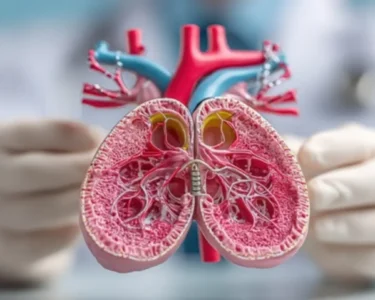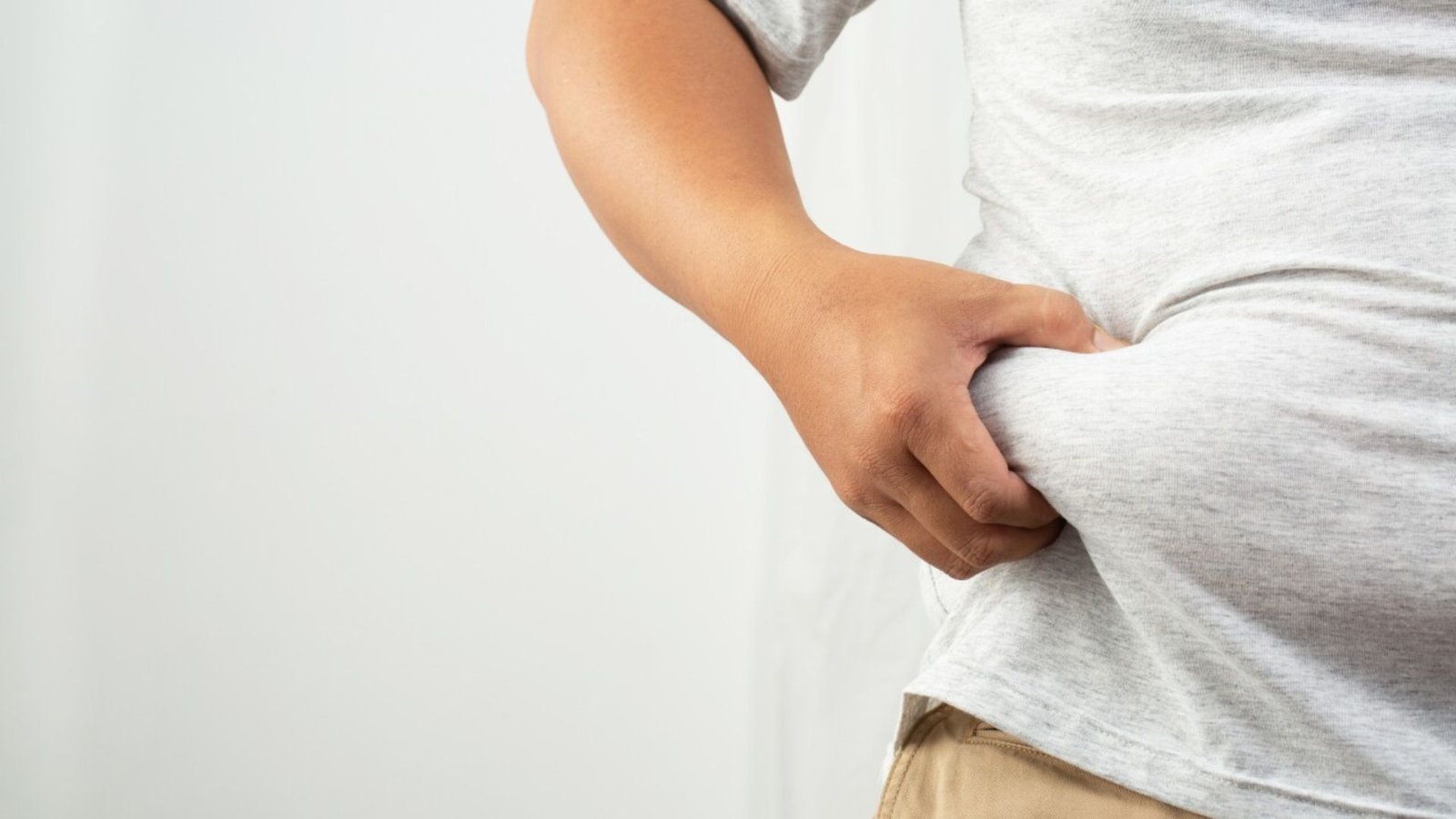
A significant portion of the Indian population, approximately 38%, is affected by fatty liver disease, raising concerns among healthcare professionals. Fatty liver, also known as hepatic steatosis, occurs when there is an excessive buildup of fat in the liver. If left unchecked, it can lead to serious complications, including liver damage, cirrhosis, and even liver failure. Early detection and management are crucial in preventing the progression of the disease.
According to health experts, several factors contribute to the rising prevalence of fatty liver in India, including unhealthy dietary habits, sedentary lifestyles, obesity, and diabetes. Recognizing the early signs of fatty liver is essential for timely intervention and improved health outcomes. Doctors emphasize that certain symptoms can be observed at home, prompting individuals to seek medical attention when necessary.
Key Signs of Fatty Liver
One of the primary indicators of fatty liver is persistent fatigue and weakness. Individuals may experience a constant lack of energy, even after adequate rest. Another common symptom is discomfort or pain in the upper right abdomen, where the liver is located. This pain can range from a dull ache to a sharp, stabbing sensation.
Changes in appetite and unexplained weight loss can also signal the presence of fatty liver. Some individuals may experience a decreased desire to eat, leading to unintentional weight reduction. Additionally, swelling in the abdomen and legs, known as edema, can occur as the disease progresses and fluid accumulates in the body.
Jaundice, characterized by yellowing of the skin and eyes, is another significant sign of liver dysfunction. This occurs when the liver is unable to process bilirubin, a yellow pigment produced during the breakdown of red blood cells. Finally, some individuals with fatty liver may develop skin conditions such as itching or dark patches on the neck and armpits, known as acanthosis nigricans.
Doctors advise that if any of these symptoms are present, it is essential to consult a healthcare professional for a thorough evaluation. Diagnostic tests, such as blood tests and imaging studies, can help determine the extent of liver damage and guide treatment decisions. Lifestyle modifications, including dietary changes, regular exercise, and weight management, are often recommended to manage fatty liver and prevent further complications. A balanced diet rich in fruits, vegetables, and whole grains, along with limiting the intake of processed foods, sugary drinks, and alcohol, can significantly improve liver health. Regular physical activity helps burn excess fat and improve overall metabolic function.
In addition to lifestyle changes, medications may be prescribed to manage underlying conditions such as diabetes or high cholesterol, which can contribute to fatty liver. Early intervention and adherence to medical advice are crucial for preventing the progression of fatty liver disease and maintaining liver health. Public awareness campaigns and educational initiatives play a vital role in promoting early detection and healthy lifestyle choices to combat the rising prevalence of fatty liver in India.
Image Source: Google | Image Credit: Respective Owner