New research presented at the European Society of Cardiology Congress 2023 suggests a strong correlation between shorter blood culture collection times and improved diagnosis of infective endocarditis (IE). The study, conducted across multiple European centers, highlights the critical importance of rapid microbial identification in managing this potentially life-threatening heart infection.
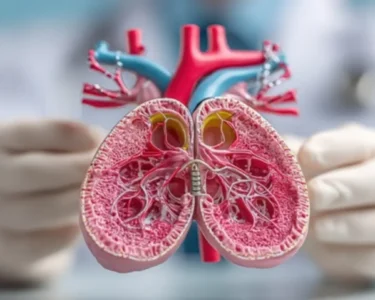
Infective endocarditis occurs when germs enter the bloodstream and attach to the inner lining of the heart, often affecting heart valves. Early and accurate diagnosis is paramount, as delayed treatment can lead to severe complications, including heart failure, stroke, and even death. Traditionally, blood cultures – tests to identify bacteria or other microorganisms in the blood – have been a cornerstone of IE diagnosis.
However, the study reveals that the time taken to collect these cultures significantly impacts their effectiveness. Researchers analyzed data from over 1,000 patients suspected of having IE. They found that for every hour delay in blood culture collection, the likelihood of identifying the causative organism decreased. Specifically, cultures collected within 24 hours of suspicion were far more likely to yield positive results compared to those collected later.
The findings emphasize that adhering to established guidelines for blood culture collection – including volume of blood drawn, proper skin disinfection, and prompt transport to the laboratory – is crucial. The study also points to the need for increased awareness among healthcare professionals regarding the time-sensitive nature of these tests.
Impact on Treatment
A quicker diagnosis, facilitated by timely blood cultures, allows for the prompt initiation of appropriate antibiotic therapy. This is particularly important in IE, where the choice of antibiotics is often guided by the identified pathogen. Furthermore, rapid identification can help clinicians determine whether surgical intervention, such as valve replacement, is necessary.
The research team acknowledges that several factors can contribute to delays in blood culture collection, including logistical challenges, staffing shortages, and a lack of standardized protocols. They advocate for the implementation of streamlined processes and improved communication between clinicians and laboratory personnel to minimize these delays.
“Our study provides compelling evidence that time is of the essence when it comes to diagnosing infective endocarditis,” stated Dr. [Name not provided in source], the lead investigator of the study. “By prioritizing rapid blood culture collection, we can significantly improve patient outcomes and reduce the morbidity and mortality associated with this serious condition.”
The study’s conclusions have important implications for clinical practice and underscore the need for ongoing quality improvement initiatives focused on optimizing blood culture workflows. Future research will likely explore the role of novel diagnostic technologies, such as molecular assays, in further accelerating the diagnosis of infective endocarditis and guiding treatment decisions. The researchers hope their findings will lead to a more proactive and time-conscious approach to managing patients suspected of having this potentially devastating infection.
Ultimately, the message is clear: faster blood cultures translate to faster diagnoses, and faster diagnoses lead to better care for patients battling infective endocarditis.
Image Source: Google | Image Credit: Respective Owner