High-Stakes Testimony in Pakistan
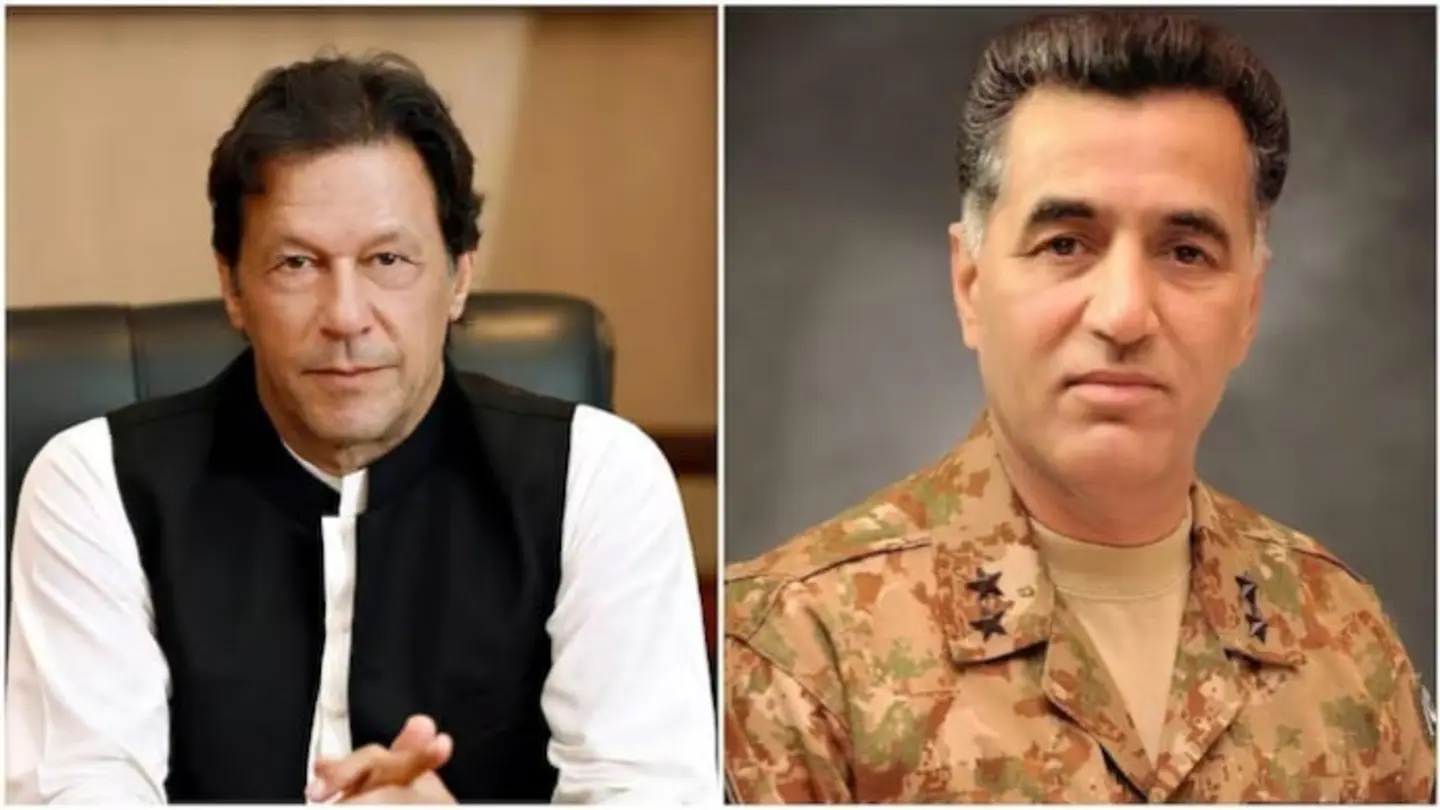
Pakistan faces escalating political tension as Lt Gen (retd) Faiz Hameed, former head of the country’s powerful Inter-Services Intelligence (ISI), prepares to testify against former Prime Minister Imran Khan. Hameed, currently imprisoned on unrelated charges, has become a central figure in the ongoing legal and political battle surrounding Khan, whose Pakistan Tehreek-e-Insaf (PTI) party remains a dominant force despite repeated setbacks. The testimony is expected to address allegations of misconduct and potential conspiracy, further complicating Khan’s efforts to regain power amid a fractured political landscape.
Caretaker Prime Minister Anwaar-ul-Haq Kakar, often referred to as Munir in regional media, has intensified efforts to stabilize governance ahead of scheduled elections. His administration has implemented stricter oversight of security agencies and moved to consolidate authority, citing the need for national unity. Analysts suggest these measures aim to prevent any resurgence of Khan’s influence, which remains deeply entrenched in Pakistan’s volatile politics. The government’s approach has drawn criticism from PTI supporters, who accuse the leadership of suppressing dissent through legal maneuvering.
Hameed’s anticipated testimony underscores the intricate interplay between military, political, and judicial entities in Pakistan. As a former ISI chief, his insights could revelations about backchannel operations, covert strategies, and alleged collusion between security apparatus and political actors. Legal experts note that his credibility may hinge on perceived impartiality, given his own entanglement in ongoing investigations. The proceedings have sparked debates about accountability and the rule of law, with opposition groups demanding transparency and Khan allies decrying what they term political persecution.
The political climate remains charged as stakeholders brace for potential fallout. International observers have expressed concern over the erosion of democratic norms, emphasizing the importance of free and fair elections. Domestic analysts warn that any escalation could deepen societal divisions, particularly in a region already grappling with economic instability and security threats. The upcoming parliamentary elections are seen as a pivotal test for Pakistan’s democratic resilience, with observers anticipating a fiercely contested race involving multiple factions.
Meanwhile, security forces continue to monitor public unrest, with PTI rally organizers vowing to mobilize supporters regardless of legal obstacles. Social media campaigns have amplified calls for Khan’s release and early elections, reflecting widespread dissatisfaction among segments of the population. Economists caution that prolonged political uncertainty may hinder recovery efforts, urging stakeholders to prioritize dialogue over confrontation. As the nation navigates these challenges, the balance between institutional authority and popular mandate remains a delicate and contentious issue.
Image Source: Google | Image Credit: Respective Owner