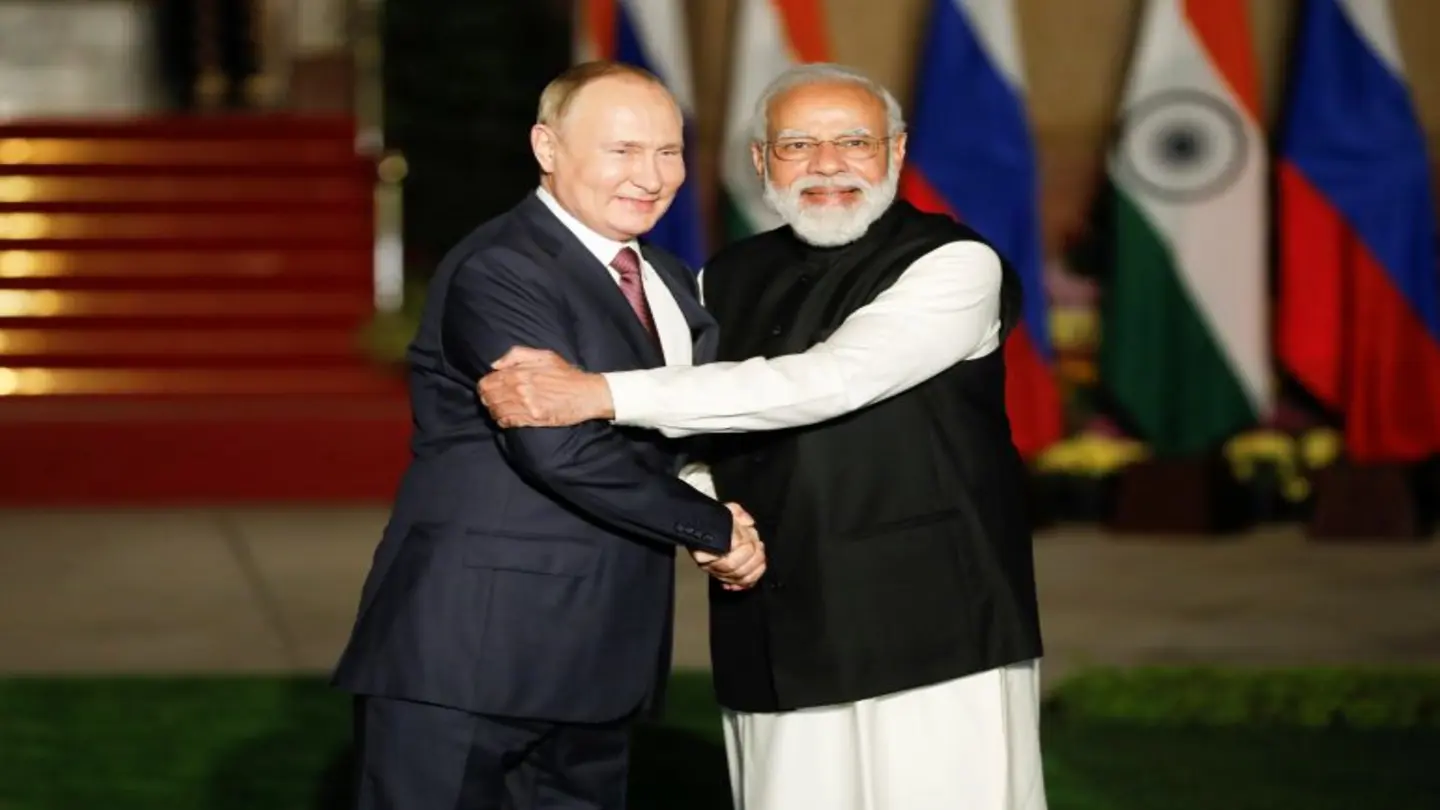
The European Union is reportedly seeking to strengthen its relationship with India despite concerns over Prime Minister Narendra Modi’s ties with Russia. This move highlights the complex balancing act the EU faces as it navigates geopolitical challenges and seeks to diversify its partnerships. The EU’s push for closer ties comes as it aims to reduce its dependence on Russia for energy and other resources, and India, with its large economy and growing global influence, represents an attractive alternative.
Strategic Importance of India
India’s strategic importance to the EU is multifaceted. Firstly, India’s large and rapidly growing economy offers significant opportunities for European businesses. Secondly, India’s democratic credentials, while imperfect, align more closely with EU values than many other potential partners in the region. Thirdly, India’s geopolitical position, particularly its role in the Indo-Pacific region, makes it a valuable partner in countering China’s growing influence.
However, the EU’s pursuit of closer ties with India is not without its challenges. One of the main obstacles is India’s continued relationship with Russia. Since the start of the war in Ukraine, India has refrained from explicitly condemning Russia’s actions and has continued to purchase Russian oil, albeit at discounted prices. This stance has drawn criticism from some European countries and has raised questions about India’s commitment to upholding international law.
The EU is also concerned about human rights issues in India, including the treatment of religious minorities and the suppression of dissent. These concerns have been raised by human rights organizations and some members of the European Parliament. Despite these concerns, the EU appears to have concluded that the strategic benefits of closer ties with India outweigh the risks. The EU is likely to engage with India on human rights issues, but it is unlikely to make this a condition for closer cooperation.
The EU’s strategy appears to be one of engagement and dialogue. By working closely with India on areas of mutual interest, such as trade, climate change, and security, the EU hopes to build trust and influence India’s behavior. The EU also recognizes that India has its own strategic interests and that it cannot be expected to simply follow the EU’s lead on every issue. The pursuit of closer ties is a long-term project that will require patience and understanding on both sides. The outcome of this endeavor will have significant implications for the future of global geopolitics and the balance of power in the Indo-Pacific region.
Image Source: Google | Image Credit: Respective Owner