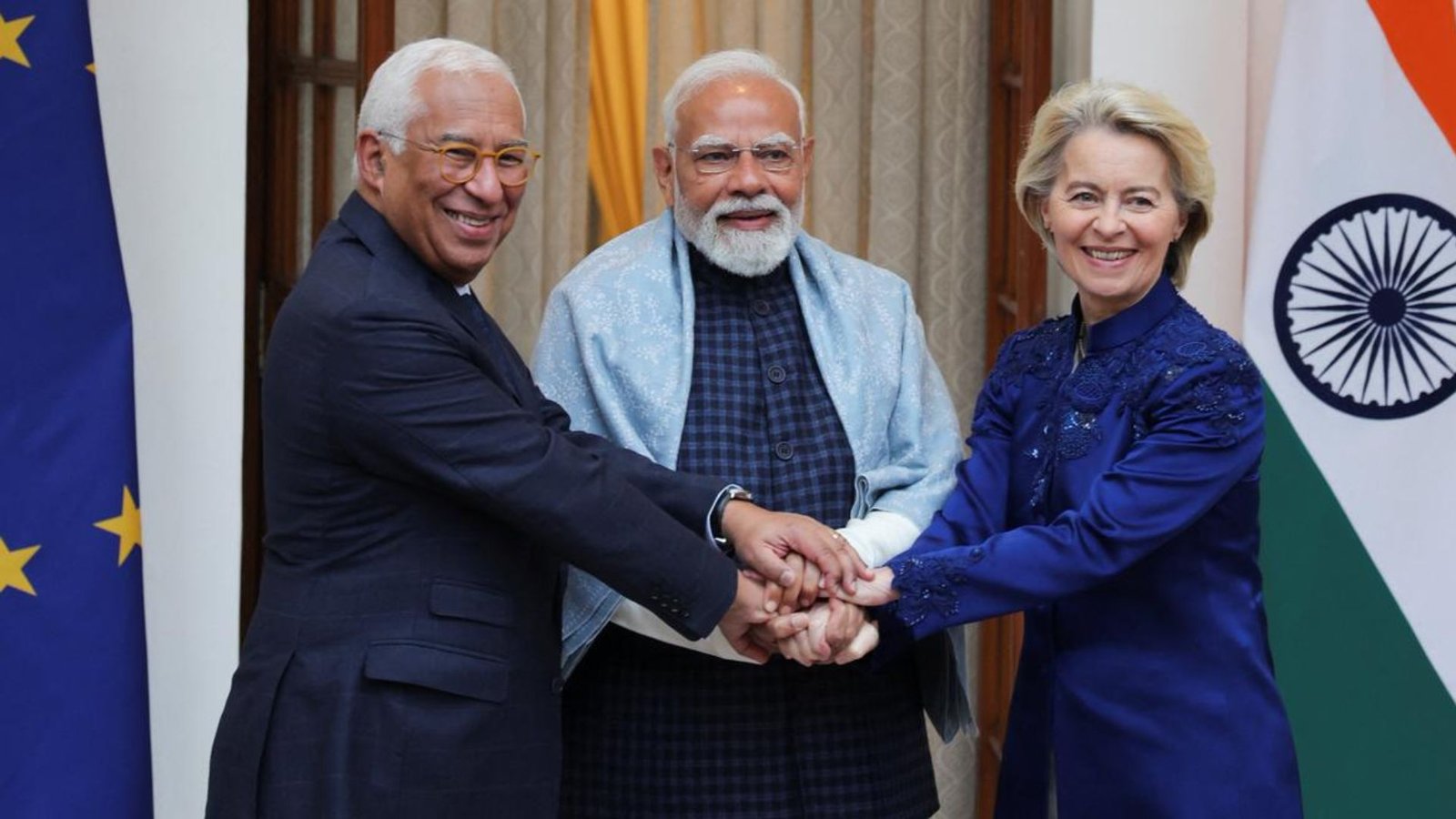
New Delhi – The European Union has hailed a recently finalized trade agreement with India as a monumental achievement, describing it as the “mother of all” trade deals. Ursula von der Leyen, President of the European Commission, made the statement following productive discussions during a recent summit focused on strengthening economic ties between the two global powers.
The comprehensive agreement, details of which are still emerging, is expected to significantly boost bilateral trade and investment. While specific figures weren’t immediately released, EU officials indicated the deal encompasses a wide range of sectors, including technology, agriculture, pharmaceuticals, and automotive manufacturing. Negotiations had been ongoing for several years, facing hurdles related to issues like data localization, intellectual property rights, and agricultural subsidies.
“This is a truly historic moment in our relationship with India,” von der Leyen stated. “It unlocks enormous potential for growth and prosperity for both our economies. We have worked tirelessly to overcome obstacles and reach an agreement that is mutually beneficial and reflects our shared values.”
Key Components of the Agreement
Sources suggest the agreement includes provisions for reducing tariffs on a substantial number of goods traded between the EU and India. It also aims to streamline customs procedures and enhance regulatory cooperation, making it easier for businesses to operate in both markets. A significant focus has been placed on establishing a framework for digital trade, addressing concerns around data flows and cybersecurity.
Indian officials have welcomed the deal, emphasizing its potential to create jobs and stimulate economic growth. The agreement is expected to attract significant foreign investment into India, particularly in high-tech sectors. The Indian government has also signaled its commitment to implementing reforms to improve the ease of doing business and create a more favorable investment climate.
However, some concerns remain. Agricultural groups in both the EU and India have expressed reservations about certain aspects of the agreement, fearing potential impacts on domestic producers. Civil society organizations have also called for greater transparency and accountability in the implementation of the deal, ensuring that it benefits all stakeholders and does not exacerbate existing inequalities.
The agreement is slated to be formally signed in 2026, following ratification by the European Parliament and the Indian Parliament. Implementation will then begin, with a phased approach to tariff reductions and regulatory changes. The EU and India have also agreed to establish a joint commission to monitor the implementation of the agreement and address any issues that may arise. This deal marks a pivotal moment in the evolving global trade landscape, signaling a deepening strategic partnership between two of the world’s largest economies.
Further details regarding specific concessions and commitments are expected to be released in the coming weeks, providing a more comprehensive understanding of the scope and impact of this landmark trade agreement. The deal is anticipated to set a new standard for future trade negotiations between the EU and other major economies.
Image Source: Google | Image Credit: Respective Owner