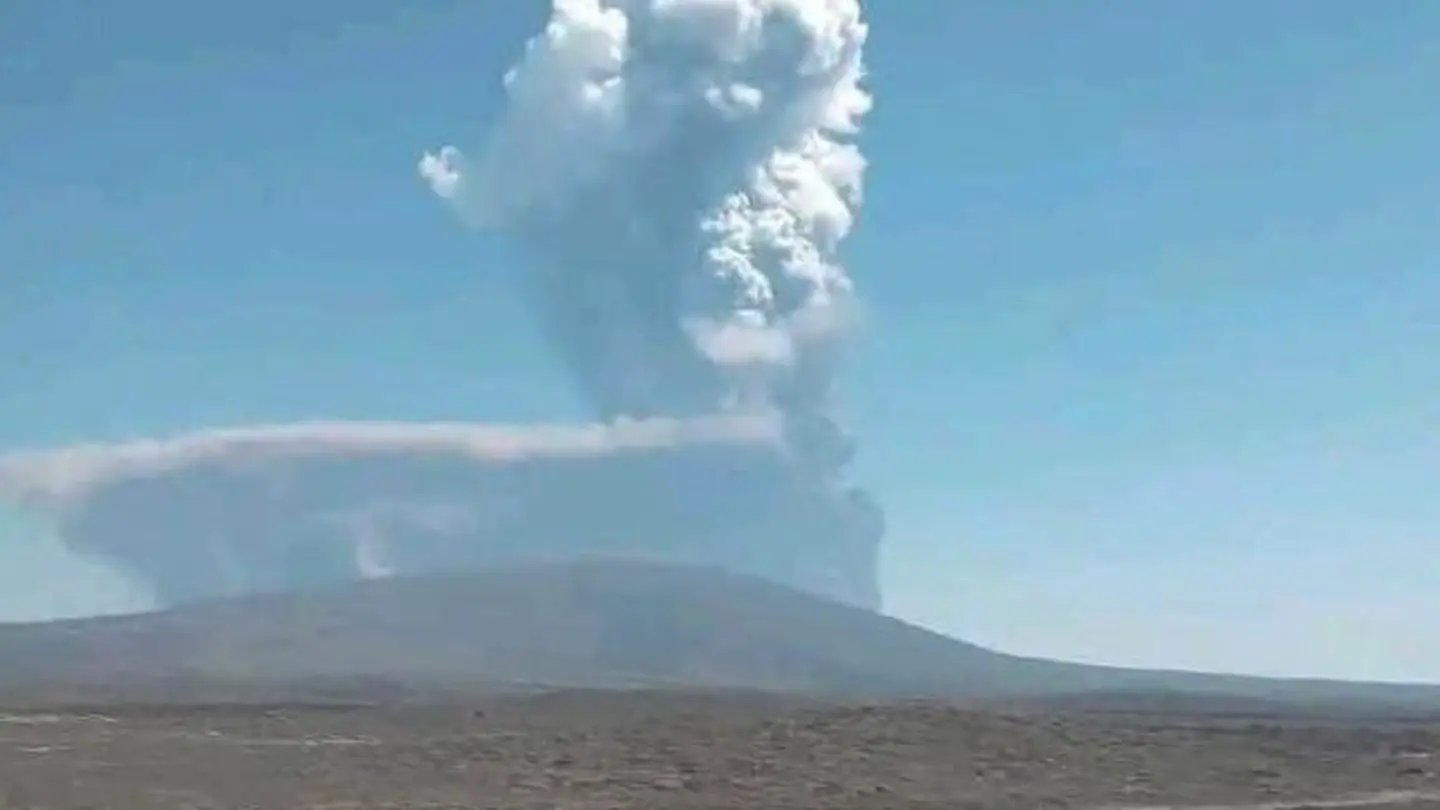
The Hayli Gubbi volcano in Ethiopia has erupted for the first time in approximately 10,000 years, according to recent reports. The eruption has resulted in a massive ash cloud that has garnered international attention, raising concerns about potential impacts on air travel and local communities.
The volcano, located in the Afar Region of Ethiopia, a volcanically active area, had been dormant for millennia. The cause of the eruption is currently under investigation by volcanologists, who are analyzing seismic data and satellite imagery to understand the underlying geological processes. The Afar Region is known for its tectonic activity, as it lies at the junction of three tectonic plates, making it prone to volcanic eruptions and earthquakes.
Volcanic Ash Cloud and Its Impact
The most immediate concern arising from the eruption is the extensive ash cloud. Volcanic ash is composed of tiny particles of rock and glass, which can pose significant hazards to aircraft engines. When ingested, the ash can melt and solidify within the engine, causing it to stall or fail. As a result, aviation authorities are closely monitoring the ash cloud’s movement and issuing warnings to airlines to avoid affected airspace.
Local communities are also facing challenges due to the ashfall. The ash can contaminate water sources, damage crops, and cause respiratory problems. Emergency response teams are working to distribute clean water and provide medical assistance to those affected. The long-term effects of the ashfall on agriculture and human health are also being assessed.
Scientific Significance and Monitoring Efforts
The eruption of Hayli Gubbi is of significant interest to scientists, providing a rare opportunity to study volcanic processes in a relatively unexplored region. Researchers are collecting ash samples and monitoring gas emissions to gain insights into the volcano’s magma composition and behavior. This data will help improve our understanding of volcanic eruptions and refine predictive models.
The Ethiopian government, in collaboration with international scientific organizations, is enhancing its volcano monitoring capabilities. This includes deploying additional seismic sensors, improving satellite-based monitoring, and training local personnel to respond to future volcanic events. The goal is to provide timely warnings to communities at risk and minimize the impact of volcanic hazards.
The Hayli Gubbi eruption serves as a reminder of the dynamic nature of our planet and the importance of continued research and monitoring of volcanic activity. The lessons learned from this event will be invaluable in mitigating the risks posed by volcanoes around the world.
Image Source: Google | Image Credit: Respective Owner