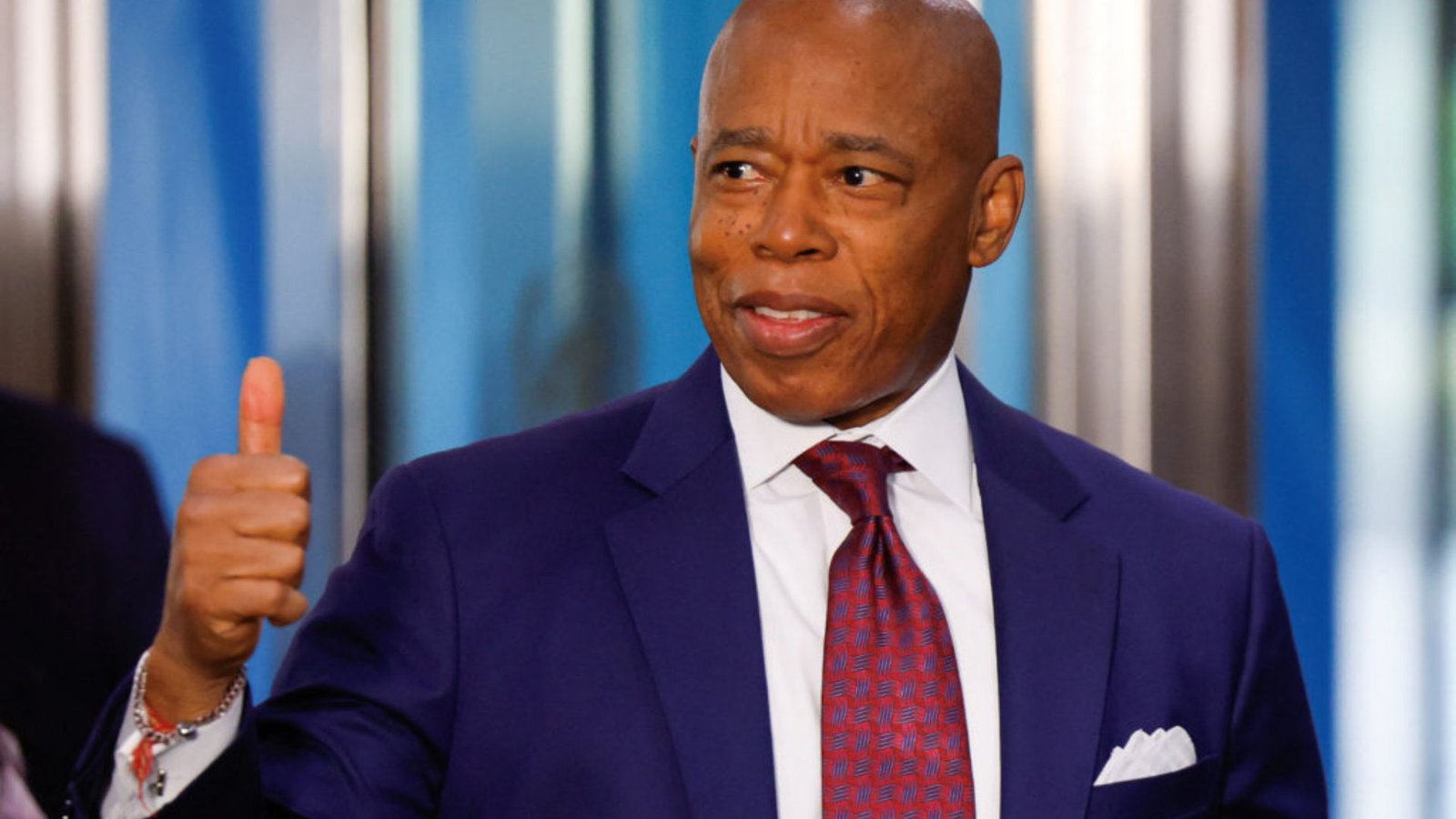
In a surprising turn of events, New York City Mayor Eric Adams has reportedly withdrawn from the mayoral race, potentially boosting the prospects of Zohran Mamdani, an incumbent. The news, initially reported by Hindustan Times, has sent ripples through the political landscape of the city.
The reasons behind Adams’ decision to step aside remain somewhat unclear, though various sources suggest a confluence of factors. These include mounting pressure from ongoing investigations into his campaign finances, coupled with a dip in his approval ratings among key demographics. Furthermore, internal conflicts within the Democratic party are believed to have played a significant role in his decision.
Impact on the Race
Adams’ exit dramatically alters the dynamics of the mayoral race. Prior to his withdrawal, he was considered a formidable candidate, backed by significant financial resources and established connections within the city’s political establishment. His absence leaves a void at the top of the field, creating an opportunity for other candidates to gain momentum.
Zohran Mamdani, a progressive figure known for his advocacy on issues such as affordable housing and climate change, stands to benefit significantly from this development. While initially considered an underdog, Mamdani’s campaign has gained traction in recent months, particularly among younger voters and those disillusioned with the traditional political establishment. With Adams out of the picture, Mamdani’s message of change and reform may resonate even more strongly with the electorate.
However, Mamdani is not the only candidate vying for the mayor’s office. Several other prominent figures have already announced their intentions to run, representing a diverse range of political ideologies and backgrounds. These include seasoned politicians with decades of experience in public service, as well as newcomers eager to shake up the status quo. The race is expected to be highly competitive, with candidates battling for endorsements, fundraising dollars, and the support of influential interest groups.
Challenges Ahead
Whoever ultimately wins the mayoral election will face a myriad of challenges. New York City continues to grapple with issues such as rising crime rates, income inequality, and a struggling public transportation system. The next mayor will need to address these challenges head-on, implementing innovative policies and forging partnerships with community stakeholders.
The city also faces ongoing economic uncertainty in the wake of the COVID-19 pandemic. While some sectors have rebounded strongly, others continue to struggle, particularly small businesses and the hospitality industry. The next mayor will need to develop strategies to stimulate economic growth and create jobs, while also ensuring that all New Yorkers have access to opportunities.
The political climate in New York City is also deeply polarized, reflecting broader trends across the country. The next mayor will need to bridge these divides, building consensus and working collaboratively with diverse groups to address the city’s challenges. This will require strong leadership skills, a willingness to listen to different perspectives, and a commitment to finding common ground.
The coming months will be crucial as candidates ramp up their campaigns, outlining their visions for the city and vying for the support of voters. The election promises to be a closely watched contest, with the outcome having significant implications for the future of New York City.
Image Source: Google | Image Credit: Respective Owner