Easy bruising, a common ailment often dismissed as minor clumsiness, can sometimes signal an underlying nutritional deficiency. While occasional bumps and bruises are normal, frequent or excessive bruising, especially without a clear injury, warrants attention. Recent health reports, including coverage in Vogue, highlight Vitamin K as a key nutrient often linked to increased bruising susceptibility.
Vitamin K plays a vital role in blood clotting. It’s not a single vitamin, but a group of fat-soluble compounds essential for the production of proteins needed to stop bleeding. A deficiency in Vitamin K can impair the body’s ability to form clots, leading to blood accumulating under the skin and manifesting as bruises. This is particularly concerning for individuals on blood thinners, as Vitamin K can interact with these medications.
Understanding Vitamin K
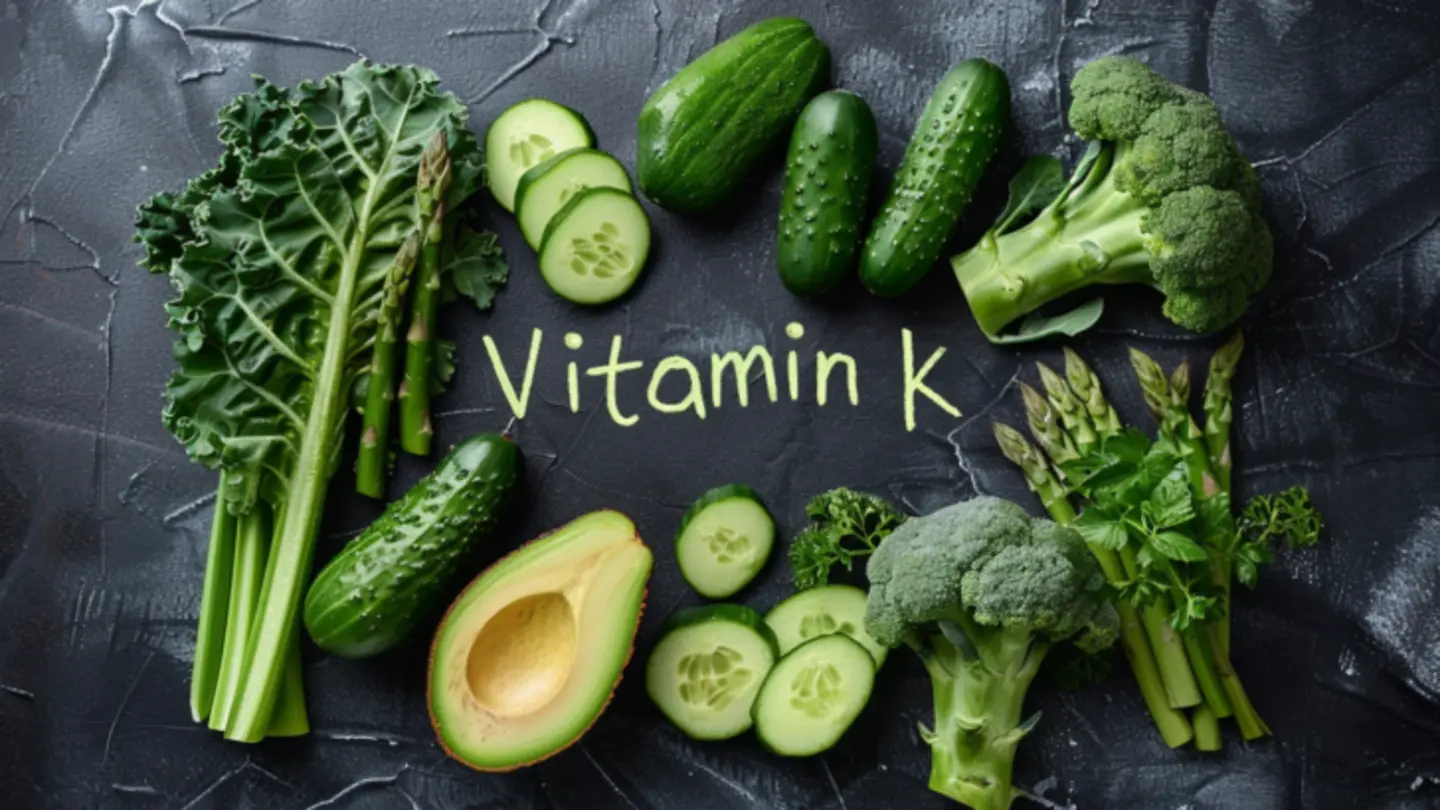
There are two main forms of Vitamin K: K1 (phylloquinone), found primarily in leafy green vegetables like spinach, kale, and broccoli, and K2 (menaquinone), found in fermented foods and some animal products. The body doesn’t store Vitamin K well, meaning regular intake is crucial. While severe Vitamin K deficiency is rare, particularly in adults, suboptimal levels can contribute to bruising, prolonged bleeding from cuts, and even more serious health issues.
However, it’s important to note that easy bruising isn’t *always* due to Vitamin K deficiency. Other potential causes include low levels of Vitamin C, deficiencies in platelets (thrombocytopenia), certain medications (like aspirin and ibuprofen), aging skin, and underlying medical conditions such as liver disease or Von Willebrand disease. Therefore, self-diagnosing is not recommended.
Symptoms beyond easy bruising that might indicate a more serious problem include frequent nosebleeds, heavy menstrual periods, blood in the urine or stool, and bleeding gums. If you experience these alongside unexplained bruising, seeking medical advice is paramount.
Increasing Vitamin K intake through diet is generally safe and effective for those with mild deficiencies. Incorporating a variety of leafy greens into your meals is a good starting point. Fermented foods like natto (fermented soybeans) are excellent sources of K2, though their taste may not appeal to everyone. Supplements are available, but it’s best to consult a doctor before starting any new supplement regimen, especially if you are taking blood thinners like warfarin.
Doctors can assess Vitamin K levels through a simple blood test. They can then recommend appropriate dietary changes or supplementation based on individual needs. Addressing potential deficiencies, alongside ruling out other medical causes, is the best approach to managing unexplained and frequent bruising. Maintaining a balanced diet rich in essential vitamins and minerals is a cornerstone of overall health and can significantly reduce the risk of nutritional deficiencies contributing to various health concerns.
Ultimately, while a Vitamin K deficiency can be a contributing factor to easy bruising, it’s crucial to consider the broader picture and consult with a healthcare professional for accurate diagnosis and personalized treatment.
Image Source: Google | Image Credit: Respective Owner