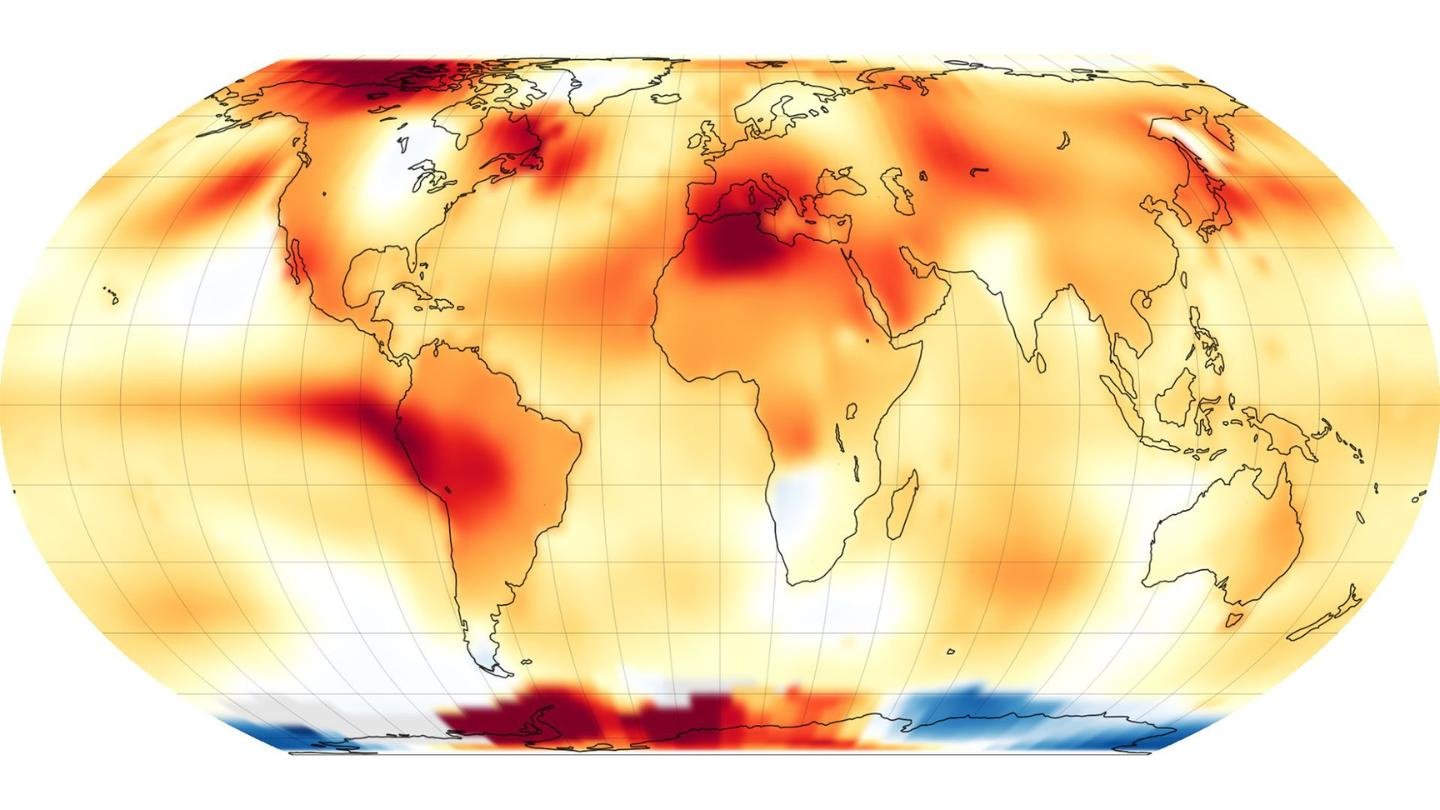
The year 2023 saw the planet’s oceans undergo the most extreme and prolonged marine heatwaves ever recorded, with some lasting more than 500 days and impacting 96% of global waters. Scientists say these unprecedented events could signal that Earth’s climate system is approaching a dangerous tipping point.
Unprecedented Heat and Widespread Damage
Marine heatwaves (MHWs) occur when ocean temperatures remain far above normal for extended periods. In 2023, their scale, duration, and intensity shattered all previous records. These temperature spikes caused mass coral bleaching, disrupted marine food chains, and threatened global fisheries — endangering both ecosystems and the livelihoods that depend on them.
Researchers have linked the increase in frequency and severity of MHWs directly to human-driven climate change.
The 2023 Global Hotspots
Major regions affected included:
- North Atlantic – Heatwave began in mid-2022 and lasted an unprecedented 525 days.
- Tropical Eastern Pacific – Saw temperature rises up to 1.63°C during early El Niño conditions.
- North Pacific and Southwest Pacific – Experienced record-breaking coverage and persistence.
These four regions alone accounted for 90% of the total ocean heat anomalies recorded last year.
Why It Happened
A global study led by Tianyun Dong and colleagues used satellite data and high-resolution ocean analysis from the ECCO2 project to pinpoint the drivers of these heatwaves. Key factors included:
- Increased sunlight due to reduced cloud cover
- Weaker wind patterns
- Unusual shifts in ocean currents
- Changes in upper-ocean stratification, trapping more heat near the surface
These combined effects intensified and prolonged the heatwaves far beyond historical averages — in some cases four times longer than normal.
A Warning for the Future
Scientists caution that the magnitude and persistence of the 2023 heatwaves may represent a shift in the relationship between the ocean and atmosphere, potentially marking the early stages of climate system destabilization.
With oceans playing a critical role in regulating Earth’s temperature, sustained heat spikes of this scale could have cascading effects on weather, sea levels, and biodiversity.
Image Source: Google Images
Image Credit: Respective Owner