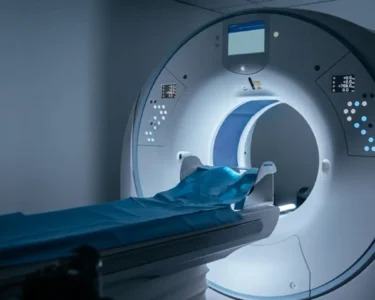
Experts emphasize the significance of early intervention and increased awareness in mitigating the growing burden of cancer. Highlighting the preventable nature of a significant portion of cancer cases, they advocate for proactive measures and widespread education to empower individuals to make informed decisions about their health. The focus is on promoting healthy lifestyles, encouraging regular screenings, and fostering a deeper understanding of cancer risk factors.
Preventive Measures and Lifestyle Choices
A substantial percentage of cancers are linked to modifiable risk factors, underscoring the importance of preventive measures. Experts advocate for the adoption of healthy lifestyle choices, including maintaining a balanced diet, engaging in regular physical activity, and avoiding tobacco and excessive alcohol consumption. These lifestyle modifications can significantly reduce the risk of developing various types of cancer. Public health campaigns play a crucial role in disseminating information about these preventive measures and encouraging individuals to take proactive steps to protect their health. By empowering individuals to make informed choices, the incidence of preventable cancers can be substantially reduced, thereby easing the overall burden on healthcare systems.
Importance of Early Detection
Early detection is paramount in improving cancer survival rates. Regular screenings, such as mammograms for breast cancer and colonoscopies for colorectal cancer, can identify precancerous lesions or early-stage tumors, allowing for timely intervention and treatment. Increased awareness about the importance of early detection can encourage individuals to undergo recommended screenings, even in the absence of symptoms. Public health initiatives should prioritize educating the public about the benefits of early detection and addressing any barriers that may prevent individuals from accessing screening services. By detecting cancer at an early stage, treatment options are often more effective, leading to improved outcomes and a better quality of life for patients.
Addressing Disparities in Cancer Care
Significant disparities exist in cancer care access and outcomes across different populations. Factors such as socioeconomic status, geographic location, and cultural beliefs can influence an individual’s ability to access timely and appropriate cancer care. Addressing these disparities is crucial to ensuring equitable access to prevention, screening, treatment, and supportive care services for all individuals. Targeted interventions are needed to reach underserved communities and address specific barriers they may face. This includes increasing awareness about cancer risk factors and screening recommendations, providing culturally sensitive education materials, and offering transportation assistance to facilitate access to healthcare services. By addressing disparities in cancer care, we can improve outcomes for all individuals, regardless of their background or circumstances.
The collective efforts of healthcare professionals, policymakers, and the public are essential in reducing the burden of cancer. By prioritizing prevention, promoting early detection, and addressing disparities in care, we can work towards a future where cancer is less prevalent and more treatable.
Image Source: Google | Image Credit: Respective Owner