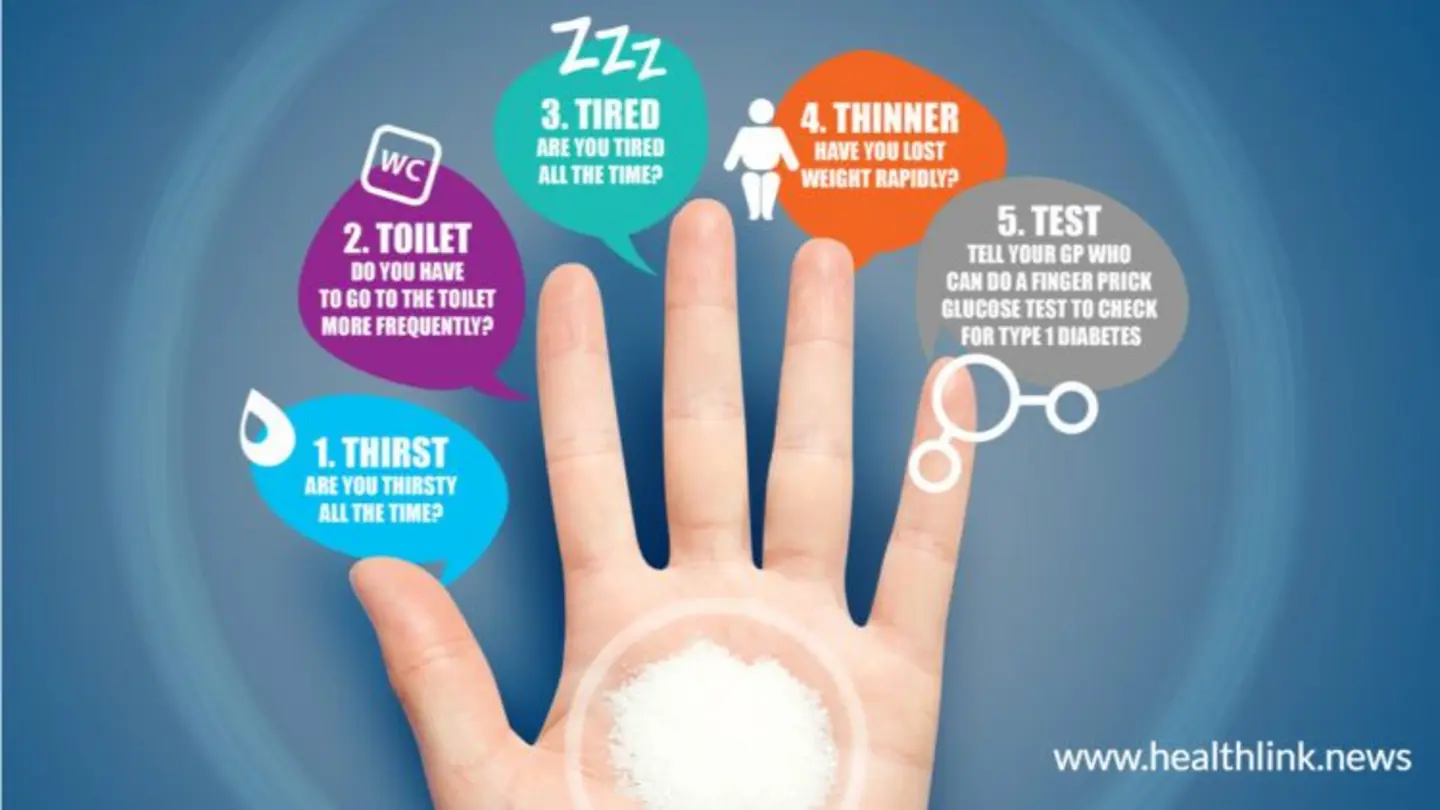
Diabetes, a chronic metabolic disorder, affects millions worldwide. Early detection is crucial for managing the condition and preventing severe complications. Recognizing the subtle signs and symptoms can lead to timely diagnosis and intervention, improving long-term health outcomes.
Common Early Warning Signs
One of the most frequently reported early signs of diabetes is persistent fatigue. This isn’t the usual tiredness after a long day; it’s an overwhelming exhaustion that doesn’t improve with rest. This fatigue stems from the body’s inability to efficiently convert glucose into energy due to insulin deficiency or resistance.
Blurry vision is another common indicator. High blood sugar levels can cause the lens of the eye to swell, leading to temporary vision changes. While this often resolves as blood sugar levels stabilize, recurrent episodes can damage the delicate blood vessels in the retina, potentially leading to long-term vision problems if left unmanaged.
Increased thirst and frequent urination, particularly at night, are classic symptoms. When excess sugar builds up in the bloodstream, the kidneys work overtime to filter and absorb it. If they can’t keep up, the excess sugar is excreted in the urine, drawing fluids from the tissues and leading to dehydration, hence the increased thirst.
Unexplained weight loss, despite normal or even increased appetite, can also signal diabetes. When the body can’t use glucose for energy, it starts breaking down fat and muscle for fuel, resulting in weight loss. This is more common in type 1 diabetes but can also occur in type 2 diabetes.
Slow-healing cuts and bruises are another cause for concern. High blood sugar impairs the body’s ability to repair itself, increasing the risk of infections and delaying wound healing. This is because elevated glucose levels can damage blood vessels and impair the function of immune cells.
Numbness or tingling in the hands and feet, known as peripheral neuropathy, can occur due to nerve damage from prolonged high blood sugar. This can start as a mild tingling sensation and gradually progress to numbness, pain, or even loss of sensation in the affected areas.
Other Potential Indicators
Other less common but important signs include frequent infections, such as yeast infections or skin infections. Darkening of the skin in areas like the armpits and neck, known as acanthosis nigricans, can also indicate insulin resistance. Additionally, some individuals may experience dry, itchy skin as a result of dehydration and poor circulation.
If you experience one or more of these symptoms, it’s crucial to consult a healthcare professional for proper evaluation and diagnosis. Early diagnosis and management can significantly reduce the risk of complications and improve the quality of life for individuals with diabetes. A simple blood test can determine your blood sugar levels and help identify whether further investigation is needed. Lifestyle modifications, such as diet and exercise, are key in managing diabetes.
Image Source: Google | Image Credit: Respective Owner