Early diagnosis of Alzheimer’s disease is vital for effective treatment and management, countering the misconception that it’s simply an inevitable part of aging, according to The Hindu. This neurological disorder, characterized by progressive cognitive decline, significantly impacts memory, thinking, and behavior. Recognizing the early signs and symptoms can lead to interventions that improve the quality of life for both patients and their caregivers.
Understanding Alzheimer’s Disease
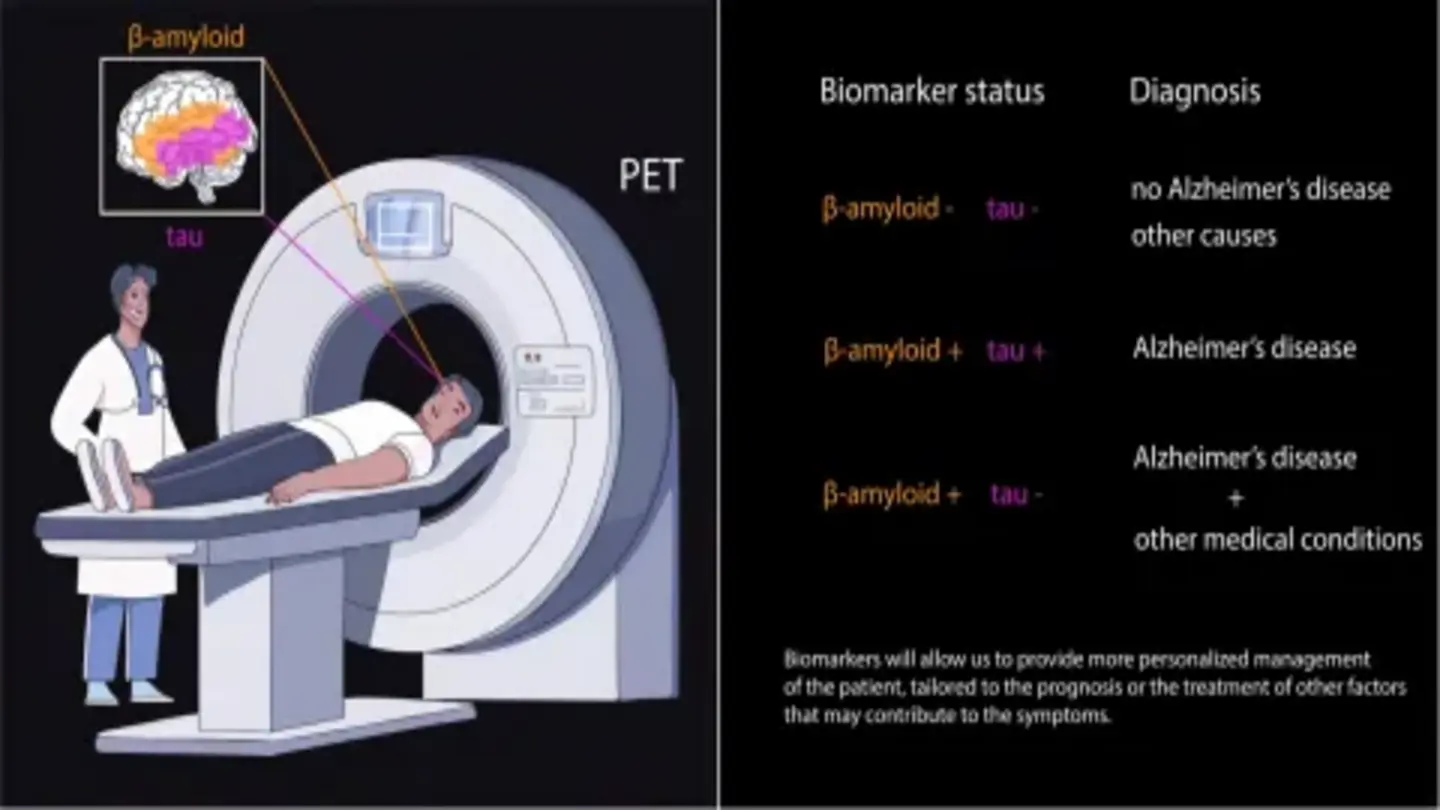
Alzheimer’s disease is the most common cause of dementia, a general term for a decline in mental ability severe enough to interfere with daily life. While age is a significant risk factor, Alzheimer’s is not a normal part of aging. The disease is characterized by the accumulation of amyloid plaques and tau tangles in the brain, which disrupt neuronal function and lead to cell death.
Importance of Early Diagnosis
Early diagnosis allows for timely access to treatments that can help manage symptoms and potentially slow the progression of the disease. While there is currently no cure for Alzheimer’s, medications such as cholinesterase inhibitors and memantine can help improve cognitive function and reduce behavioral symptoms. Early intervention also provides individuals and their families with the opportunity to plan for the future, including financial and legal arrangements, as well as long-term care options.
Challenges in Diagnosis
One of the challenges in diagnosing Alzheimer’s disease is that the early symptoms can be subtle and may be mistaken for normal age-related cognitive decline. Common early signs include memory loss that disrupts daily life, difficulty with planning or problem-solving, confusion with time or place, and changes in mood or personality. Furthermore, some individuals may be reluctant to seek medical attention due to fear or denial. Improved awareness and education are crucial to encourage people to seek evaluation at the first signs of cognitive impairment.
Advancements in Diagnostic Tools
Advancements in diagnostic tools are improving the accuracy and speed of Alzheimer’s diagnosis. These include brain imaging techniques such as PET scans and MRI, which can detect amyloid plaques and tau tangles in the brain. Blood tests are also being developed to identify biomarkers associated with Alzheimer’s disease. These advances hold promise for earlier and more accurate diagnosis, leading to better treatment outcomes.
The Role of Lifestyle Modifications
In addition to medical treatments, lifestyle modifications can play a significant role in managing Alzheimer’s disease. Regular exercise, a healthy diet, cognitive stimulation, and social engagement can help maintain cognitive function and improve overall well-being. These interventions are most effective when implemented early in the course of the disease.
Raising awareness about the importance of early diagnosis and providing access to comprehensive care and support services are essential to improve the lives of individuals and families affected by Alzheimer’s disease. By challenging the misconception that Alzheimer’s is simply old age, we can encourage timely intervention and optimize treatment outcomes.
Image Source: Google | Image Credit: Respective Owner