Market Rebound After Volatile Week
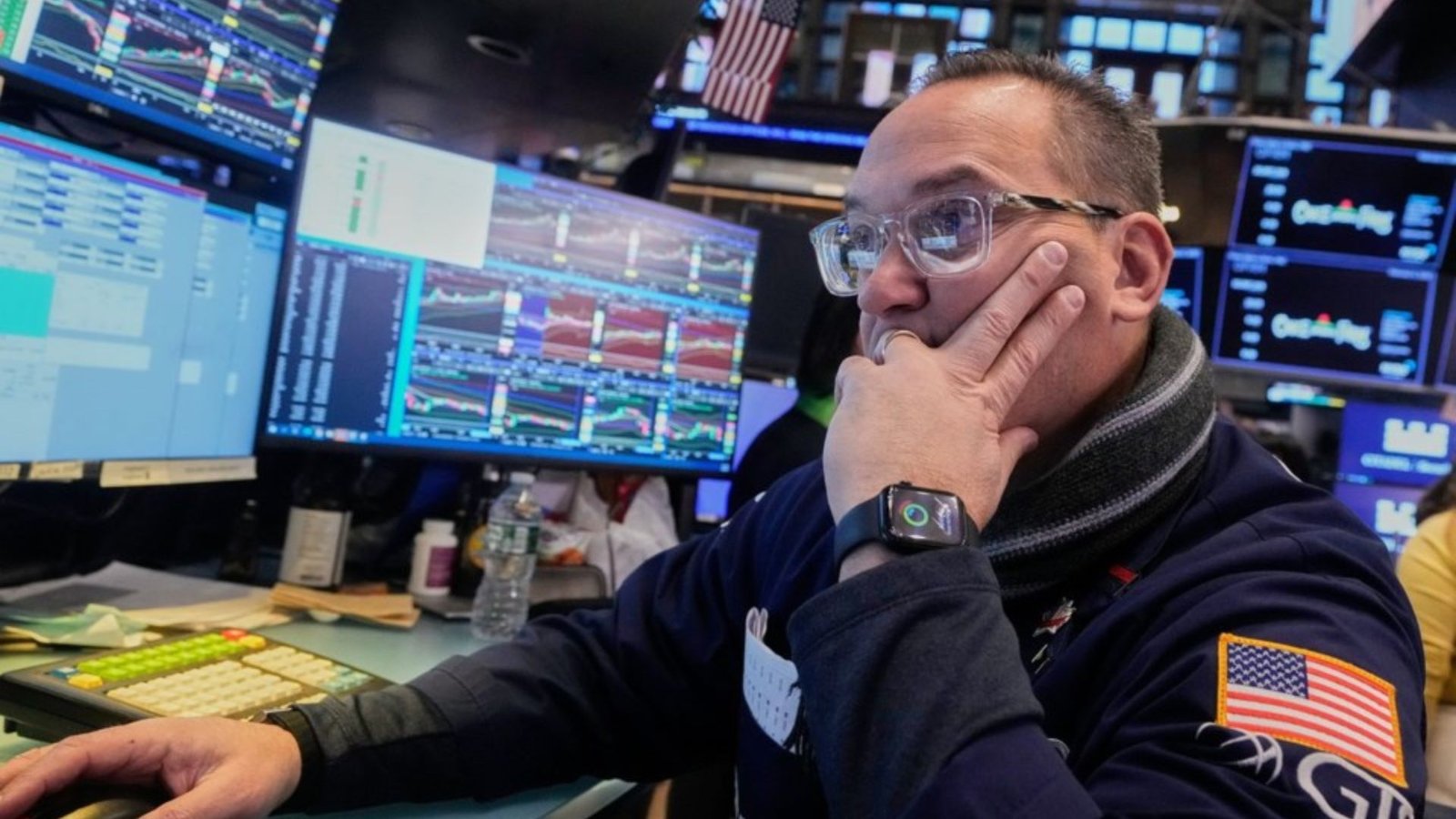
The Dow Jones Industrial Average closed above the 50,000 threshold for the first time on Tuesday, a milestone that underscores the resilience of the broader market following a three‑day sell‑off that tested investor nerves.
Technology and consumer discretionary groups drove the advance, posting combined gains of roughly 2.5 percent, while financials and industrials contributed modest but steady increases that helped lift the index overall.
Analysts attributed the rally to renewed confidence in corporate earnings, which have remained robust despite sticky inflation and a slowing global economy, and to technical buying that emerged after the market found support near the 48,000 level.
Investor sentiment improved as the yield curve stabilized, easing concerns that aggressive monetary tightening might trigger a recession, and as corporate guidance from several blue‑chip firms signaled continued profit growth.
Meanwhile, Bitcoin’s price surged past $70,000, marking its strongest weekly gain since early March and rekindling optimism among digital‑asset investors who have endured prolonged corrections.
The cryptocurrency market’s rebound was fueled by renewed institutional interest, with several hedge funds and asset managers increasing exposure to Bitcoin‑linked products, and by a broader shift toward risk‑on assets in the wake of easing credit spreads.
Economists warned that while the current rally appears sustainable, it remains contingent on upcoming economic data, especially the release of consumer price index figures and employment reports, which could influence central‑bank policy decisions.
In corporate news, several major retailers reported better‑than‑expected quarterly sales, bolstering hopes that consumer spending remains resilient, while technology giants continued to roll out incremental product updates that analysts expect to sustain earnings momentum.
Overall, the market’s trajectory reflects a delicate balance: optimism about earnings and policy easing coexists with caution over inflation persistence, and the interplay between traditional equity indices and digital‑currency dynamics is likely to shape investment strategies in the coming weeks.
The 50,000 level is symbolic, representing a culmination of steady gains since the index first broke the 40,000 barrier in early 2023, and it reflects a broader shift toward higher‑valued equities that have accumulated over multiple earnings cycles and supportive fiscal policies.
Looking ahead, market participants expect volatility to persist as monetary policy remains tentative, but the combination of solid corporate balance sheets and ongoing innovation in sectors such as renewable energy and artificial intelligence may provide a floor for equities while also attracting fresh capital.
Investors are advised to maintain diversification and monitor macro indicators for any shifts that could alter the current upward trajectory.
Image Source: Google | Image Credit: Respective Owner