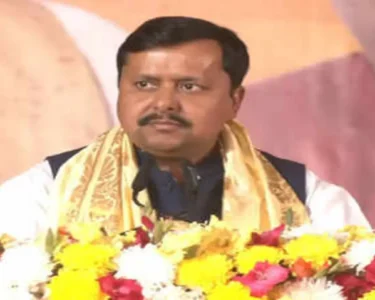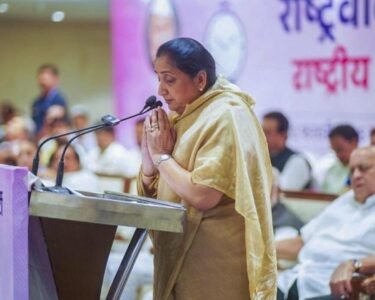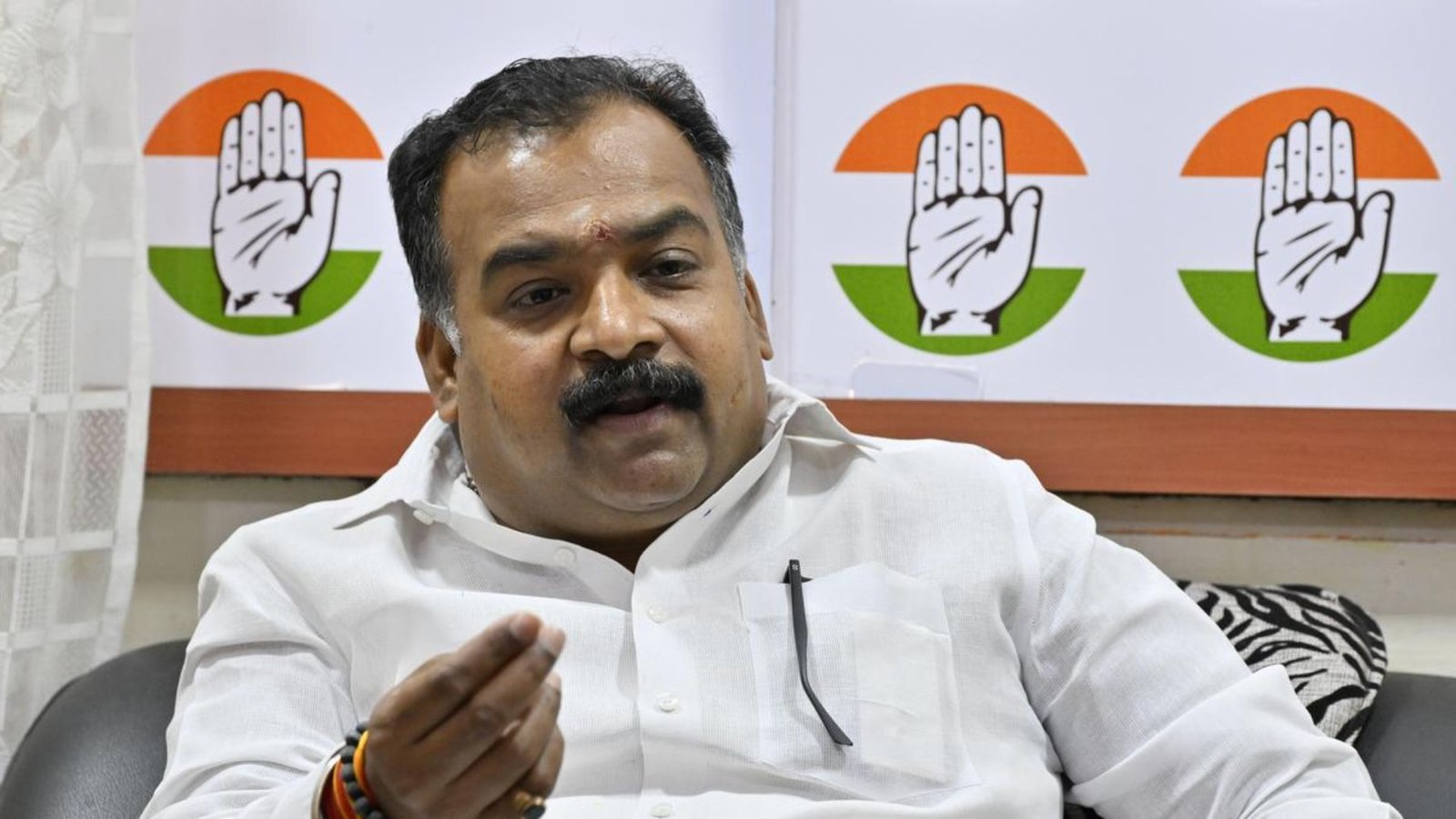
As the Tamil Nadu Assembly elections approach, the Dravida Munnetra Kazhagam (DMK) has set a strict precondition for seat-sharing negotiations with the Indian National Congress: immediate action against two senior ministers, Manickam Tagore and Praveen Chakravarty, over alleged corruption charges. Sources indicate that the DMK leadership believes accountability must precede any electoral strategy, fearing public backlash if corruption allegations intertwine with the state’s political future.
Governance and Accountability at Stake
Earlier this year, both ministers faced corruption accusations linked to a high-profile case involving alleged misuse of funds. Tagore, a controversial figure in Tamil Nadu politics, was tied to a predatory loan scheme alleged to exploit small businesses. Chakravarty, his deputy, was implicated in a separate case involving unverified loan disbursements. The DMK, citing public mandate, insists that neither minister should participate in the 2026 Assembly elections unless cleared by the Central Bureau of Investigation (CBI), which is currently investigating the claims.
This stance highlights the DMK’s balancing act between fork-focused outreach to its alliance partner and maintaining grassroots trust. While the party has historically prioritized political pragmatism, recent protests in urban areas suggest growing voter concern over accountability. The DMK’s demand reflects a shift toward prioritizing governance reforms over purely populist measures ahead of the polls. If Congress accedes, the alliance could strengthen its electoral pitch. However, a refusal might deepen party divisions, risking pre-poll collaboration.
The state’s political landscape has been volatile since the DMK-led alliance lost its majority in 2021. The inclusion of Congress, a traditional rival, has been fraught with tension. Negotiations are reportedly tense, with the DMK seeking guaranteed leader roles for its Chief Minister M.K. Stalin and Deputy Chief Minister K. Palaniswamy. Party executive members stress that corruption cases must also be closed within six months to ensure voter support for the 2026 elections, signaling a hardline approach to governance.
Analysts argue that the DMK’s hardline stance could either galvanize public trust or provoke backlash from anti-corruption activists. Meanwhile, the Congress has historically resisted external pressures on its ministers, potentially creating friction. If seat-sharing talks collapse, Tamil Nadu could face yet another hung Assembly, delaying the formation of a new government. The 2026 elections are expected to be a critical test for Tamil Nadu’s unity under a single non-DMK leadership, with the stipulation over ministerial accountability likely to dominate political discourse until at least July 2025.
Image Source: Google | Image Credit: Respective Owner