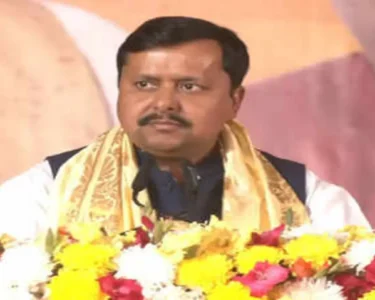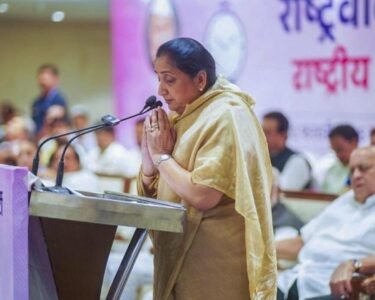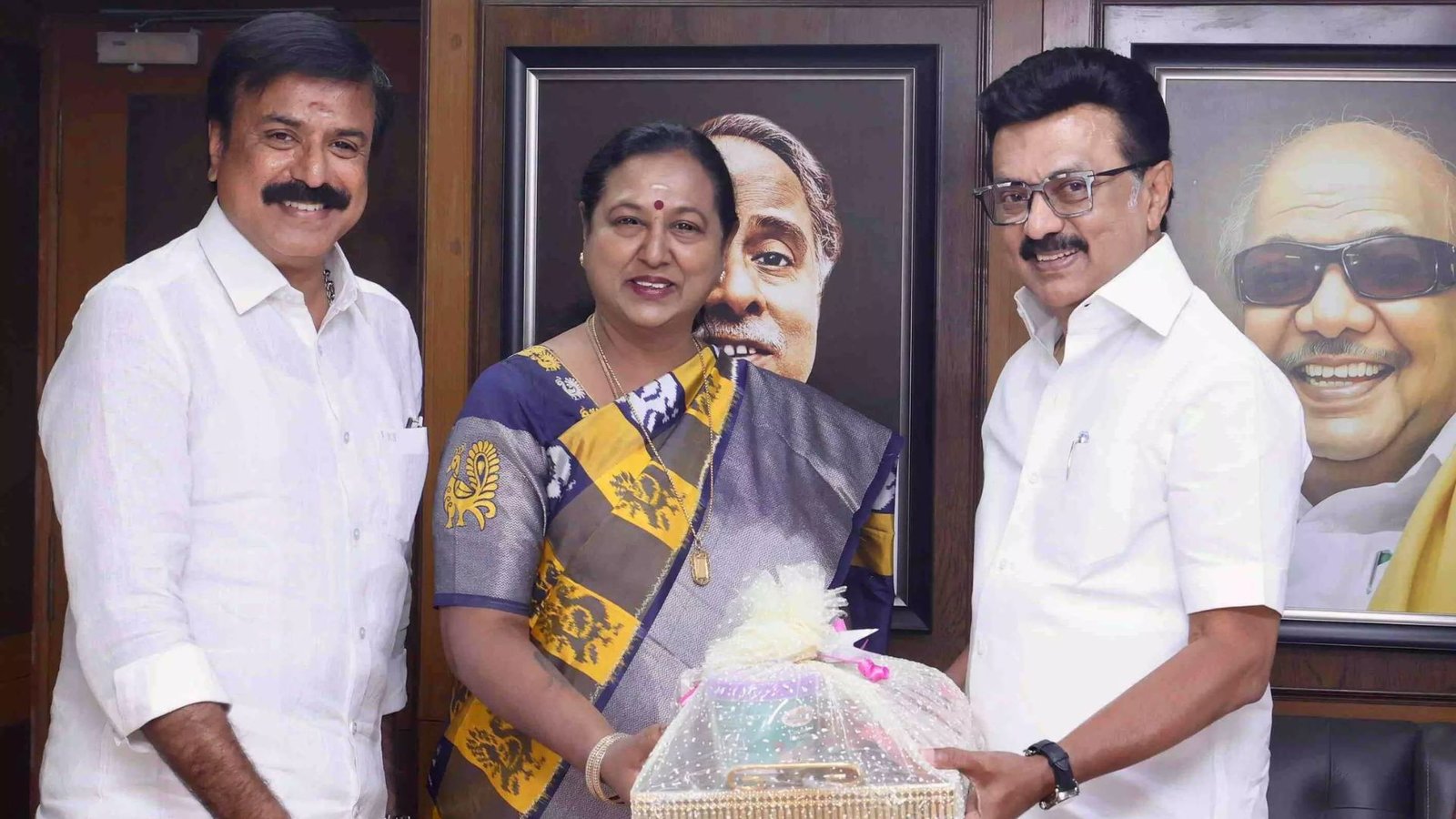
Chennai, Tamil Nadu – The political landscape of Tamil Nadu is undergoing a significant shift as the Desiya Murpokku Dravida Kazhagam (DMDK) has formally aligned with the DMK‑led alliance ahead of the upcoming state assembly elections. This coalition move, announced on Thursday, consolidates opposition forces against the incumbent AIADMK government and aims to broaden the electoral base by incorporating veteran leaders and grassroots supporters. Party insiders say the partnership reflects a strategic calculation to counter anti‑incumbency sentiment and to present a unified front among regional parties. The DMDK’s decision comes after weeks of negotiations, during which senior leaders from both formations emphasized the need for a collaborative platform that could address key voter concerns such as unemployment, agrarian distress, and infrastructure development. In a joint press conference, DMK president M. K. Stalin highlighted that the alliance would field a coordinated candidate list, ensuring that party symbols and campaign resources are shared to maximize electoral impact. Analysts note that the inclusion of DMDK’s cadre, especially in districts with strong Dravidian politics, could sway undecided voters who have traditionally supported smaller regional outfits. Moreover, the alliance signals a broader realignment in South Indian politics, where parties are increasingly seeking to pool resources to challenge the dominance of established incumbents. The move also places pressure on the AIADMK to recalibrate its campaign narrative, prompting the ruling party to intensify its outreach programs and policy‑driven manifestos to capture the electorate’s attention. The election commission has confirmed that the voter registration drive remains on schedule, and all registered parties are expected to submit their candidate lists within the stipulated deadline. As the campaign season progresses, both the DMK‑led alliance and the AIADMK are likely to focus on digital outreach, grassroots mobilization, and policy‑driven manifestos to capture the electorate’s attention. The coming months will test the durability of this partnership, as internal disagreements and external challenges could test its resilience. Ultimately, the alliance’s success will depend on its ability to translate political unity into electoral gains, offering a decisive verdict on Tamil Nadu’s governance trajectory.
Political Outlook
Political analysts also caution that while the coalition boosts the opposition’s numerical strength, it may face internal strains as divergent ideologies clash over candidate selection and campaign tactics. Observers point out that the DMK must balance the assertive posture of its senior leadership with the DMDK’s emphasis on regional autonomy, lest the partnership disintegrates under pressure. Meanwhile, the AIADMK is expected to launch a series of welfare schemes aimed at appeasing key voter blocs, particularly in rural and coastal districts. If the alliance can maintain discipline, it may not only win a majority but also set a precedent for future multi‑party collaborations in the state, influencing national political narratives ahead of the upcoming general elections.
Image Source: Google | Image Credit: Respective Owner