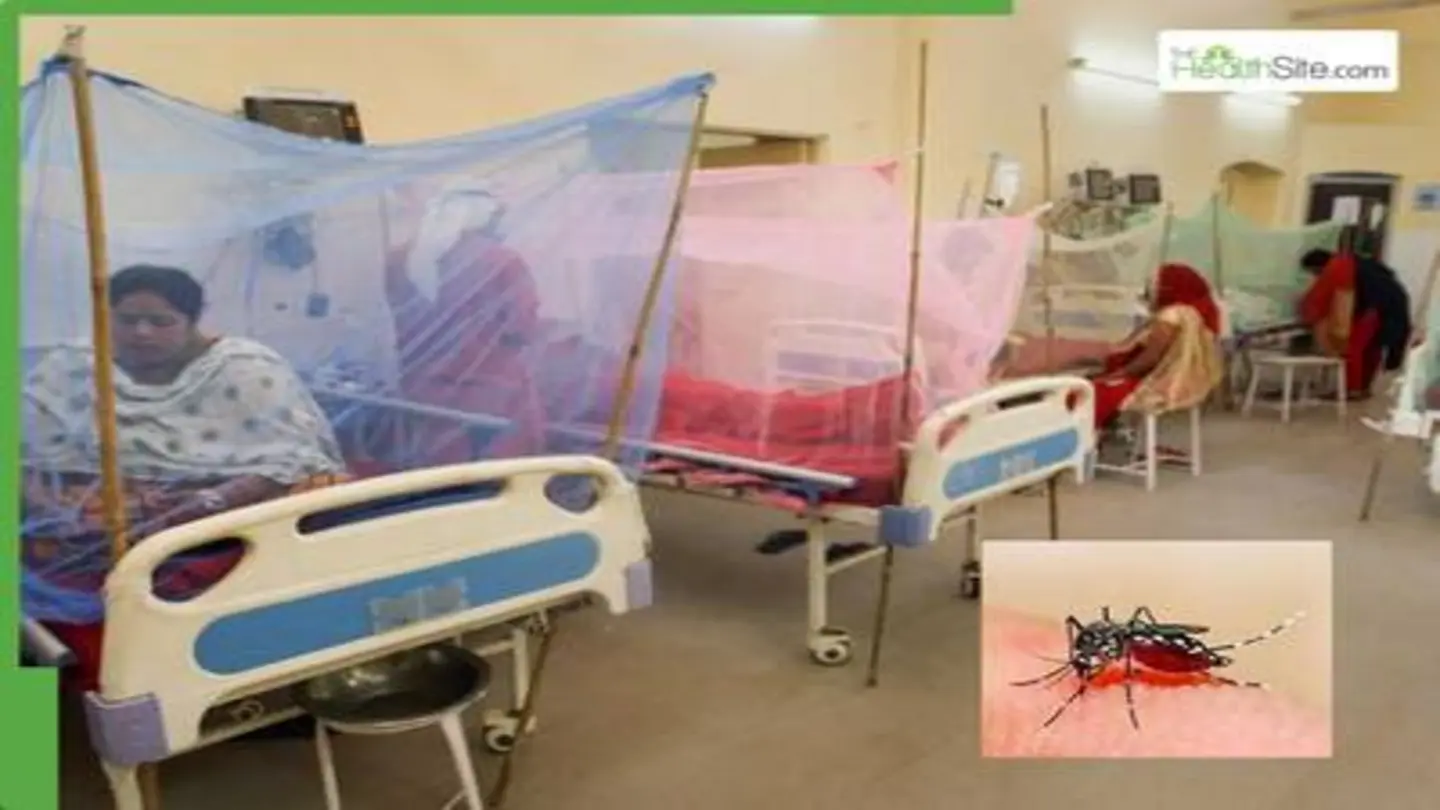
Authorities in Noida and Ghaziabad are grappling with a significant surge in dengue cases, prompting the deployment of 265 Rapid Response Teams (RRTs) to contain the outbreak. The surge has raised concerns among health officials and residents, leading to proactive measures to manage the situation effectively.
The rise in dengue cases necessitated immediate action, leading to the formation and deployment of the RRTs. These teams are tasked with conducting door-to-door surveys, identifying potential breeding grounds for mosquitoes, and educating the public about preventive measures. The teams also play a crucial role in ensuring timely diagnosis and treatment of dengue patients.
Response Measures
In addition to deploying RRTs, authorities have taken steps to regulate the pricing of dengue tests. The cost of these tests has been fixed at Rs 600 to prevent private diagnostic centers from overcharging patients. This measure aims to make testing more accessible and affordable, encouraging early detection and treatment. Furthermore, initiatives are underway to ensure adequate availability of testing kits and treatment facilities.
Health officials have launched extensive awareness campaigns to educate the public about dengue prevention. These campaigns highlight the importance of eliminating stagnant water sources, using mosquito repellents, and wearing protective clothing. Residents are urged to keep their surroundings clean and cooperate with the RRTs during their visits. Public health announcements are being disseminated through various channels, including print, electronic media, and community outreach programs.
The health departments of Noida and Ghaziabad are working in tandem to coordinate efforts and share resources. Regular meetings are being held to assess the situation and adjust strategies as needed. Surveillance activities have been intensified to track the spread of the disease and identify high-risk areas. Special attention is being given to vulnerable populations, such as children and the elderly.
Efforts are also being made to ensure that hospitals and healthcare facilities are adequately equipped to handle the increased number of dengue patients. Additional beds and medical staff have been allocated to dengue wards. Doctors and nurses are being trained on the latest treatment protocols. The goal is to provide quality care to all patients and minimize complications.
The local administrations are collaborating with resident welfare associations (RWAs) to promote community participation in dengue prevention. RWAs are organizing cleanliness drives and awareness programs in their respective areas. Residents are being encouraged to take ownership of their surroundings and actively participate in the fight against dengue.
The authorities remain vigilant and committed to controlling the dengue outbreak. Continuous monitoring and evaluation are being conducted to assess the effectiveness of the interventions. The focus is on early detection, prompt treatment, and community engagement to mitigate the impact of the disease. The health departments are urging residents to remain cautious and adopt preventive measures to protect themselves and their families from dengue.
Image Source: Google | Image Credit: Respective Owner