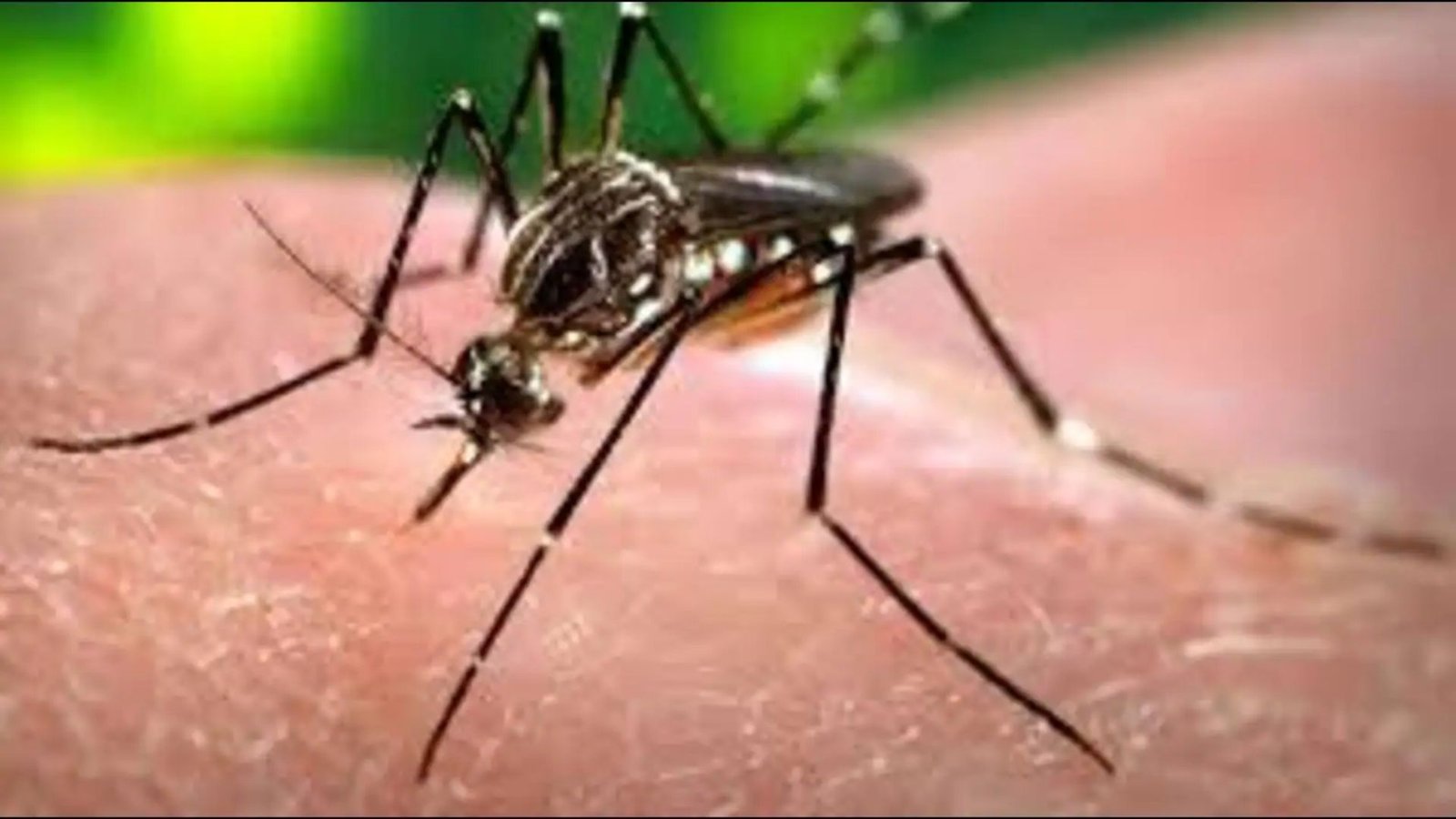
The Health Department in Mohali has intensified its efforts to control the spread of dengue fever after discovering dengue larvae in several schools across the district. This proactive measure aims to prevent a potential outbreak as the monsoon season, which typically sees a surge in mosquito breeding, progresses. Health officials are conducting thorough inspections of educational institutions and other public spaces to identify and eliminate breeding grounds.
The discovery of dengue larvae in schools has raised concerns among parents and school administrators. Dengue fever, a mosquito-borne viral illness, can cause severe flu-like symptoms, including high fever, headache, muscle and joint pain, and a characteristic skin rash. In severe cases, it can lead to dengue hemorrhagic fever, a life-threatening condition. The Health Department is working closely with school authorities to implement preventive measures and educate students and staff about the importance of maintaining a clean and mosquito-free environment.
Inspection and Prevention Measures
Health teams are visiting schools to inspect water storage containers, coolers, and other potential breeding sites. They are also providing guidance on how to properly clean and maintain these areas to prevent mosquito breeding. The department is emphasizing the need to regularly empty and scrub water containers, cover them securely, and use mosquito repellents. Fogging operations are also being conducted in and around schools to eliminate adult mosquitoes.
In addition to schools, the Health Department is targeting residential areas, construction sites, and other places where stagnant water can accumulate. Public awareness campaigns are being launched to educate people about the symptoms of dengue fever and the importance of seeking prompt medical attention. Residents are being encouraged to cooperate with health officials and take preventive measures in their homes and neighborhoods. These measures include eliminating standing water in flower pots, tires, and other containers, as well as using mosquito nets and repellents.
The Health Department has also urged local authorities to ensure proper sanitation and waste management practices. Improper disposal of waste can create breeding grounds for mosquitoes, increasing the risk of dengue transmission. Regular cleaning of drains and removal of garbage are essential to prevent mosquito breeding. The department is coordinating with municipal corporations and other local bodies to address these issues and implement effective vector control measures.
The department has also set up rapid response teams to address any reported cases of dengue fever promptly. These teams are responsible for investigating suspected cases, providing medical assistance, and implementing control measures to prevent further spread of the disease. The Health Department is also working to ensure that adequate supplies of diagnostic kits, medications, and other resources are available to manage any potential outbreak effectively. The ongoing efforts underscore the commitment of the Health Department to safeguarding public health and preventing the spread of dengue fever in Mohali.
Image Source: Google | Image Credit: Respective Owner