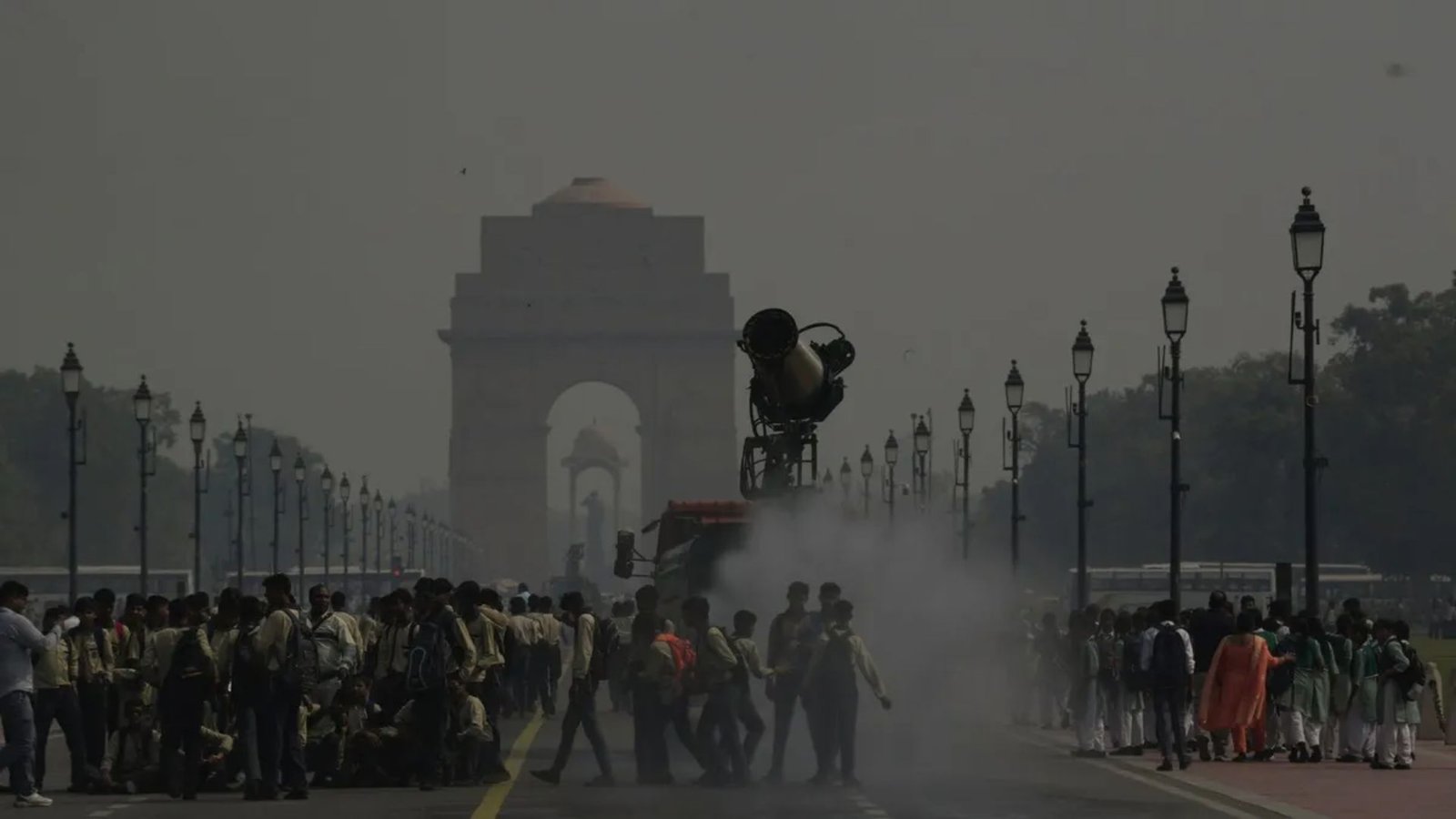
Diwali celebrations in Delhi brought a significant deterioration in air quality, with fireworks contributing to hazardous pollution levels across the city. According to the Times of India, 36 out of 38 monitoring stations in Delhi recorded air quality index (AQI) readings within the ‘red zone’, indicating unhealthy conditions. Furthermore, four stations registered ‘severe’ AQI levels exceeding 400, posing serious health risks to residents, particularly vulnerable groups such as children, the elderly, and those with respiratory ailments.
Extent of the Pollution
The surge in pollution levels began immediately after the bursting of firecrackers commenced on Diwali night. The Central Pollution Control Board (CPCB) data revealed a sharp spike in particulate matter (PM2.5 and PM10) concentrations. These tiny pollutants can penetrate deep into the lungs and bloodstream, causing a range of health problems, including respiratory infections, heart disease, and even cancer. The severe AQI readings underscore the magnitude of the environmental challenge facing Delhi, especially during festive seasons when the use of fireworks is widespread.
The ‘red zone’ designation signifies that the air quality is unhealthy for everyone, while the ‘severe’ category indicates a condition where even healthy individuals may experience adverse health effects. The spike in pollution levels raises concerns about the effectiveness of measures implemented to curb the use of firecrackers, including bans and restrictions. Experts point to the need for stricter enforcement and greater public awareness to mitigate the impact of Diwali celebrations on air quality.
Health Advisories and Precautions
In response to the alarming pollution levels, health advisories have been issued, urging people to limit outdoor activities, especially during early morning and late evening hours when pollution tends to be at its peak. Residents are also advised to wear masks, particularly N95 masks, to filter out harmful particulate matter. Additionally, individuals experiencing respiratory symptoms such as coughing, wheezing, or shortness of breath are encouraged to seek medical attention promptly. The government and healthcare providers are preparing for a potential surge in respiratory-related illnesses in the coming days.
The long-term solution to Delhi’s air pollution crisis requires a multi-faceted approach, including stricter emission standards for vehicles and industries, promotion of public transportation, and increased green cover. Addressing the issue of crop burning in neighboring states is also crucial, as it contributes significantly to the city’s pollution woes during certain times of the year. The Diwali experience serves as a stark reminder of the urgent need for collective action to safeguard public health and the environment.
Image Source: Google | Image Credit: Respective Owner