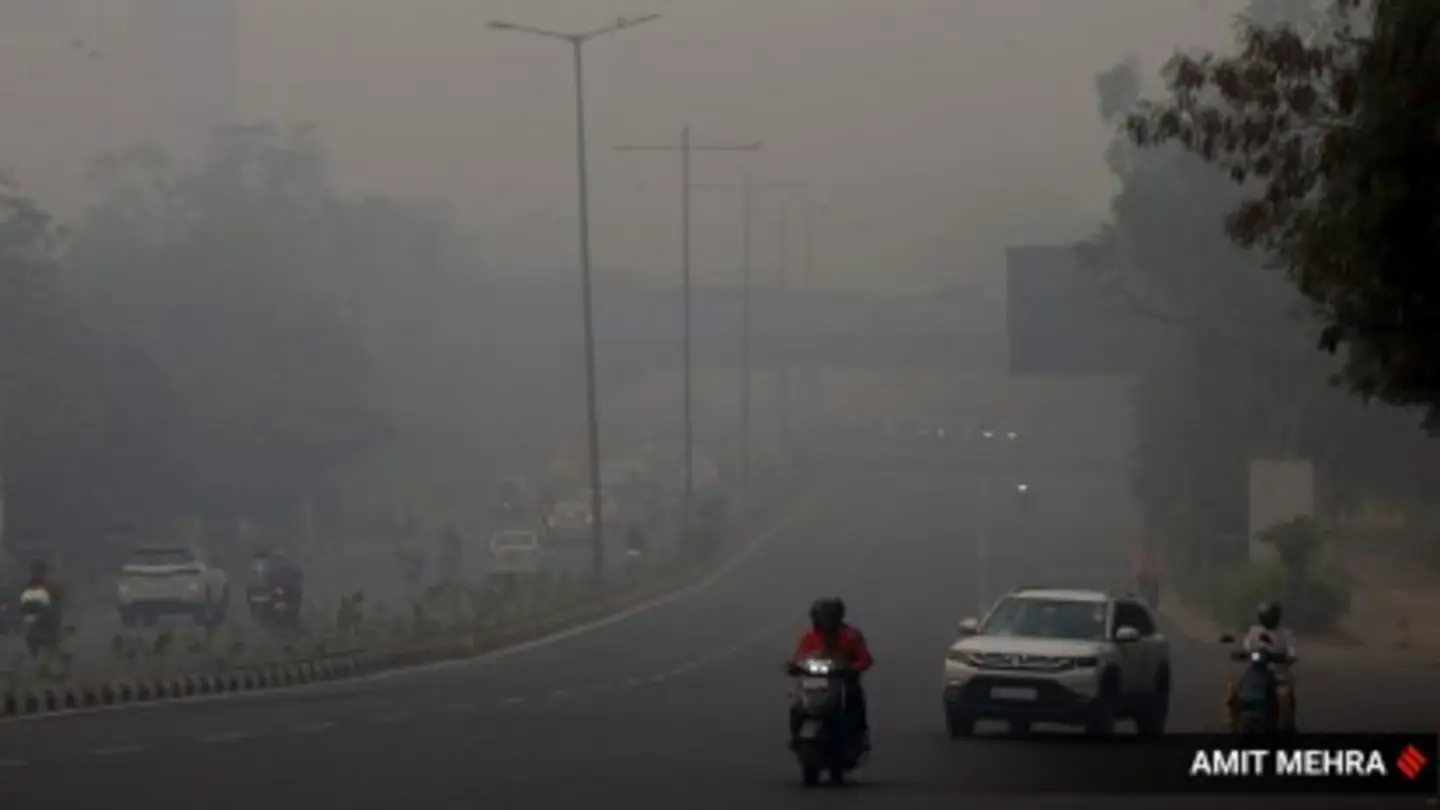
Delhi’s air quality has deteriorated, slipping back into the ‘very poor’ category, raising concerns among residents and environmentalists. The Air Quality Index (AQI) has consistently remained high, with experts predicting no significant improvement in the next six days. This prolonged period of toxic air poses a significant health risk to the city’s population, particularly vulnerable groups such as children, the elderly, and those with respiratory ailments.
The primary factors contributing to the deteriorating air quality include unfavorable meteorological conditions, such as low wind speed and stagnant air, which trap pollutants near the surface. Additionally, emissions from vehicular traffic, industrial activities, and the burning of agricultural residue in neighboring states exacerbate the problem. The combination of these factors creates a dense smog that blankets the city, reducing visibility and increasing the concentration of harmful particulate matter in the air.
Health Impacts and Advisory
The ‘very poor’ air quality has serious health implications. Exposure to high levels of pollutants can trigger respiratory problems, aggravate existing heart conditions, and increase the risk of stroke. Health authorities have issued advisories urging residents to take precautionary measures to protect themselves from the harmful effects of air pollution. These measures include minimizing outdoor activities, wearing masks when outdoors, and avoiding areas with heavy traffic or industrial activity. People with respiratory conditions are advised to keep their medication readily available and consult their doctor if they experience any worsening of their symptoms.
The Delhi government has implemented several measures to combat air pollution, including stricter enforcement of emission norms for vehicles, a ban on construction activities in certain areas, and increased public awareness campaigns. However, these measures have so far proven insufficient to significantly improve air quality. Experts emphasize the need for a more comprehensive and coordinated approach involving all stakeholders, including the central government, state governments, and local authorities.
Long-term solutions to Delhi’s air pollution problem require a shift towards sustainable transportation, cleaner industrial practices, and effective waste management. Promoting the use of public transport, encouraging the adoption of electric vehicles, and investing in renewable energy sources are crucial steps in reducing emissions. Furthermore, stricter regulations on industrial emissions and the implementation of effective measures to prevent the burning of agricultural residue are essential to address the root causes of air pollution. The current situation demands immediate and sustained action to protect the health and well-being of Delhi’s residents.
Image Source: Google | Image Credit: Respective Owner