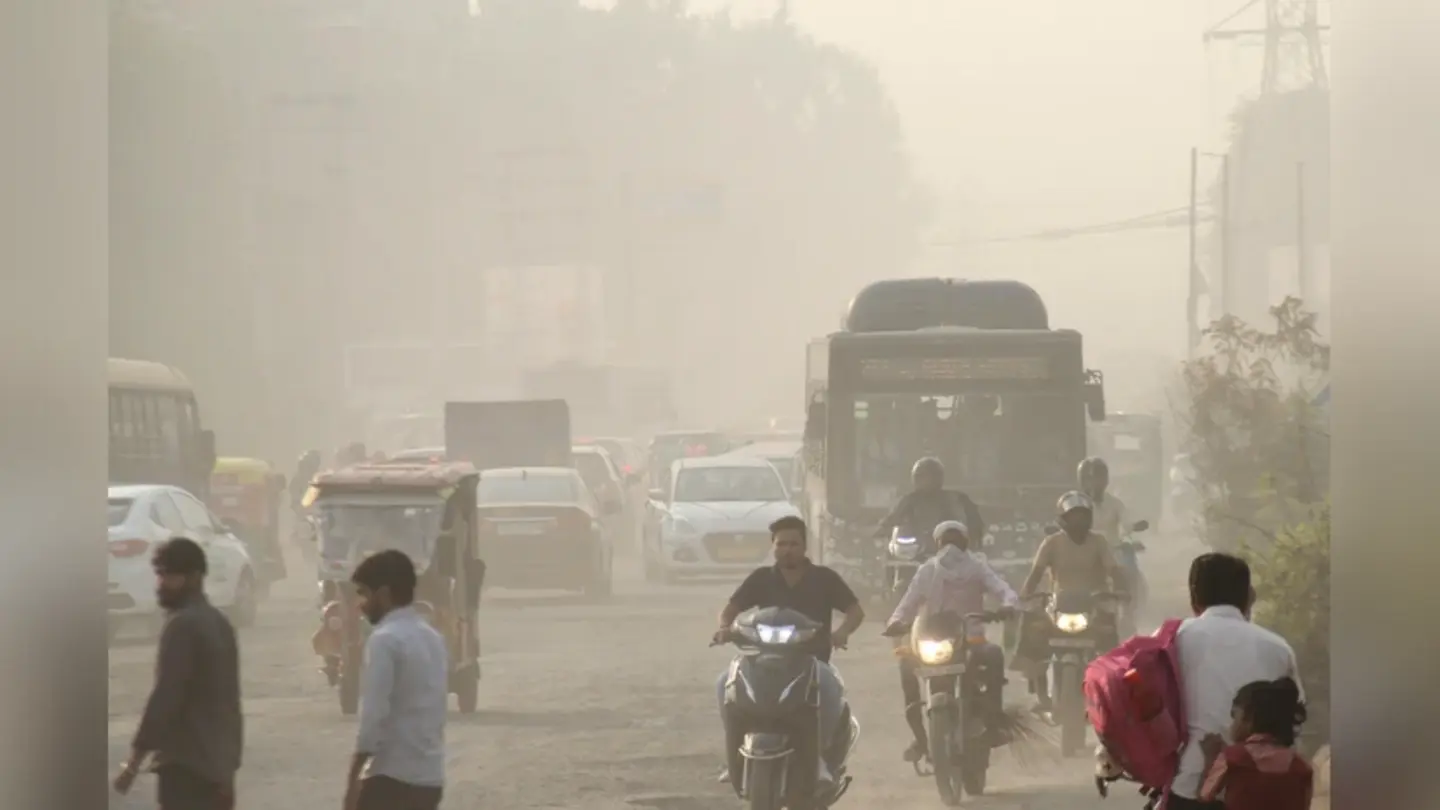
Delhi’s air quality has once again deteriorated to hazardous levels, with 19 monitoring stations recording ‘severe’ air quality index (AQI) readings. This marks a concerning resurgence of air pollution in the capital city, raising alarms among environmentalists and public health officials alike. The deteriorating air quality poses significant health risks, particularly for vulnerable populations such as children, the elderly, and individuals with respiratory conditions.
Factors Contributing to the Deterioration
Several factors have contributed to the sudden decline in air quality. Stubble burning in neighboring states, particularly Haryana and Punjab, remains a major source of pollutants. Agricultural residue is often burned after the harvest season to clear fields quickly and cheaply, releasing vast amounts of smoke and particulate matter into the atmosphere. Unfavorable meteorological conditions, such as low wind speed and temperature inversions, trap pollutants near the ground, exacerbating the problem. Vehicular emissions, industrial activities, and construction dust also contribute significantly to the overall pollution load in Delhi.
Impact on Public Health
The ‘severe’ air quality levels have serious implications for public health. Exposure to high concentrations of particulate matter (PM2.5 and PM10) can lead to a range of respiratory and cardiovascular problems, including asthma, bronchitis, heart attacks, and strokes. Prolonged exposure to polluted air can also increase the risk of developing chronic diseases and reduce life expectancy. Health advisories have been issued, urging residents to minimize outdoor activities, especially during peak pollution hours. The use of N95 masks is recommended for those who must venture outside.
Government Measures and Challenges
The Delhi government has implemented several measures to combat air pollution, including stricter enforcement of emission norms for vehicles, restrictions on construction activities, and the promotion of public transportation. However, these efforts have often proven insufficient to address the complex and multifaceted nature of the problem. Coordination with neighboring states is crucial to effectively tackle stubble burning. The challenge lies in finding sustainable alternatives for farmers and providing them with adequate incentives to adopt eco-friendly practices. The long-term solution requires a multi-pronged approach that addresses all sources of pollution and promotes sustainable development.
Future Outlook
The coming winter months are expected to bring further challenges, as cooler temperatures and stagnant air conditions tend to worsen air quality. Experts predict that Delhi’s air quality is likely to remain in the ‘poor’ to ‘severe’ category for the foreseeable future, unless drastic measures are taken. The need for urgent action and collective responsibility is more pressing than ever to safeguard public health and ensure a breathable environment for all residents of Delhi.
Image Source: Google | Image Credit: Respective Owner