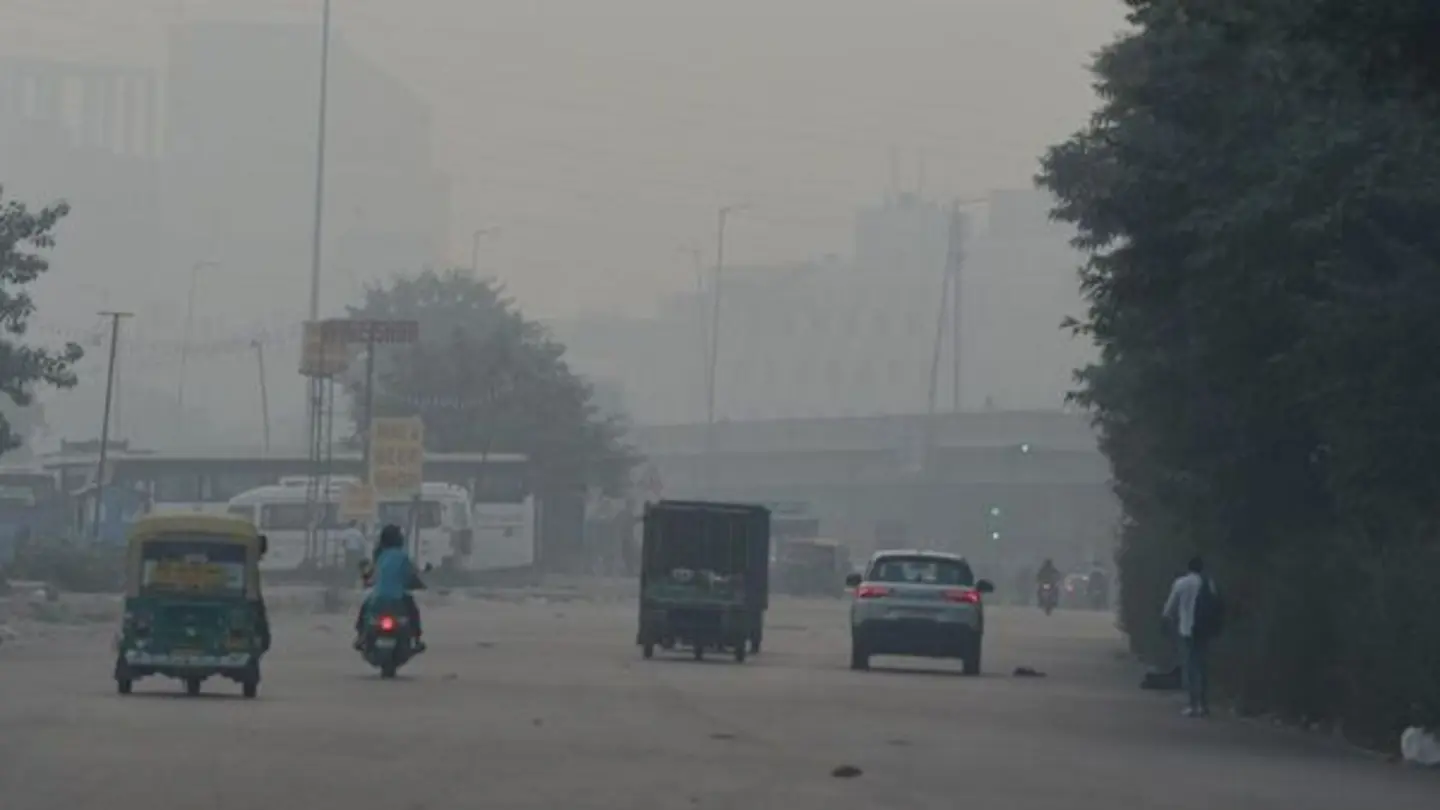
Delhi has successfully tested artificial rain technology at Burari, paving the way for the first cloud seeding operation expected on October 29, according to Chief Minister Arvind Kejriwal. The initiative aims to combat the city’s persistent air pollution problem, especially as winter approaches and air quality deteriorates. The Delhi government has been exploring various measures to mitigate pollution, with artificial rain being one of the more innovative approaches.
Project Implementation
The test involved spraying chemicals into the atmosphere to stimulate cloud formation and precipitation. Officials closely monitored the process to assess its effectiveness and environmental impact. Initial results indicate that the test was successful in inducing rainfall in the designated area. The cloud seeding operation planned for October 29 will be a larger-scale effort, covering more regions within Delhi and potentially neighboring areas if weather conditions permit.
The technology deployed in this project is not new, but its application in Delhi represents a significant step towards addressing the city’s unique pollution challenges. Cloud seeding has been used in other parts of the world to increase rainfall in drought-prone regions and to manage weather patterns. However, its use in an urban environment with high levels of air pollution presents both opportunities and challenges.
Environmental Considerations
One of the primary concerns associated with artificial rain is the potential impact on the environment. The chemicals used in cloud seeding, such as silver iodide, are generally considered safe in small quantities but can have adverse effects if used excessively or improperly. The Delhi government has assured that all necessary precautions will be taken to minimize any potential environmental risks. Experts will continuously monitor the air and water quality to detect any changes and ensure that the operation adheres to strict environmental standards.
The success of the artificial rain project could have far-reaching implications for Delhi and other Indian cities grappling with severe air pollution. If proven effective and sustainable, this technology could become an integral part of a comprehensive pollution control strategy. The government is also focusing on other measures, such as promoting electric vehicles, improving public transportation, and enforcing stricter emission standards for industries.
Looking Ahead
The upcoming cloud seeding operation will be a crucial test of the technology’s viability and scalability. The Delhi government is working closely with meteorological experts and environmental scientists to ensure that the operation is conducted safely and efficiently. The results of this initiative will be closely watched by policymakers and environmental advocates across the country.
Beyond the immediate benefits of reducing air pollution, the project also highlights the importance of investing in innovative solutions to address environmental challenges. As cities become more densely populated and industrialized, it is essential to explore new technologies and approaches to mitigate the negative impacts on the environment and public health. The Delhi artificial rain project is a testament to the government’s commitment to finding sustainable solutions for a cleaner and healthier future.
Image Source: Google | Image Credit: Respective Owner