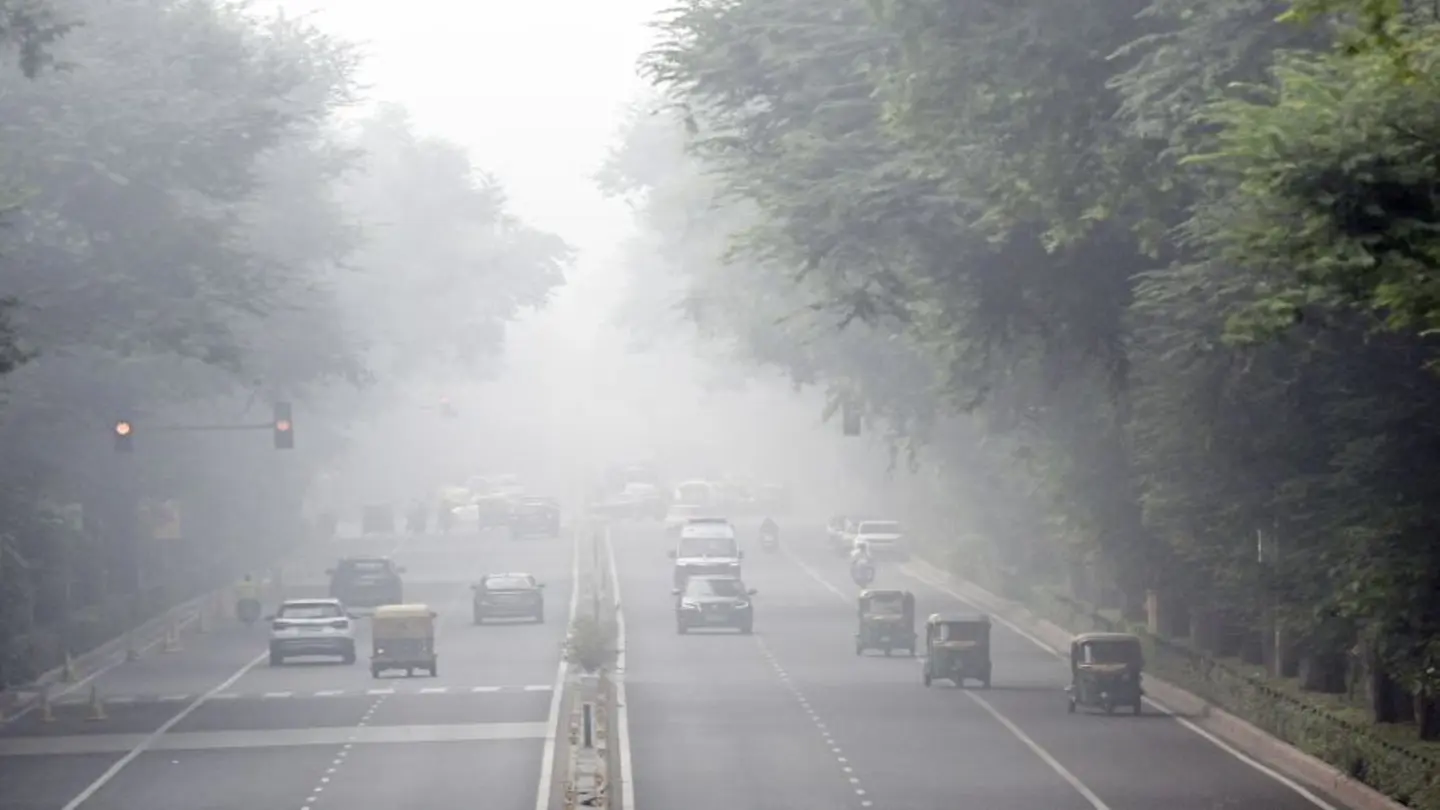
Delhi residents woke up to a thick blanket of smog on Wednesday, as air quality deteriorated significantly, plunging into the ‘Very Poor’ category. The Air Quality Index (AQI) crossed the 300 mark, triggering health alerts and prompting concerns about respiratory illnesses. This deterioration comes amidst changing weather patterns and a rise in pollutants, primarily due to vehicle emissions, industrial activity, and construction dust.
According to data from the Central Pollution Control Board (CPCB), several areas in Delhi recorded AQI levels between 301 and 400, categorized as ‘Very Poor’. These areas include Bawana, Narela, and Wazirpur. The overall AQI for Delhi stood at 312, a substantial increase from the previous day’s reading. Authorities are attributing the rapid decline to calmer wind speeds, which have hindered the dispersion of pollutants. The lack of significant rainfall in recent weeks has also contributed to the build-up of particulate matter in the air.
The ‘Very Poor’ air quality poses a serious health risk to all, especially children, the elderly, and individuals with pre-existing respiratory or cardiovascular conditions. Doctors are reporting a surge in patients complaining of cough, shortness of breath, and eye irritation. The advisory issued by health officials recommends minimizing outdoor activities, especially during peak pollution hours, and using N95 masks if venturing outside is unavoidable. Individuals with respiratory ailments have been advised to stay indoors and keep their medications readily available.
Government Measures and Restrictions
In response to the worsening air quality, the Delhi government has implemented several measures to curb pollution. These include a ban on construction activities that generate dust, increased enforcement against vehicles violating emission standards, and a crackdown on industrial units operating without proper pollution control measures. The government is also considering the implementation of the odd-even vehicle rationing scheme, which restricts vehicles with odd and even registration numbers from plying on the roads on alternate days, although no official announcement has been made yet.
The Environment Department has issued directions to various agencies, including the Municipal Corporation of Delhi (MCD) and the Public Works Department (PWD), to ensure strict compliance with pollution control norms. Water sprinkling on roads to suppress dust is being carried out extensively, and efforts are underway to remove garbage and waste that contribute to air pollution. However, experts point out that a sustained and coordinated effort is needed to tackle the problem effectively.
Neighboring states, particularly Haryana and Uttar Pradesh, have also been urged to take steps to control stubble burning, a major source of pollution in the Delhi-NCR region. While some progress has been made in reducing stubble burning incidents, it remains a significant contributor to the overall pollution levels. The situation is expected to remain critical for the next few days, with forecasts predicting little improvement in wind speeds or rainfall. Residents are bracing for a prolonged period of poor air quality and are taking precautionary measures to protect their health.
The long-term solution to Delhi’s air pollution crisis requires a multi-pronged approach, including investments in public transportation, promotion of cleaner fuels, stricter emission standards for industries and vehicles, and a comprehensive plan to address the issue of stubble burning. Without such measures, Delhi is likely to continue to grapple with hazardous air quality levels, impacting the health and well-being of its millions of residents.
Image Source: Google | Image Credit: Respective Owner