Delhi schools have reverted to hybrid mode for students up to Class 5 as Stage III of the Graded Response Action Plan (GRAP) comes into effect. This decision aims to protect young children from the deteriorating air quality in the National Capital Region (NCR). The Commission for Air Quality Management (CAQM) implemented GRAP Stage III, which includes measures such as a ban on non-essential construction activities and stricter enforcement of pollution control norms.
The hybrid mode allows students to attend classes either physically or online, giving parents the flexibility to choose the option that best suits their child’s health and safety. Many schools had already anticipated this move and had communicated the possibility of switching to online classes to parents. The Delhi government has also advised schools to suspend outdoor activities and sports to minimize exposure to polluted air.
Reasons for Implementing GRAP-3
The decision to implement GRAP Stage III was prompted by a significant decline in air quality, with the Air Quality Index (AQI) consistently falling into the ‘severe’ category. The primary pollutants of concern are PM2.5 and PM10, which can cause respiratory problems and other health issues, particularly in vulnerable populations like children and the elderly. The GRAP is a set of emergency measures designed to combat air pollution based on pre-defined AQI thresholds.
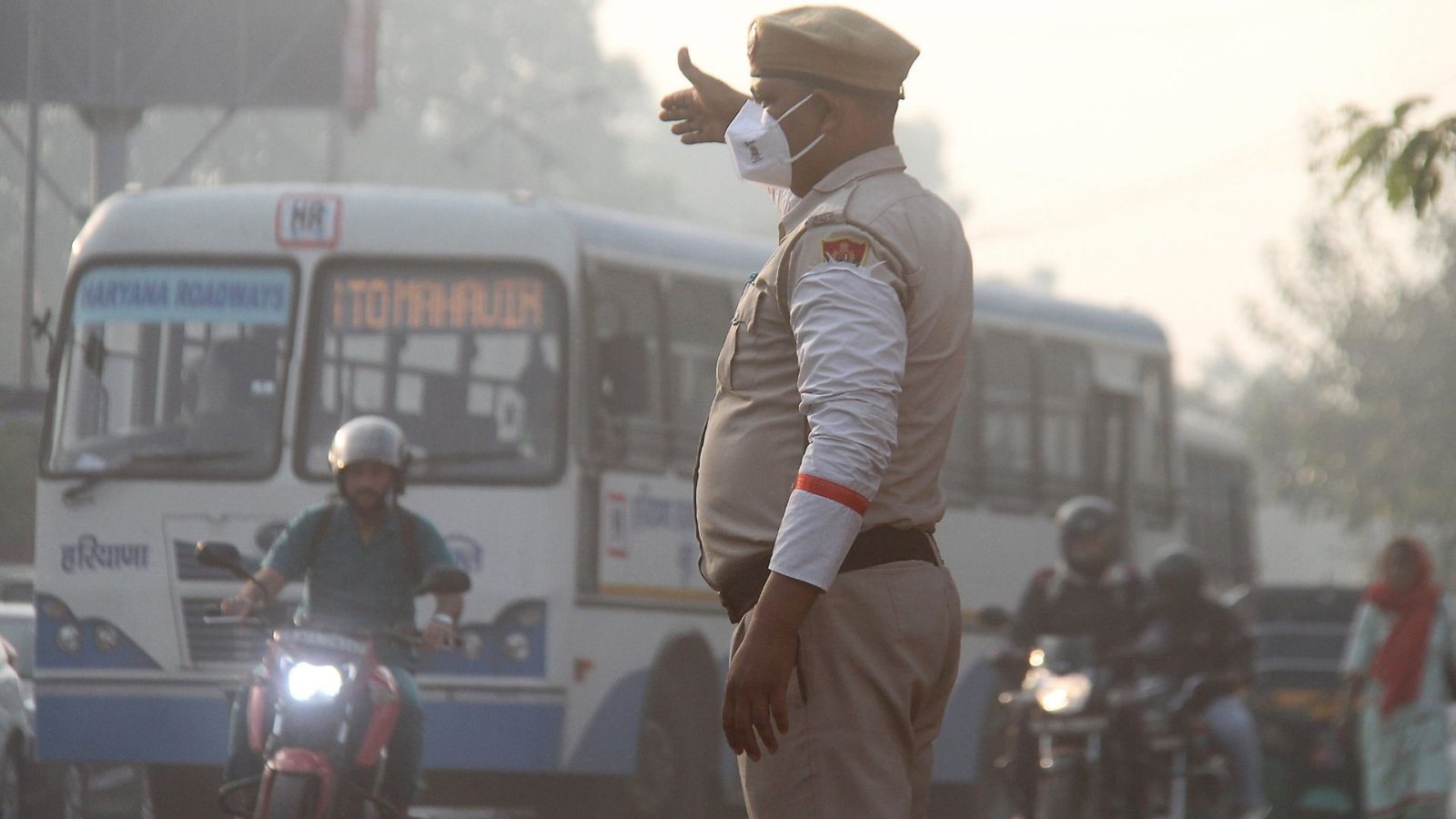
Under GRAP Stage III, several restrictions are imposed to curb pollution sources. Besides construction bans, industries using polluting fuels are also subject to tighter regulations. Increased vigilance and enforcement are carried out to ensure compliance with pollution control measures. The transport department has been directed to intensify checks on polluting vehicles and take action against violators.
Impact on School Operations
The shift to hybrid mode poses challenges for schools, including managing both online and offline classes simultaneously, ensuring equal access to education for all students, and maintaining the quality of teaching. However, schools are adapting to these challenges by utilizing technology, providing online resources, and conducting virtual activities. Teachers are also focusing on engaging students in interactive online sessions to compensate for the lack of physical interaction.
Parents have largely welcomed the decision to switch to hybrid mode, expressing concerns about the health of their children. While some parents appreciate the flexibility offered by online classes, others prefer physical classes as they believe it provides a better learning environment. The decision ultimately rests with the parents, who can assess the risks and benefits and make an informed choice for their child.
The Delhi government and environmental agencies continue to monitor the air quality and assess the need for further measures. The effectiveness of GRAP Stage III will determine whether additional restrictions are necessary to combat air pollution and protect public health. The situation is dynamic, and the measures may be adjusted based on changes in air quality and weather conditions.
The CAQM has urged citizens to cooperate with the authorities and follow the guidelines issued under GRAP. Reducing personal vehicle usage, avoiding burning of waste, and adopting cleaner fuels are some of the steps individuals can take to contribute to improving air quality. Collective efforts are crucial to mitigate the harmful effects of air pollution and create a healthier environment for all.
Image Source: Google | Image Credit: Respective Owner