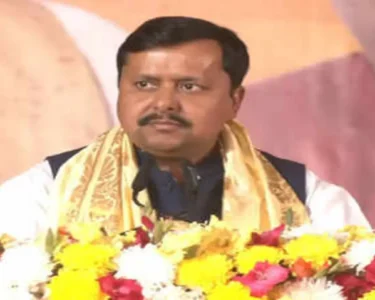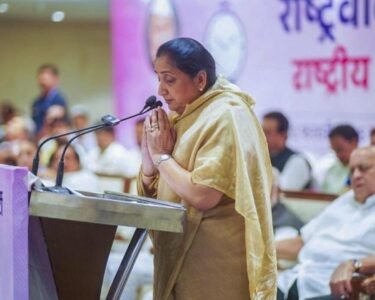
New Delhi – Prominent Indian activists Umar Khalid and Sharjeel Imam continue to be held in custody in connection with the 2020 Delhi riots, sparking criticism from human rights organizations and raising questions about the use of sedition laws and the suppression of dissent. The pair, both students at Jawaharlal Nehru University (JNU), are accused of inciting violence through their speeches and involvement in protests against the Citizenship Amendment Act (CAA) and the proposed National Register of Citizens (NRC).
Umar Khalid, a vocal critic of the government’s policies, was arrested in September 2020 and charged under the stringent Unlawful Activities Prevention Act (UAPA), alongside several others. Authorities allege he played a key role in orchestrating the riots, a claim he vehemently denies. His supporters argue that the charges are politically motivated, designed to silence his opposition to the ruling Bharatiya Janata Party (BJP).
Sharjeel Imam, another student activist, faces even more severe charges, including sedition, for speeches he made calling for the blockade of roads leading to Parliament. He was arrested in January 2020 and has been in custody ever since. Imam’s case has drawn particular attention due to the broad interpretation of sedition laws used against him, with critics arguing it stifles legitimate protest.
Legal Battles and Delays
Both Khalid and Imam have faced numerous legal hurdles in their attempts to secure bail. Courts have repeatedly denied their requests, citing the gravity of the charges and the potential for them to influence witnesses. The legal proceedings have been protracted, with investigations dragging on for years and the presentation of evidence facing delays. This lengthy detention without conviction has fueled concerns about the fairness of the judicial process.
The prosecution’s case relies heavily on circumstantial evidence and alleged links between the activists and individuals accused of direct involvement in the riots. Defense lawyers argue that the evidence is flimsy and that the charges are based on unsubstantiated claims. They maintain that Khalid and Imam were exercising their constitutional right to freedom of speech and expression.
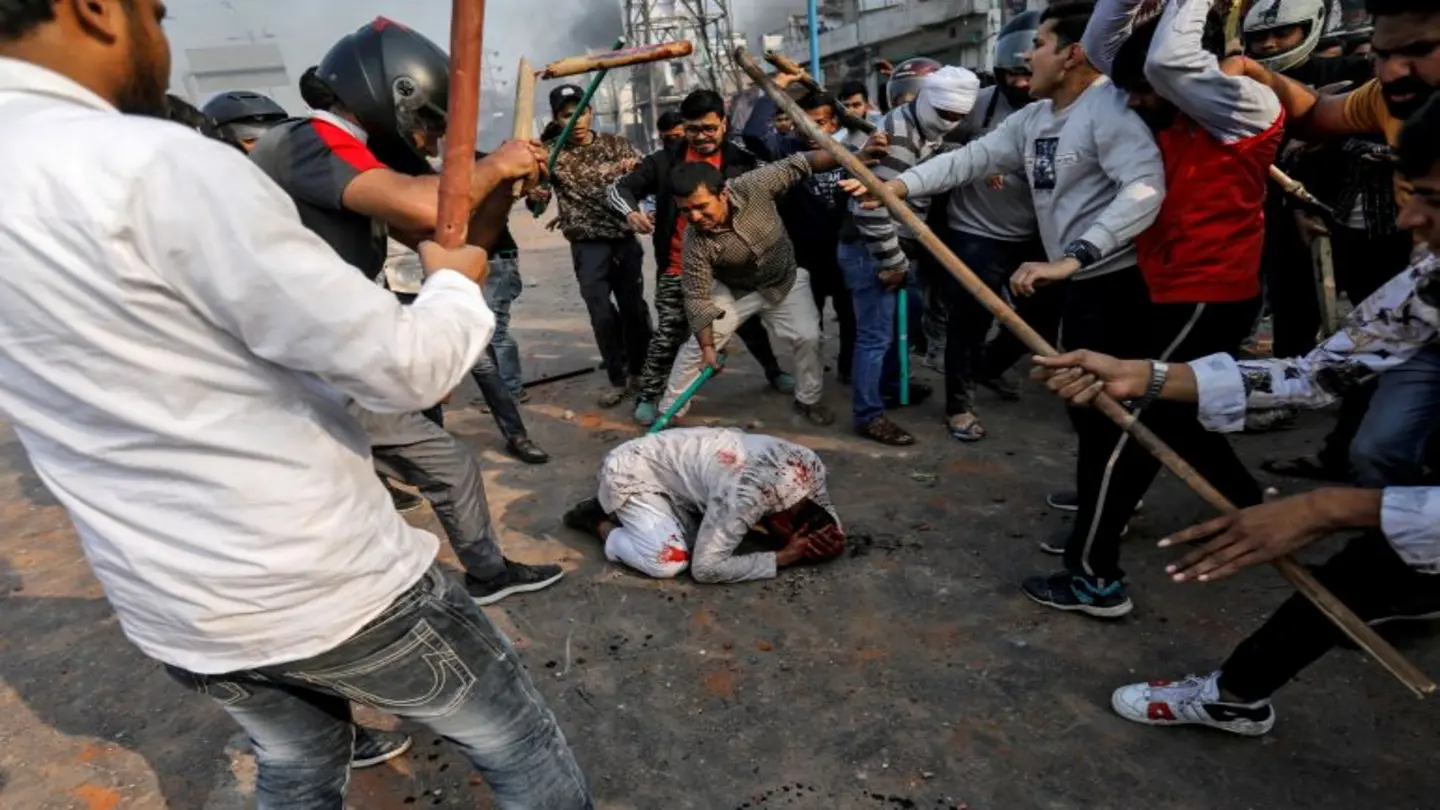
The Delhi riots, which erupted in February 2020, resulted in the deaths of over 50 people, mostly Muslims, and widespread destruction of property. The violence was triggered by protests against the CAA and NRC, but quickly spiraled into communal clashes. The riots exposed deep-seated tensions within Indian society and raised concerns about the government’s handling of the situation.
International human rights groups, including Amnesty International and Human Rights Watch, have called for the immediate release of Khalid and Imam, citing concerns about their well-being and the erosion of civil liberties in India. They argue that the continued detention of the activists sends a chilling message to other dissenters and undermines the principles of democracy. The case remains a focal point in the ongoing debate about freedom of expression and the rule of law in India, with many fearing a further crackdown on peaceful protests and critical voices.
Image Source: Google | Image Credit: Respective Owner